A polished pair of Oxfords can finish a suit perfectly, but wet sidewalks can quickly expose the weaknesses of traditional dress footwear. I have learned that choosing Oxford dress shoes for rainy weather is less about finding the most expensive leather and more about understanding waterproofing, sole traction, construction, and proper care.
For professionals commuting in places such as New York, Boston, Seattle, Chicago, or Washington, D.C., occasional rain is part of everyday life. The goal is not simply to keep water out. A good rain-ready Oxford should remain office-appropriate, comfortable during a commute, and stable on slippery sidewalks and lobby floors.
What Features Make Oxford Dress Shoes Better for Rain?
The best wet-weather dress shoes combine a protected upper, moisture-resistant construction, breathable lining, and a rubber outsole.
Which Leather Works Best in Wet Weather?
Traditional calfskin is naturally porous, so prolonged exposure can allow moisture into the leather. Repeated saturation, road salt, and improper drying may eventually cause spotting, stiffness, discoloration, or cracking.
For frequent rain, I prefer waterproof-treated full-grain leather or leather specifically manufactured for water resistance. Certain treated nubuck options can also work, although smooth leather usually looks more formal and is easier to wipe clean after an office commute.
A protective finish does not make leather indestructible. It simply gives the shoe more time to resist moisture before absorption becomes a problem.
Do Waterproof Membranes Keep Dress Shoes Dry?
A breathable waterproof membrane can provide an additional barrier underneath the leather upper. GORE-TEX is one well-known example used in footwear.
These membranes are engineered to resist liquid water while allowing water vapor generated by perspiration to escape. That combination can help keep feet dry without creating the clammy feeling associated with completely non-breathable footwear.
Waterproof membranes are especially useful for professionals who spend significant time walking outdoors rather than simply crossing a parking lot.
Some waterproof dress shoes also use proprietary systems instead of GORE-TEX. Solereview, for example, notes waterproof technologies from brands such as ECCO and Johnston & Murphy when evaluating wet-weather office footwear.
Is Seam-Sealed or Storm-Welt Construction Better for Rain?
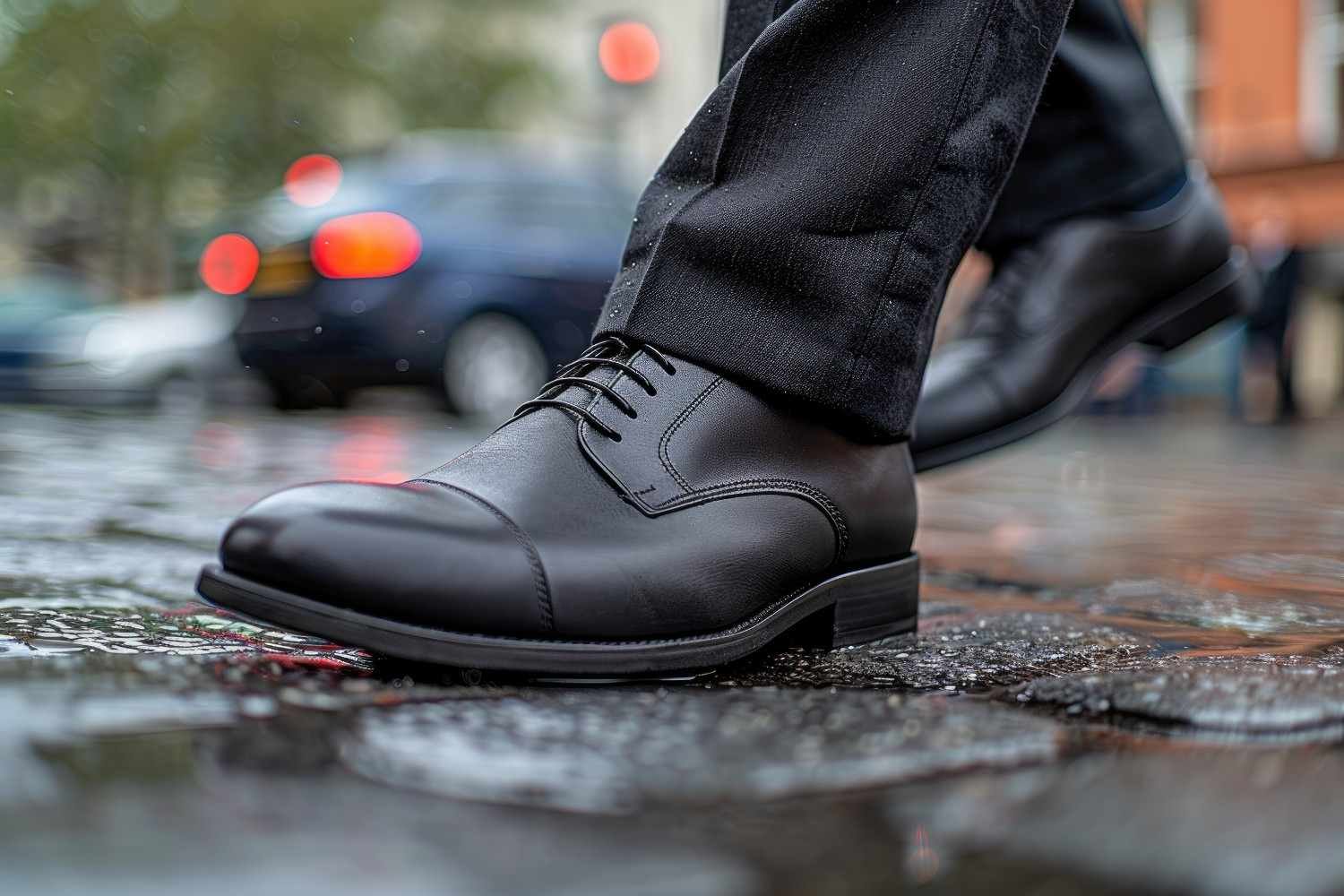
Construction matters because every seam can potentially become an entry point for moisture.
Seam-sealed footwear uses waterproofing techniques around stitched areas to reduce water penetration. Men’s Health highlights seam sealing and waterproof materials as key elements in Rockport’s wet-weather dress-shoe construction.
A storm welt can also improve resistance by creating a raised junction around the upper and sole. However, I would not assume that “storm welt” automatically means waterproof. A welted shoe still needs the right upper, outsole, sealing, and internal protection to perform reliably in sustained rain. Solereview similarly cautions that a storm welt alone does not make footwear waterproof.
Standard Blake-stitched shoes should not automatically be dismissed either. Their wet-weather performance depends on how the sole, stitching, adhesives, and lining are engineered.
Are Rubber Sole Oxfords Better Than Leather Soles in Rain?
For everyday rainy commuting, I would choose rubber.
Traditional stacked leather soles look elegant, but smooth leather can absorb moisture and provide limited grip on wet pavement. Rubber creates a more practical barrier between the foot and the ground and generally offers better traction. Cheaney also recommends rubber-soled footwear when water resistance is an important consideration.
Vulcanized rubber and thermoplastic rubber or TPU-style materials can work particularly well. Some rugged dress shoes use commando-style lug soles for deeper traction.
However, heavy lugs can reduce the formality of an Oxford. For suits and conservative offices, I prefer a slim rubber outsole with discreet grooves or studs. It provides wet-weather grip without making a traditional dress shoe look like a hiking boot.
Which Oxford Style Is Most Practical for a Rainy Commute?
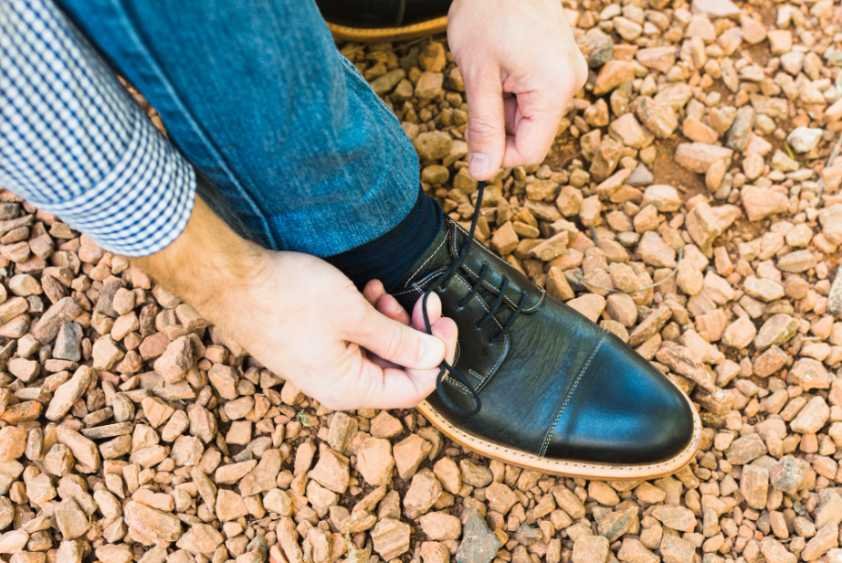
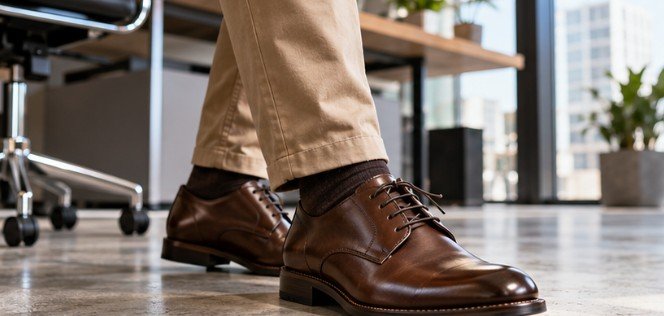
Plain-toe Oxfords have an advantage because their uncomplicated uppers are easy to wipe clean. They also provide fewer decorative areas where road grime can collect.
Cap-toe Oxfords offer slightly more detailing while remaining appropriate for business suits, client meetings, and formal offices. When combined with treated leather and a low-profile rubber outsole, a cap toe can be one of the most versatile wet-weather options.
Wingtips and brogues can also work, but decorative perforations and additional seams require more cleaning after exposure to dirty street water. If I expect frequent rain, I generally favor a smoother upper.
Waterproof vs. Water-Resistant Dress Shoes: Which Do I Need?

Water-resistant footwear works well for occasional drizzle, splashes, and short walks between a car, train station, or office.
Waterproof footwear makes more sense when a commute involves extended outdoor walking or frequent heavy rain. Waterproof construction may combine treated leather, seam sealing, a membrane, and a synthetic outsole.
Even then, water can enter through the shoe opening, and no dress shoe should be treated like a rain boot. I also look for comfortable work shoes with enough cushioning, support, and flexibility to handle both the commute and a full day at the office.
For Americans who regularly walk through wet downtown areas, investing in purpose-built oxford dress shoes for rainy weather is usually more practical than repeatedly exposing premium leather-soled footwear to storms.
How Should I Protect Leather Oxfords Before Rain?
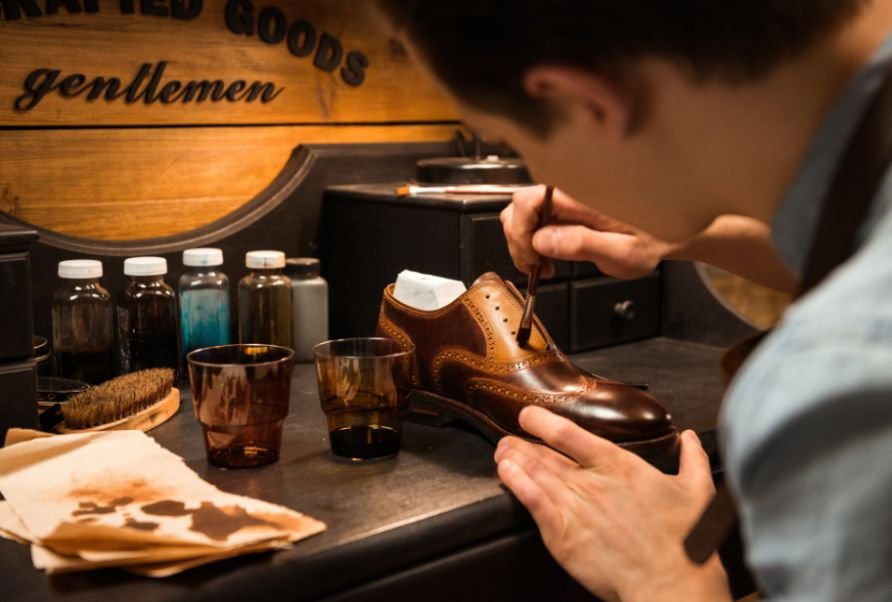
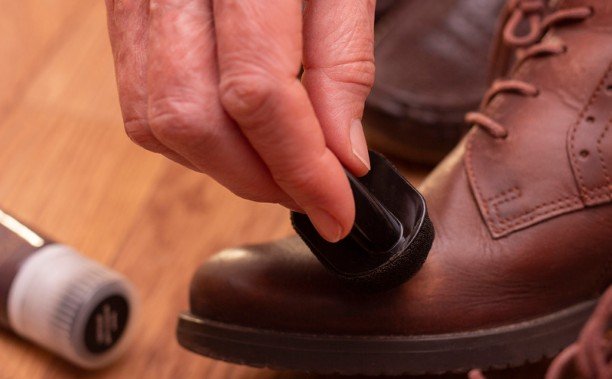
A suitable water-repellent treatment can strengthen the surface barrier on leather that is not inherently waterproof. Depending on the material and manufacturer’s instructions, this may include a protective spray, cream, wax polish, or other water-resistant treatment.
Heavy products such as dubbin can provide substantial protection, but they may alter the color, softness, or shine of fine dress leather. I would always check the shoe manufacturer’s care instructions and test any unfamiliar treatment on an inconspicuous area first.
Some water-repellent sprays also use fluorinated chemistry. Because leather finishes and treatment formulations vary, choosing a product specifically approved for the shoe material is safer than treating every leather shoe the same way.
What Should I Do When Oxford Shoes Get Wet?
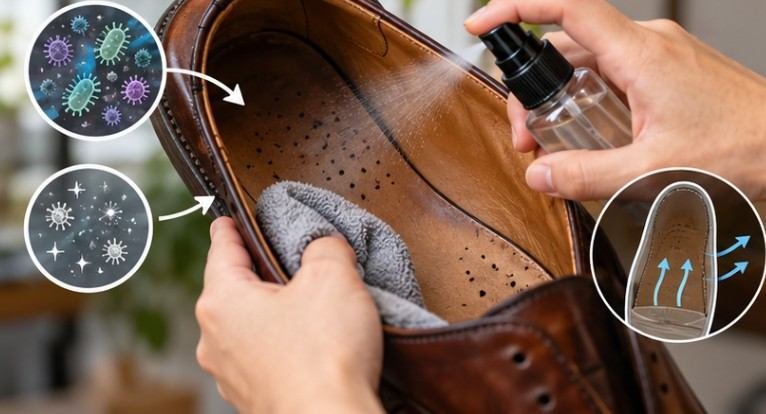
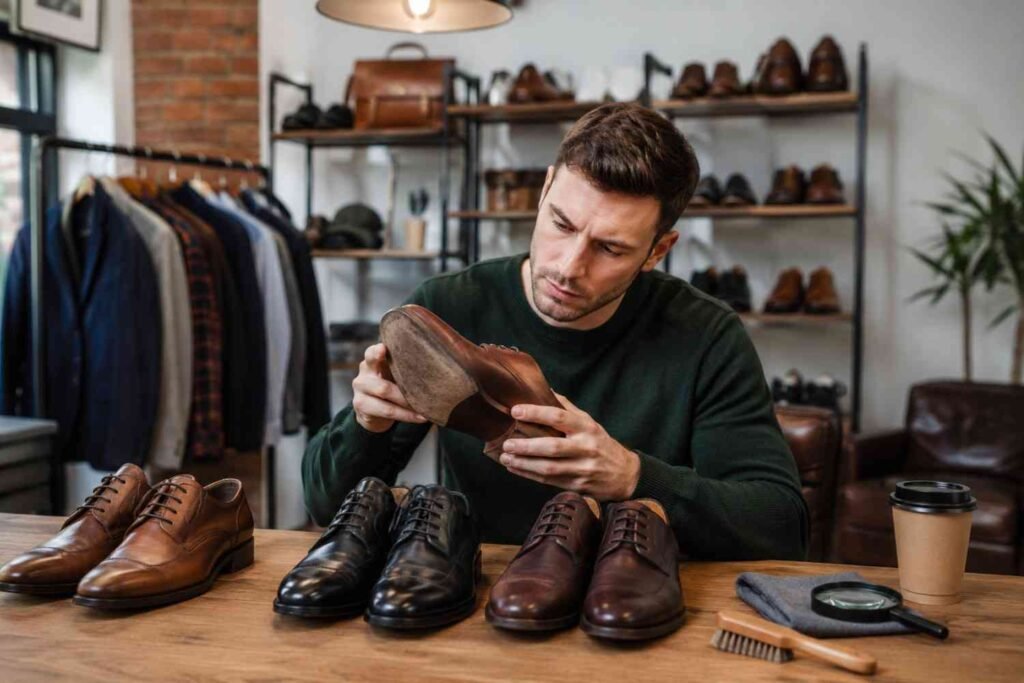
When I come indoors, I wipe away water, mud, road grime, and salt residue as soon as practical. Allowing contamination to dry into the leather makes cleanup harder.
I then insert cedar shoe trees to help maintain shape and absorb internal moisture. Plain absorbent paper can work temporarily if shoe trees are unavailable.
I never place wet leather Oxfords beside a radiator, heated vent, fireplace, or use a hair dryer. Direct heat can remove moisture too rapidly and contribute to hardened, brittle leather. Cheaney recommends natural drying and wooden shoe trees rather than direct heat and advises giving saturated shoes substantial drying time.
Once the shoes are completely dry, I inspect the leather and condition or polish it when necessary.
When Should I Wear Waterproof Boots Instead?
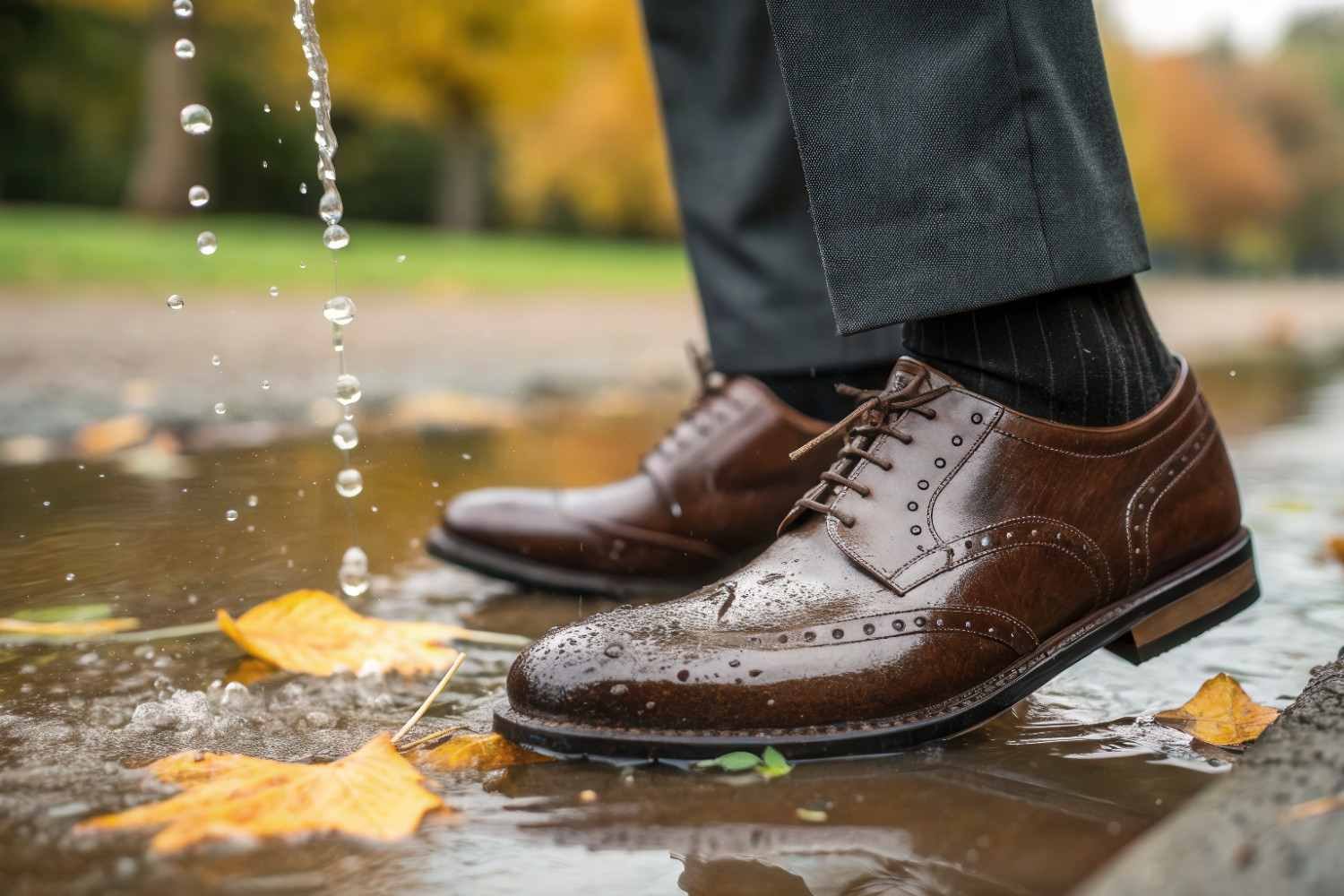
Even excellent waterproof office shoes have limits.
During severe thunderstorms, flooding, deep puddles, heavy snow, or slushy winter conditions, I would commute in waterproof boots and change into Oxfords after reaching the office. That protects expensive footwear and usually provides better traction and ankle protection.
This approach is particularly sensible for anyone who owns premium calfskin or leather-soled dress shoes that were never designed for regular exposure to severe weather. The same principle applies when choosing wingtip shoes for men with high arches: fit and support matter, but the shoe still needs appropriate construction and traction for the conditions in which it will be worn.
Frequently Asked Questions (FAQs)
1. Can regular leather Oxford shoes be worn in light rain?
Yes. Quality leather can handle occasional moisture when properly protected, dried, and maintained. Problems are more likely after repeated saturation or improper drying than after brief exposure to drizzle. Cheaney similarly notes that rain does not automatically ruin well-maintained leather footwear.
2. Are leather or rubber soles better on wet sidewalks?
Rubber is generally the more practical option because it resists water absorption and provides better traction on slick pavement, office entrances, and transit platforms.
3. Does GORE-TEX make Oxford shoes completely waterproof?
A GORE-TEX membrane can provide highly effective waterproofing and breathability, but water may still enter through the shoe opening. The performance of the complete shoe also depends on its upper, seams, outsole, and construction.
4. Are oxford dress shoes for rainy weather appropriate with a business suit?
Yes. Look for smooth black or dark brown leather, a plain-toe or cap-toe design, and a slim rubber outsole. These features preserve a professional silhouette while adding practical wet-weather protection.
Final Take
When I choose office footwear for a rainy forecast, I look beyond the word “waterproof” on the box. The most useful pair combines treated full-grain leather, effective seam protection, a breathable membrane when necessary, and a rubber outsole with dependable wet-surface traction.
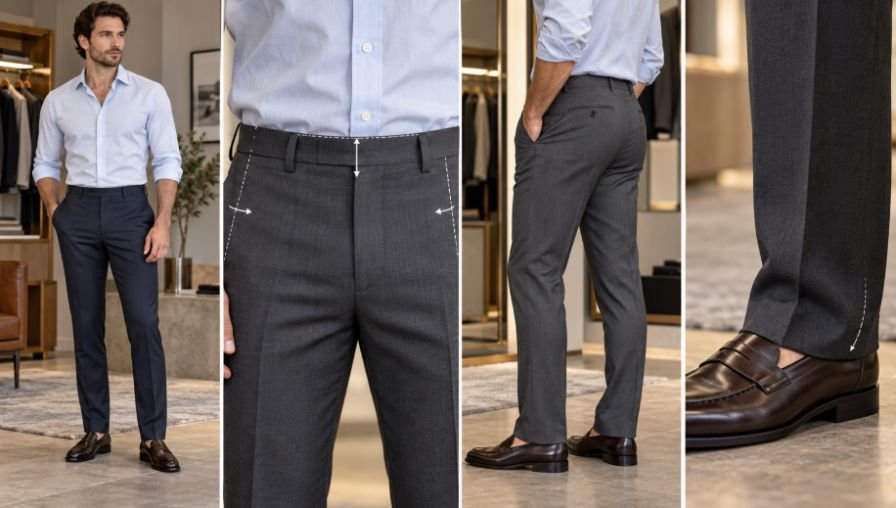
I also consider how formal the shoe needs to look. A thick commando sole may be ideal for rough conditions, while a slim rubber sole makes more sense with tailored trousers or a suit.
Most importantly, wet-weather performance does not end when I walk indoors. Immediate cleaning, natural drying, cedar shoe trees, proper conditioning, and rotating pairs can significantly improve how dress shoes age. With the right construction and care routine, I can stay polished at work without treating every rainy commute as a threat to my best shoes.