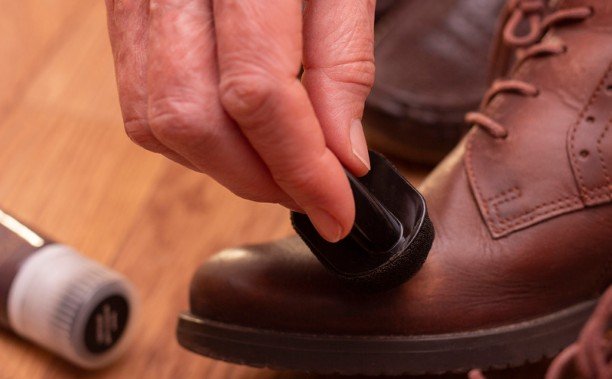
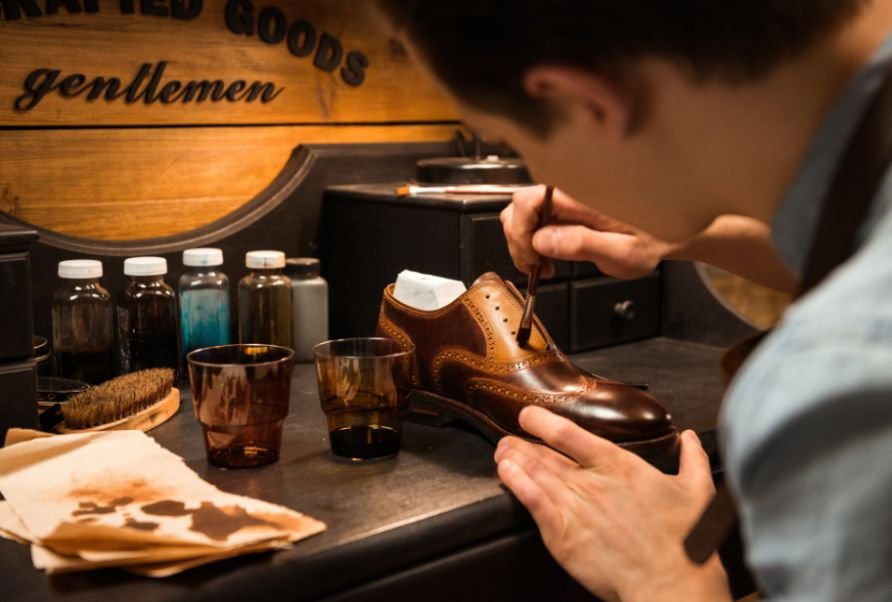
A cloudy patch on an expensive shoe can make me reach for polish immediately. With shell cordovan, I would pause before opening the jar. Learning how to care for shell cordovan dress shoes starts with understanding that more treatment can create more problems.
This distinctive material often responds beautifully to brushing, gentle cleaning, and patience. The goal is to preserve its finish while giving it only the additional care it needs.
Why Does Shell Cordovan Need Different Care?
Shell cordovan comes from a dense layer beneath the outer hide of a horse’s hindquarters. Its tanning and finishing process incorporates substantial oils and waxes, which help produce its characteristic luster.
It generally develops broad rolling folds rather than the sharper creases associated with calfskin. Those rolls are normal signs of wear, not something you need to eliminate.
Because the material already contains conditioning ingredients, repeatedly adding heavy creams or oils can leave a cloudy, sticky surface. Start with minimal maintenance and follow your shoe manufacturer’s instructions.
What Should Your Cordovan Care Kit Include?
Keep a clean horsehair polishing brush, a separate dirt brush, soft cotton cloths, properly fitting wooden shoe trees, and a cordovan-compatible cream.
Choose neutral cream when preserving the existing color is your priority. A matching pigmented cream can help disguise minor color loss, but test it somewhere inconspicuous first.
A shoehorn protects the heel during dressing. A deer polishing bone is optional equipment for experienced owners, rather than an essential beginner purchase.
How Do You Clean and Polish Cordovan Safely?
Remove Dirt Before Adding Any Product
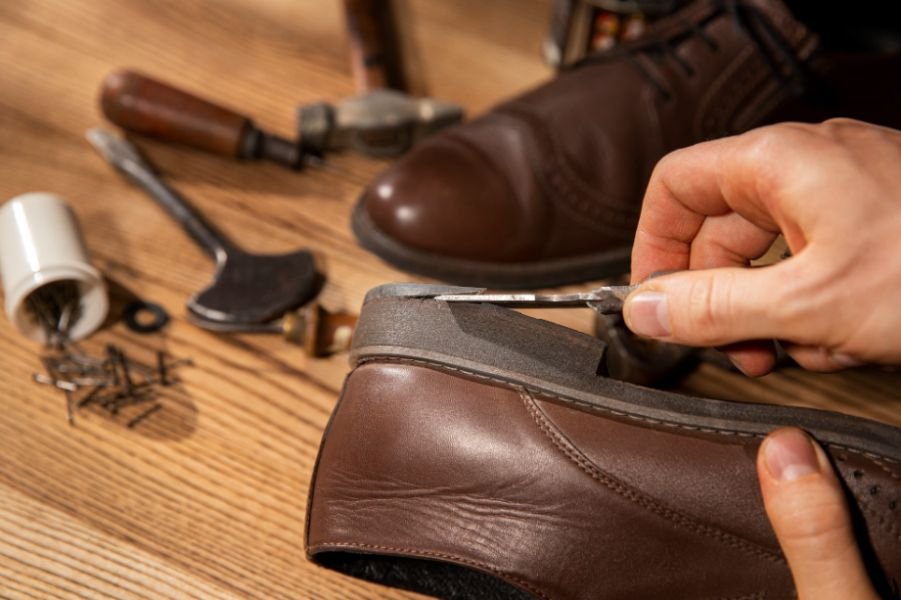
Remove the laces when carrying out a thorough cleaning, then insert shoe trees that support the shoes without stretching them.
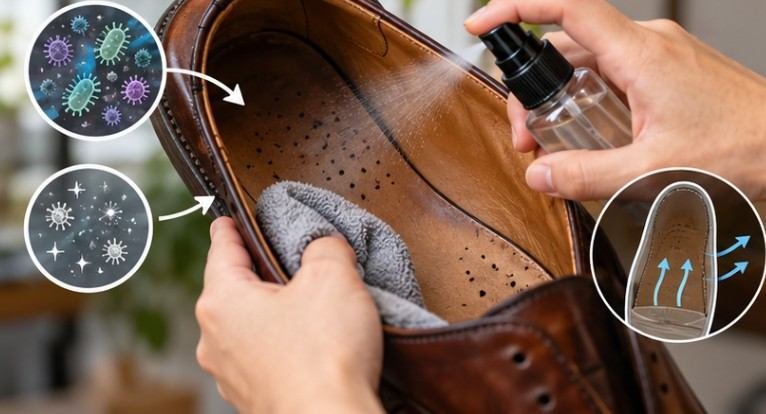
Brush away loose grit, including dirt around the welt, eyelets, and broguing. Wipe remaining surface residue with a soft, barely damp cloth. Avoid soaking the upper or scrubbing aggressively.
For stubborn stains, check the maker’s guidance before introducing cleaners. Routine maintenance rarely requires soap, strong solvents, or leather-stripping products.
Allow the Shoes to Dry Naturally
Let the shoes dry at room temperature before polishing. Keep them away from radiators, hair dryers, heating vents, and strong sunlight.
A surface that looks dry may still hold moisture around folds and seams. Give damp footwear enough time to dry throughout rather than rushing to seal it beneath cream or wax.
Brush Before Deciding Whether Cream Is Needed
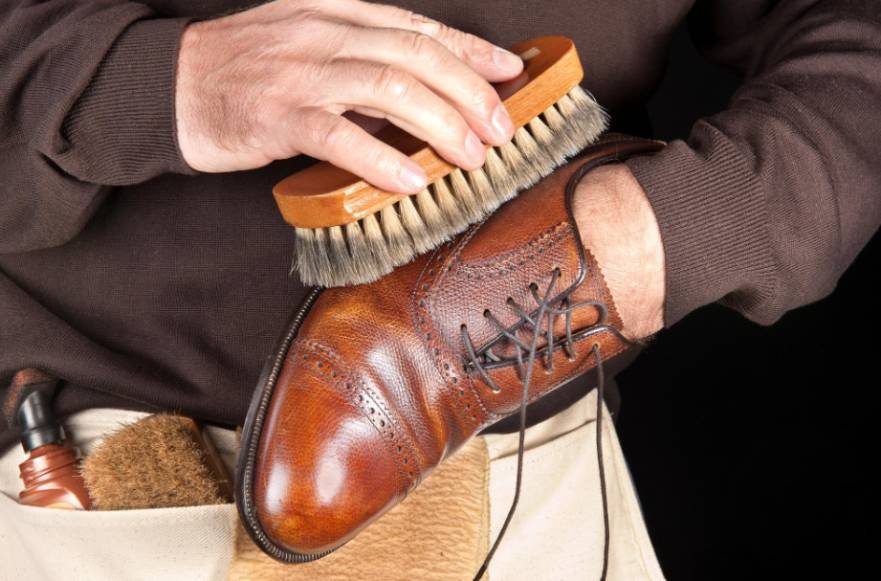
Work across the upper with a clean horsehair brush using controlled, repeated strokes. Several minutes of brushing can restore considerable shine by redistributing surface oils and waxes.
Finish with a soft cloth and inspect the result. If the leather looks clear and lustrous, stop there. Avoid forceful buffing that generates excessive friction and heat.
Apply a Thin Layer of Compatible Cream
When brushing no longer restores the finish, apply a very light haze of cordovan cream. Spread it evenly instead of leaving thick deposits inside the rolls.
Allow the product to rest according to its instructions, then brush and buff. Use another small application only if the condition warrants it.
If the leather’s color remains faded or uneven after appropriate cleaning and polishing, additional cream may not be enough to restore its original appearance. Learn how to restore faded color on leather dress shoes to understand the available restoration approaches and why choosing products compatible with the leather’s finish matters.
How Often Should You Condition Shell Cordovan?
There is no schedule that suits every pair. Wear frequency, weather exposure, finish, and storage conditions all affect maintenance needs.
An interval of roughly 10–15 wears can serve as a reference, but it is not a requirement to apply cream automatically.
Rather than following a rigid polishing schedule, assess the shoes’ condition and how frequently they are worn before applying additional products. For broader guidance on maintaining leather footwear, explore how often you should polish leather shoes to understand how polishing frequency can vary with wear and leather care needs.
Understanding how to care for shell cordovan dress shoes means evaluating the surface first. If brushing restores its appearance, postpone additional product. Dullness alone does not necessarily mean the leather needs conditioning.
What Should You Do About Rain and Salt?
Blot surface moisture after rain, remove road residue with a damp cloth, and allow the shoes to dry naturally with suitable shoe trees.
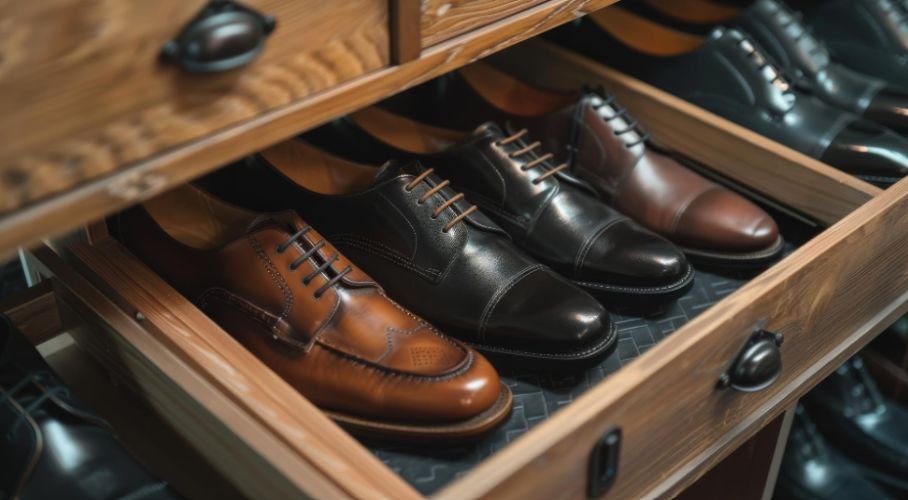
Once the shoes have been cleaned and dried, storing them correctly helps protect the leather between wears. These practical tips on how to store leather dress shoes between wears cover proper ventilation, shoe-tree use, and ways to avoid moisture-related damage.
Once dry, brush thoroughly. Water spots may soften through ordinary wear and repeated gentle care. Avoid immediately attacking them with cleaners.
For persistent spotting, some care methods involve evenly dampening the upper before drying and brushing. Ask the maker before attempting this on unfamiliar finishes.
Wipe winter salt away promptly. Persistent salt marks deserve specialist attention rather than repeated experiments with household mixtures.
How Do You Handle Bloom, Scuffs, and Extra Shine?
A whitish, waxy film can be bloom: oils or waxes migrating to the surface. Gentle wiping and brushing usually remove it. Fuzzy growth, musty odor, or recurring patches need separate investigation.
Start light-scuff treatment with brushing. A smooth deer bone can help with superficial unevenness, but sharp edges or excessive pressure can damage the finish. Leave deep cuts to a specialist.
While minor surface scuffs may respond to gentle brushing, deeper damage requires a more careful assessment to avoid worsening the leather. If the material has developed visible cracks, explore whether cracked leather dress shoes can be repaired and which restoration options may be suitable.
For extra shine, use compatible wax sparingly if the manufacturer permits it. Keep heavy wax buildup away from flexible areas, where it can crack and obscure the leather’s natural appearance.
Frequently Asked Questions
1. What is the simplest approach to how to care for shell cordovan dress shoes?
Remove dirt, wipe gently when needed, dry naturally, and brush thoroughly. Add compatible cream sparingly.
2. Can I use ordinary calfskin polish?
Check compatibility first. A product formulated for cordovan is a better starting point.
3. How should I store the shoes?
Store them fully dry, supported by shoe trees, in a breathable space away from heat and prolonged sunlight.
4. Does shell cordovan need waterproofing spray?
Do not apply it automatically. Ask the manufacturer whether a particular spray suits the finish.
My Final Take
I would make brushing the foundation of this routine and reserve products for a clear need. Rotating pairs, using a shoehorn, and allowing complete drying can matter as much as polishing.With restrained care, shell cordovan can retain its distinctive shine while developing the individual character that makes it appealing.