I would inspect a favorite pair before buying a replacement or reaching for a repair kit. A rough line across the toe can look alarming, but appearance alone does not reveal whether the leather has failed. When asking can cracked leather dress shoes be repaired, I start with a distinction: improving the finish is different from restoring broken leather fibers.
Some shoes benefit from cleaning, conditioning, and careful refinishing. Others have damage that products cannot reverse. Understanding the difference helps you avoid wasting money or making a repairable surface worse.
Which Types of Damage Can Be Improved?
Normal Creases and Cracked Polish
Creases develop where shoes bend during walking. They are not automatically signs of damage. Thick wax buildup can also develop pale, fractured lines over these folds while the leather underneath remains intact.
Inspect the shoes under good lighting after gently brushing away dust. Avoid pulling the crease apart to investigate it.
Surface Finish Damage
Fine cracks may affect the colored coating rather than extend through the leather. If the material beneath remains flexible and sound, a restoration specialist may improve the appearance through preparation, color matching, and refinishing.
The result depends on the finish, damage area, and surrounding material.
Deep Cracks and Splits
A crack exposing rough fibers or opening into a gap suggests more serious damage. Filler can disguise some defects, but it cannot recreate the original fiber network.
Brittle leather, spreading splits, and holes need professional assessment. A smooth-looking repair does not necessarily mean the upper has recovered its strength.
Why Do Leather Dress Shoes Crack?
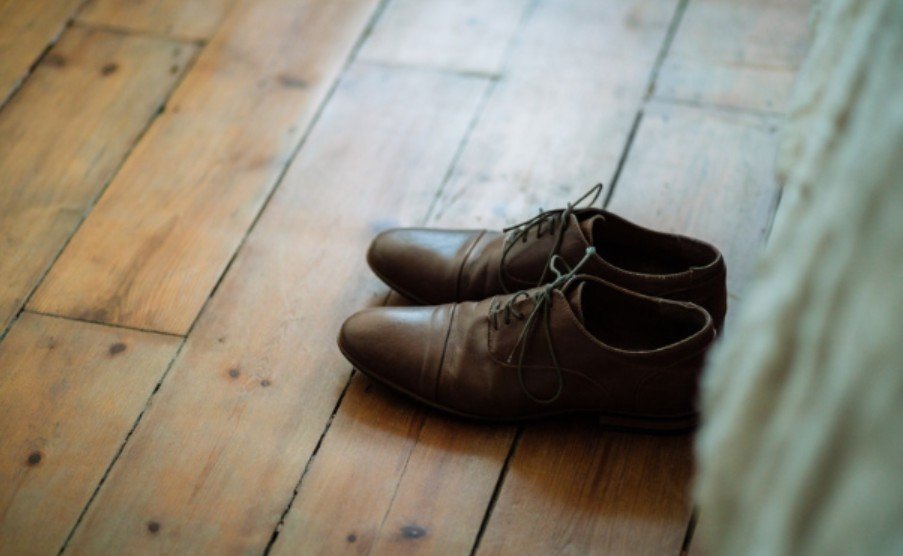
Repeated bending puts stress on the vamp, the section over your forefoot. Dirt trapped inside creases adds abrasion, while unsuitable cleaners can damage the finish and remove lubricating oils.
Heat, neglected care, and repeated wetting followed by rapid drying can contribute to deterioration. Drying wet shoes beside a radiator is particularly unhelpful.
Proper storage also plays an important role in preserving leather quality between wears. Learning how to store men’s leather dress shoes can help protect footwear from excessive heat, moisture, and unsuitable storage conditions that may accelerate deterioration.
Fit also matters. Shoes that bend awkwardly or compress the foot may develop concentrated wear. However, cracking does not automatically prove poor quality or neglect; material condition and previous treatments also influence durability.
How to Approach Minor Damage at Home
Before deciding can cracked leather dress shoes be repaired, identify the material. Smooth leather, suede, patent leather, and synthetic coatings require different treatments. A standard conditioner is not suitable for every surface.
Clean Without Stripping the Finish
Remove the laces and brush away loose dirt. Use a cleaner intended for the leather type, following its instructions and testing a hidden area first.
Apply products sparingly with a soft cloth. Avoid soaking the upper or scrubbing aggressively into damaged areas. Let the shoes dry naturally before judging their condition.
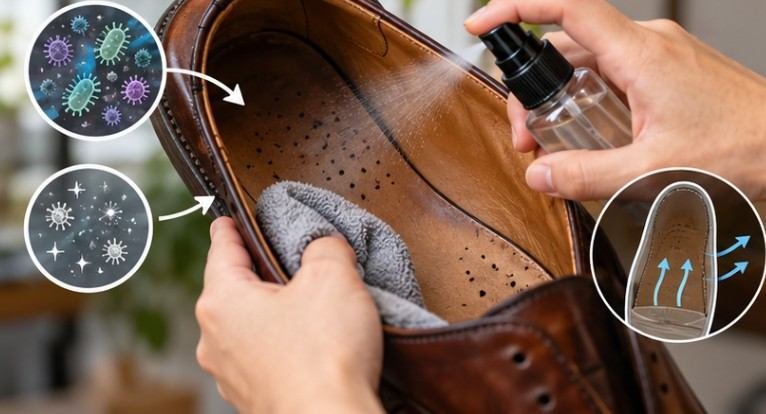
While caring for the exterior, do not overlook the interior, where sweat, moisture, and accumulated residue can affect comfort over time. Following the right steps for how to clean the inside of leather dress shoes helps maintain a cleaner interior without exposing the leather to excessive moisture or unsuitable cleaning products.
Do not treat rubbing alcohol, acetone, or household detergents as universal preparation products. They can alter color and damage delicate finishes.
Condition Dry, Intact Leather
If the leather remains intact but feels dry, apply a small amount of compatible conditioner. Allow the recommended absorption time, then remove excess.
Conditioning may improve flexibility and soften the appearance of dry surface lines. It does not bond severed fibers together. Repeated heavy applications will not turn a deep split into healthy leather.
Restore Color Carefully
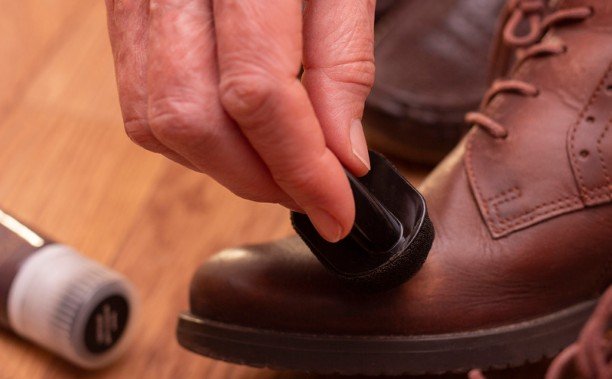
A matching shoe cream can reduce the contrast of minor marks. Test the shade before treating the visible upper, especially on lighter leather or shoes with a distinctive patina.
Use thin applications and buff gently. Avoid building thick wax layers across flexible creases simply to hide damage.
Regular polishing can help maintain the appearance of leather dress shoes, but applying products too frequently or allowing layers of wax to accumulate may affect the finish. Understanding how often you should polish leather shoes can help you maintain their appearance while avoiding unnecessary product buildup.
When Is Leather Filler Appropriate?
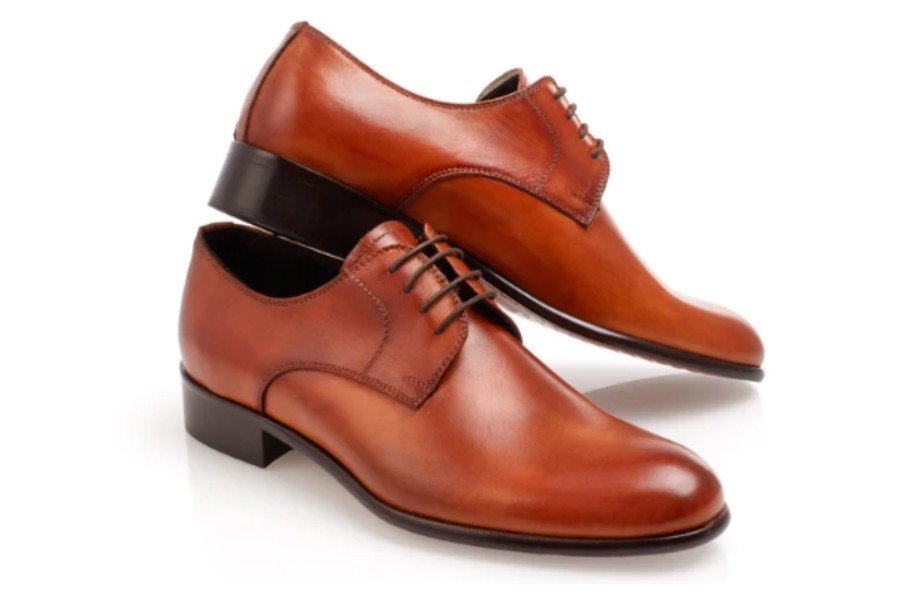
Flexible leather filler may help disguise suitable surface defects when the surrounding leather remains strong. Successful work involves compatible preparation, thin applications, appropriate curing, and matching the finish.
Follow the repair system’s instructions rather than combining unrelated products. Some fillers require a prepared surface that conditioning beforehand could compromise.
Sanding can permanently alter grain and color. On valuable dress shoes, professional restoration is often preferable to experimenting. Filled areas that bend repeatedly may reopen, so ask about durability.
When Should You Consult a Cobbler?
Seek an assessment for widening cracks, exposed fibers, holes, or damage near seams. Send clear photographs of the entire shoe and close-ups, but expect an inspection before a firm recommendation.
Ask whether the proposed work is cosmetic refinishing or reinforcement. Also ask whether the shop handles upper restoration; some specialize primarily in soles and heels. Replacing a sole does not repair a damaged upper.
Is Repair Worth the Cost?
Compare the quotation with replacement cost, overall condition, and how well the shoes fit. Sound uppers with localized finish damage may justify restoration.
If the leather is brittle throughout and other components need extensive work, replacement may offer better value. Request realistic expectations.
Frequently Asked Questions
1. Can cracked leather dress shoes be repaired?
Sometimes. Surface damage may improve through restoration, but deep cracks remain structurally damaged and need assessment.
2. Will Shoe Polish Fix a Crack?
Polish may disguise discoloration. It cannot restore broken fibers or close a structural split.
3. How Can I Reduce Further Damage?
Brush regularly, rotate pairs, use properly fitting shoe trees, and dry wet shoes naturally. Condition according to material needs.
My Final Take
I would judge the leather beneath the finish before committing to repair. Gentle care can improve suitable damage, but I would seek an honest assessment for deep splits. Knowing what restoration can achieve helps me choose between saving a comfortable pair and replacing shoes whose uppers have failed.