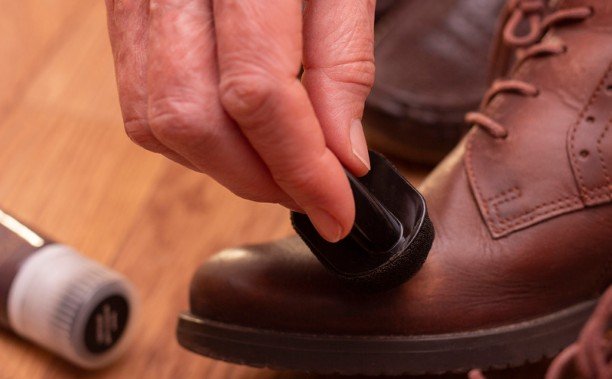

A polished pair of wingtips can look perfect with a suit, chinos, or business-casual clothes, but appearance alone tells me very little about whether the shoe will stay comfortable through a full workday. When I shop for wingtip shoes for men with high arches, I pay far more attention to shoe depth, midfoot stability, cushioning, heel structure, and the lacing system than decorative broguing or leather color.
High arches, sometimes called pes cavus, can place more pressure around the heel and ball of the foot and may be associated with reduced shock absorption and ankle instability. That means the best wingtip is not simply the softest dress shoe. It needs to provide enough room and stability without squeezing the top of the foot.
What Should Men With High Arches Look for in Wingtip Shoes?
I start with fit through the middle of the shoe. High arches and high insteps often occur together, although they are not the same thing. Arch height describes the shape underneath the foot, while instep volume determines how much room the foot needs above the midfoot.
This distinction matters whether I am comparing wingtip Derbies or more formal black oxford shoes with rubber sole construction, because a sleek upper can still feel restrictive if the last does not provide enough vertical space. A shoe can therefore be wide enough across the forefoot and still feel painfully tight over the laces.
Look for Extra Depth Around a High Instep
Extra-depth dress shoes or wingtips with a higher-volume last can provide valuable vertical space. I want the tongue and lacing area to sit securely without pressing hard into the top of my foot.
Buying a longer shoe is usually not the right solution. Extra length may create heel slip while leaving the underlying instep problem unresolved.
This is also why I pay attention to the shoe’s last rather than size alone. Width and instep volume are different measurements, and moving from a D width to an E or EE does not guarantee substantially more vertical room.
Are Wingtip Derby Shoes Better Than Oxfords for High Insteps?
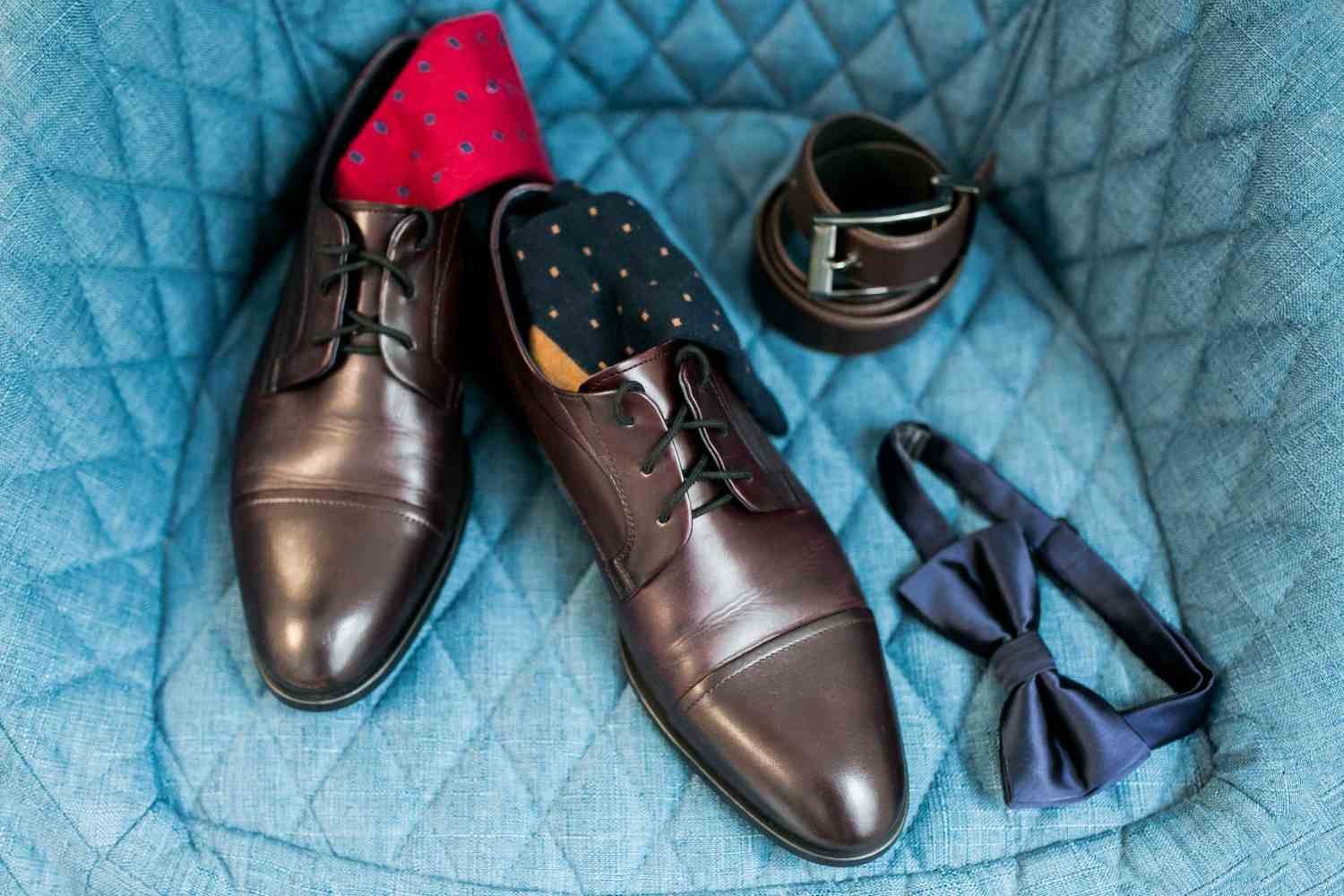
For many men, a Derby is the easier place to start.
A wingtip describes the W-shaped decorative toe design, not the lacing construction. You can therefore find both wingtip Oxfords and wingtip Derbies. Current wingtip guides likewise feature the style across Oxfords, Derbies, and other shoe constructions.
Derbies use open lacing, which allows the quarters to spread farther apart. That creates more adjustment over a high instep. Oxfords use closed lacing and generally offer less room for variation across the top of the foot.
I would not automatically reject every Oxford, though. Some higher-volume lasts can still work well. Fit matters more than the category printed on the box.
Why Are Removable Footbeds Important for High Arches?
A removable insole is one of the first features I check when comparing wingtip shoes for men with high arches.
Many traditional dress shoes have relatively flat or fixed footbeds. If I need a higher-profile arch-support insole or a custom orthotic, placing it directly on top of the existing footbed can reduce internal space and create new pressure over the instep.
A fully removable footbed gives me much more flexibility.
I also check heel depth after inserting an orthotic. A thick insert can raise the foot enough to make the heel slip, so the entire shoe needs sufficient internal volume rather than simply enough room in the toe box.
How Can I Check Midfoot Stability Before Buying?
I do not want a supportive dress shoe to fold through the center like a slipper.
One simple check is to hold the shoe at the heel and forefoot and gently test how easily the middle twists. A structured wingtip should normally resist excessive torsional movement while still bending where the forefoot naturally flexes.
An internal steel, fiberglass, or rigid composite shank can reinforce the midfoot. I see this as especially valuable when I spend long hours standing or walking on concrete, tile, airport flooring, or other hard surfaces.
I would avoid claiming that every flexible shoe causes arch problems, but a more stable platform may feel better for someone who prefers greater midfoot support.
Which Midsole Materials Give Better Shock Absorption?
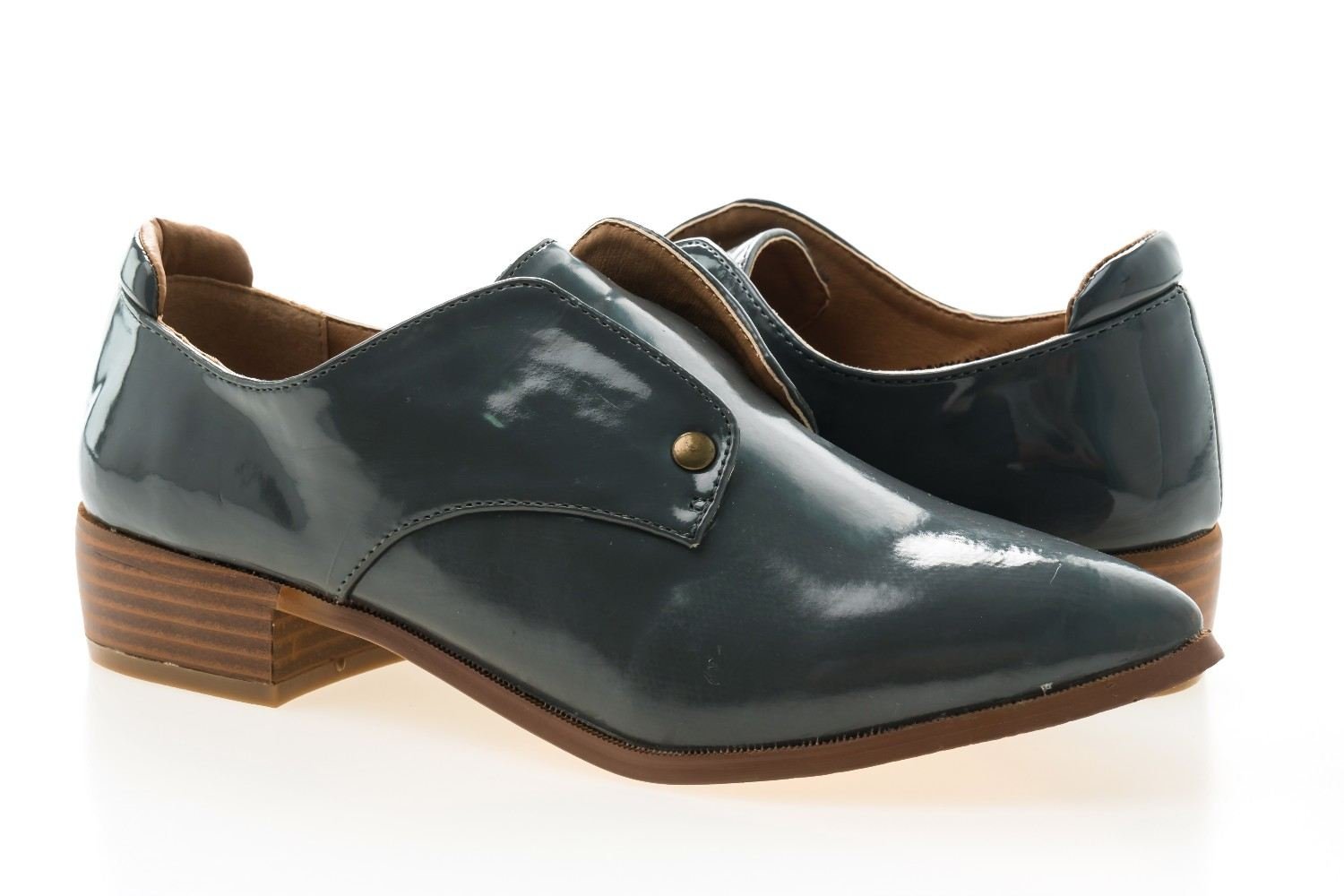
Traditional leather-soled wingtips look elegant, but they are not always my first choice for all-day walking.
I look for models that incorporate EVA, polyurethane, rubber, or another cushioning layer beneath the foot. Dense EVA (Ethylene-vinyl acetate) can reduce impact without making the shoe feel excessively soft, while PU is commonly valued for durable cushioning.
Modern hybrid wingtip shoes can be particularly useful for American commuters and professionals because they combine a traditional leather upper with a more performance-oriented outsole.
A rubber outsole also provides better traction than a smooth leather sole on wet sidewalks, polished floors, parking garages, and subway platforms.
Why Does a Firm Heel Counter Matter?
High-arched feet can sometimes favor an outward rolling pattern called supination. Cleveland Clinic notes that people with high arches may place more pressure on the outside of the foot and can experience ankle instability.
That makes the rear structure of the shoe worth checking.
When I press the back of a wingtip, I prefer a heel counter that feels firm rather than collapsing easily. A structured heel counter can help hold the rearfoot securely and reduce unnecessary movement inside the shoe.
It should not pinch the heel, however. Stability only helps when the shoe fits correctly.
Are Wide Wingtip Shoes Better for High Arches?
Not automatically.
A wider shoe may give the ball of the foot extra room, but it can also make the heel loose if the real issue is vertical instep space.
Instead of automatically sizing up in width, I look for terms such as high-volume last, extra depth, removable footbed, orthotic-friendly, generous instep, or open-lacing Derby.
Men who have both wide feet and high arches may benefit from a wider size, but width should solve an actual width problem.
Are Goodyear-Welted Wingtips Good for High Arches?
They can be.
Goodyear-welted shoes typically provide a structured feel and can be resoled, making them attractive for men who want long-term dress shoes. Many also use cork filling beneath the footbed that gradually compresses with wear.
However, construction quality does not rescue a bad last. I would choose a correctly fitting cemented or Blake-stitched shoe over a Goodyear-welted shoe that crushes my instep.
The fit still comes first.
How Should Wingtip Shoes Feel During Break-In?
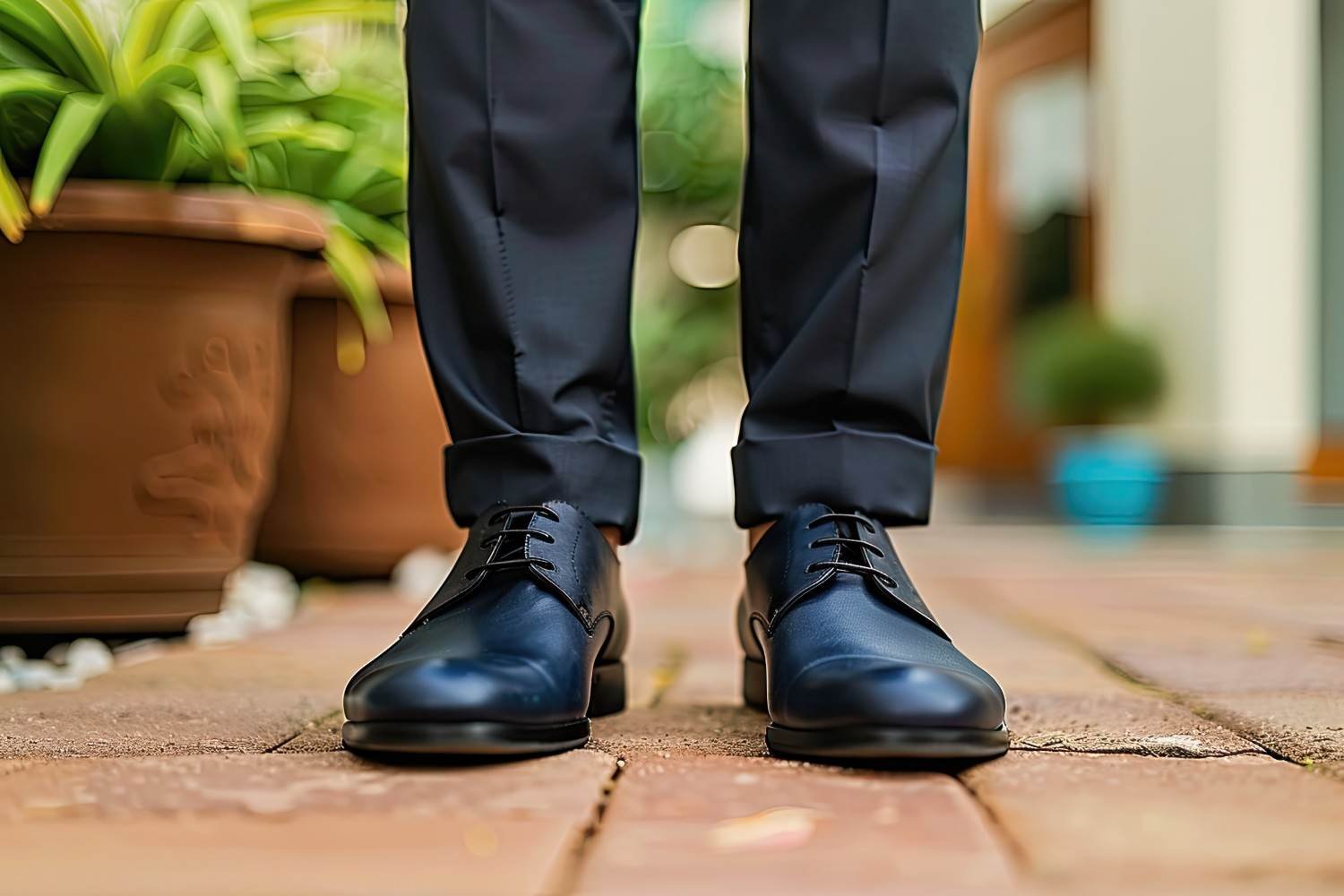
I expect good leather to soften gradually, but I do not expect serious pressure to disappear magically.
A mild snug feeling may improve as the upper flexes. Sharp instep pressure, numbness, strong heel movement, or obvious compression are different issues. High-instep fitting guidance similarly warns that leather may soften modestly, but severe pressure should not be treated as a normal break-in requirement.
I prefer wearing new dress shoes indoors for short periods before committing to an entire workday.
FAQs About Wingtips for High Arches
1. Are wingtip shoes for men with high arches comfortable enough for all-day wear?
Yes, provided the shoe offers enough instep depth, appropriate arch support, a stable midfoot, secure heel fit, and adequate cushioning. The wingtip decoration itself has little effect on comfort.
2. Should men with high arches choose Derby or Oxford wingtips?
I generally start with Derby wingtips because open lacing provides greater adjustment over the instep. An Oxford can still work when its last provides enough volume.
3. Can I put custom orthotics in wingtip dress shoes?
Yes. Shoes with removable footbeds and sufficient internal depth are usually the easiest to adapt. Check heel security after installing the orthotic.
4. Should a supportive wingtip bend in the middle?
I prefer a shoe that remains reasonably stable through the midfoot and flexes mainly toward the forefoot. Extremely flimsy construction may not provide the structured feel some high-arched feet prefer.
My Final Take
When I choose wingtips for high arches, I stop treating dress shoes as purely a style purchase. The smartest pair combines enough vertical room for the instep with a removable footbed, supportive midfoot, firm heel counter, appropriate cushioning, and a secure fit.
For most difficult high-instep fits, I would begin with an open-lacing Derby and then evaluate the last, shoe depth, heel hold, and sole construction. Once those structural details are right, I can focus on the things that make wingtips enjoyable to own: leather quality, broguing, color, and how well they work with the rest of my wardrobe.