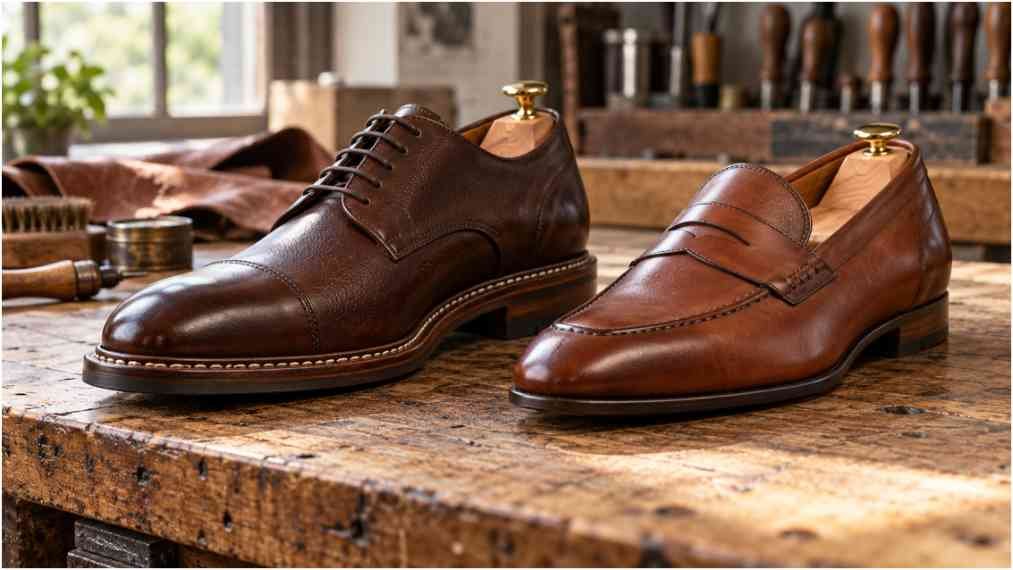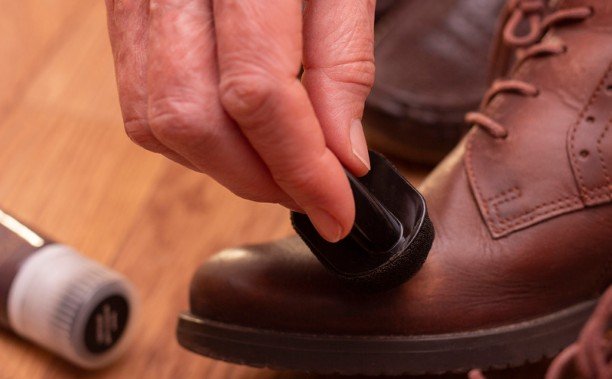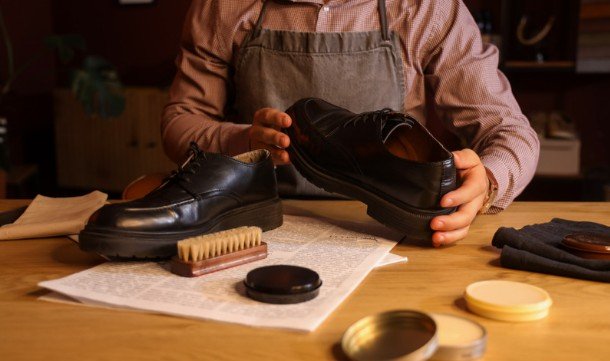
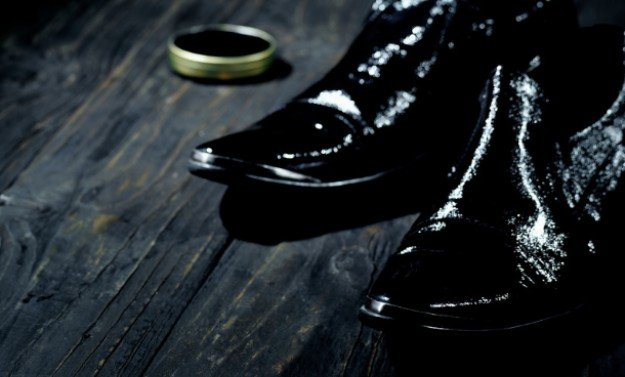
I would check the finish before reaching for more polish. A cloudy toe cap can make a shoe look worse, but another coat may deepen the problem. Understanding why leather shoes look cloudy after polishing starts with separating normal drying haze from excess residue, uneven wax, or a product unsuitable for the leather.
Most persistent cloudiness comes from too much product, incomplete buffing, or rushed layers. The right fix depends on when the haze appeared and where it sits.
Is Cloudiness During Polishing Normal?
A thin layer of cream or wax can look dull as it dries. That temporary haze does not automatically mean you damaged the shoes. Once the product has rested for its recommended time, brushing and buffing should reveal a more even finish.
Persistent smears, pale patches, or a film that returns later deserve closer inspection. Check shoes in daylight, because reflections under indoor lighting can hide uneven areas.
What Causes a Cloudy Finish?
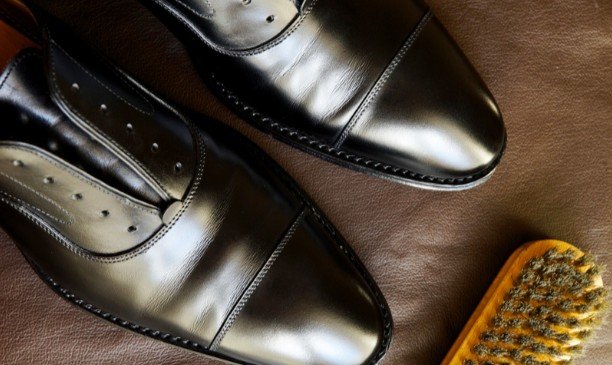
Too Much Cream or Wax
A thick coat leaves more material on the surface than you can easily spread and buff. Instead of an even shine, you may see streaks or a greasy film.
Use small amounts rather than covering the shoe with a visibly wet layer. Let the result guide whether another application is necessary.
Rushing the Drying Stage
Polishing over damp leather or adding another layer before the previous one settles can disturb the finish. The cloth may drag, lift wax, or leave patchy reflections.
Follow the product label rather than assuming every cream and wax needs the same waiting time. After cleaning, allow the leather to dry fully at room temperature.
Incomplete Buffing or a Loaded Cloth
A cloth coated with old polish can keep spreading residue instead of finishing the surface. Inadequate brushing also leaves surplus cream around seams and decorative perforations.
Switch to a clean section of cloth for the final pass. Keep application cloths separate from finishing cloths.
Hard Wax Across Flex Points
Thick mirror-shine wax works best on rigid toe and heel areas. Across the vamp, where the shoe bends, that hard film can crack and produce whitish lines.
These marks may be broken polish rather than cracked leather. Avoid building a mirror finish across walking creases.
Conditioner Residue or Returning Bloom
A pale film that develops hours later may involve excess conditioner or waxy residue. Moisture and temperature changes can also contribute to surface bloom.
Returning haze calls for reassessing your products and application amounts. More conditioner is not automatically the solution.
How to Fix Cloudy Polish Without Making It Worse
Start With Gentle Dry Buffing
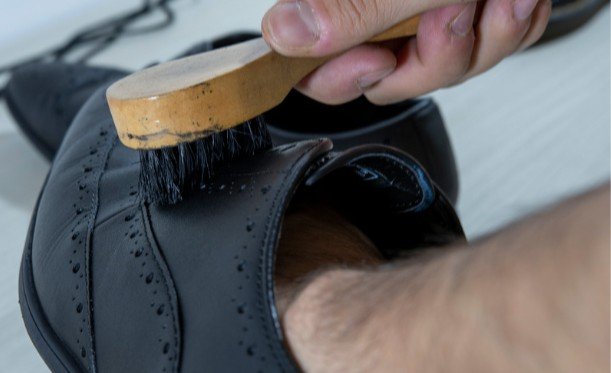
When comparing shoe cream vs wax polish, start by removing surface grit. For smooth leather with cream residue, use a clean horsehair brush, then a soft cotton cloth. Work lightly and inspect the result.
For an existing mirror shine, start with a smooth cloth and pressure. Aggressive brushing can disturb its delicate wax surface.
Pause if the Finish Smears
If the surface feels tacky or the cloth leaves trails, stop adding products. Let the shoes rest at room temperature before trying another light buff.
Avoid radiators, direct sunlight, and hot hair dryers. Heat is not a dependable shortcut for repairing an uncertain finish.
Clean Persistent Buildup Carefully
If dry buffing fails, choose a leather cleaner compatible with the shoe finish and follow its instructions. Test an inconspicuous area first, particularly on light leather or hand-finished shoes.
Remove residue gradually. Do not begin with acetone, household degreasers, or aggressive stripping. Ask a cobbler for help if the finish lifts, becomes sticky, or changes color unexpectedly.
Rebuild Only What Is Needed
Once the shoes are dry, reassess their appearance. Apply a thin coat of suitable cream if color needs refreshing, then buff as directed.
Add wax sparingly to rigid areas when you want shine. During mirror shining, use minimal water and light pressure; do not soak the cloth.
How to Prevent the Haze Next Time
When investigating why leather shoes look cloudy after polishing, consider the entire routine. Brush away dirt before applying products, avoid stacking conditioner and polish without resting time, and finish with clean tools.
Identify the leather first. Ordinary polishing instructions do not transfer directly to suede, nubuck, patent leather, or specialty finishes. Follow the shoe manufacturer’s care advice.
Frequently Asked Questions
why leather shoes look cloudy after polishing even after buffing?
Remaining haze can indicate excessive product, unsettled layers, or returning residue. Stop adding polish, let the shoes rest, and reassess before using a compatible cleaner.
Should I Add More Wax to Restore Shine?
Not immediately. First determine whether you need to remove excess residue. Additional wax helps only when you are deliberately building thin mirror-shine layers on appropriate rigid areas.
Are White Marks Always Polish Residue?
No. Salt deposits, bloom, and other surface problems can look similar. Location, texture, timing, and recent exposure provide clues, but appearance alone cannot confirm the cause.
Can Every Leather Shoe Take a Mirror Shine?
No. A mirror finish suits certain smooth, firm areas. Soft, heavily textured, or flexible leather may need a different finish, while patent leather requires its own care products.
My Final Take
I would choose a clean, even finish over another hurried coat. When shoes look cloudy, my first step would be to pause, check the surface, and try gentle buffing with a clean cloth. Adding more polish before understanding the problem can make residue harder to remove.
I would also give each product enough drying time and keep heavy wax layers away from areas that bend when walking. If the haze keeps returning, I would reassess the amount of conditioner or polish rather than repeat the same routine. A lasting shine comes from careful preparation, thin applications, and patient finishing. With that approach, I can keep leather shoes looking polished without unnecessary product buildup.