I pay attention to what happens inside dress shoes because polished uppers can hide damp lining, accumulated lint, and uncomfortable residue. Reaching for a scented spray might seem convenient, but it leaves the cleaning problem unresolved.
When considering how to clean the inside of leather dress shoes, I start with the material and construction rather than a household cleaning recipe. Gentle wiping, careful drying, and sensible daily habits offer a practical approach without unnecessarily exposing delicate interiors to moisture.
Check the Interior Before Choosing a Cleaner
Leather dress shoes do not always have leather interiors. The lining might be smooth leather, alkanthara material, fabric, synthetic material, or a combination.
Check the manufacturer’s description or care instructions. If the material remains uncertain, ask the maker before applying a cleaning product. An expensive upper does not make every interior component washable.
Identify Removable Inserts and Fixed Footbeds
Lift an insert only if it comes away easily and is designed for removal. Never pull up an attached leather footbed or peel back a glued sockliner.
Fixed components need cleaning in place. Forcing them loose can expose underlying materials, disturb adhesives, and create uncomfortable edges beneath your feet.
Gather Simple Cleaning Supplies
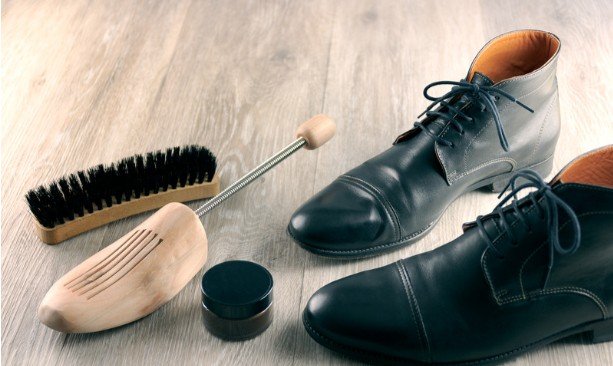
You need two soft, lint-free cloths, a small soft brush, and a dry towel. A flashlight helps you inspect the toe area and seams.
For visible residue that water alone cannot remove, choose a product explicitly suitable for the lining material. Follow its label rather than mixing an improvised solution.
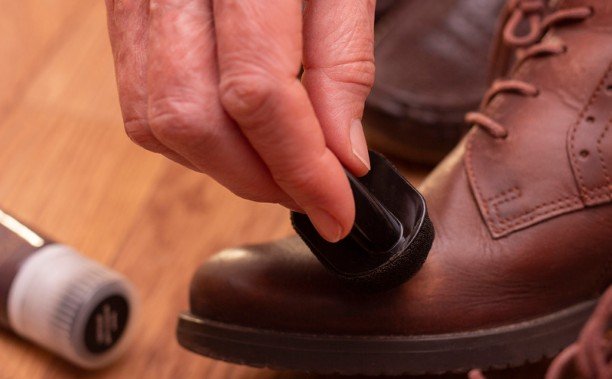
Keep polish, wax, and exterior conditioning products away from the interior unless the manufacturer specifically approves that use. Products designed to shine uppers may leave unwanted residue against socks.
Clean the Inside in Seven Careful Steps
1. Open the Shoes and Inspect Them
Loosen or remove the laces so the tongue opens fully. Check for dampness, detached lining, sharp seams, and unusual spotting.
If the shoes are damp from wear, let them air out first. Cleaning an already wet interior adds moisture without necessarily improving the result.
2. Remove Loose Debris
Tip each shoe over a towel and gently shake out grit. Use the soft brush to lift lint around the heel and accessible seams.
Avoid aggressive scraping. Embedded debris near damaged lining needs careful attention rather than forceful brushing.
3. Test Your Cleaning Method
Choose a small, inconspicuous area near the opening. Test a barely damp cloth or approved cleaner, then allow the patch to dry.
Stop if the leather changes texture, transfers substantial dye, or develops a mark. A successful patch test reduces uncertainty but does not justify soaking.
4. Wipe the Lining Gently
Wring the cloth thoroughly so it feels barely damp. Wipe accessible leather surfaces using light pressure.
Work around the heel, sides, and underside of the tongue. Fold the cloth over your fingers to reach farther forward. Avoid pouring liquid into the toe area or seams.
5. Clean the Footbed Appropriately
Wipe a fixed leather footbed in place, concentrating on surface residue. Do not scrub deeply into darkened areas; discoloration may remain despite adequate cleaning.
Clean removable inserts separately according to their material and instructions. A washable fabric insert and a leather-topped insert require different treatment.
6. Remove Residue and Excess Moisture
If an approved cleaner requires removal, follow its directions carefully. Use a separate cloth rather than repeatedly spreading collected dirt.
Blot with a dry towel. The interior should feel lightly cleaned, not wet or saturated.
7. Allow Complete Air Drying
Leave the shoes open in a ventilated space away from radiators, hair dryers, and direct sunlight.
Drying time varies with moisture, construction, and humidity. Check the toe area and beneath removable inserts before reassembly. Do not wear shoes while their interiors still feel damp.
Handle Odor Without Hiding the Cause
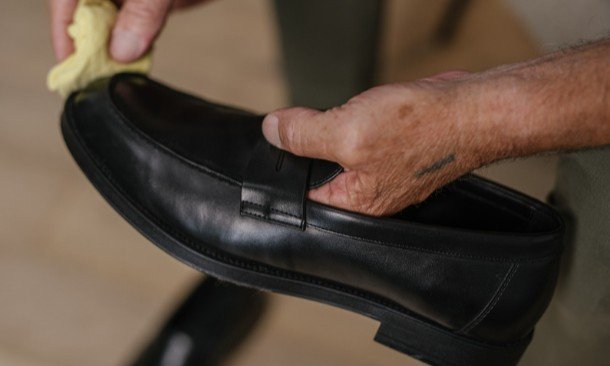
Cleaning removes surface residue; deodorizing addresses smell. Neither automatically proves that a shoe has been disinfected.
When odor persists, check drying habits and removable inserts first. Rotate pairs, wear clean socks, and consider contained odor absorbers rather than loose powder.
Avoid automatically using vinegar, alcohol, bleach, or generic disinfecting wipes. Their compatibility depends on the lining, finish, adhesives, and product formulation. Persistent mustiness, visible spotting, or damaged lining deserves professional assessment.
Keep the Interior Fresher Between Wears
Open shoes after wearing them and allow airflow. Remove detachable inserts when appropriate so trapped moisture can escape.
Inspect frequently worn pairs weekly, but clean according to visible residue and care instructions rather than a rigid calendar.
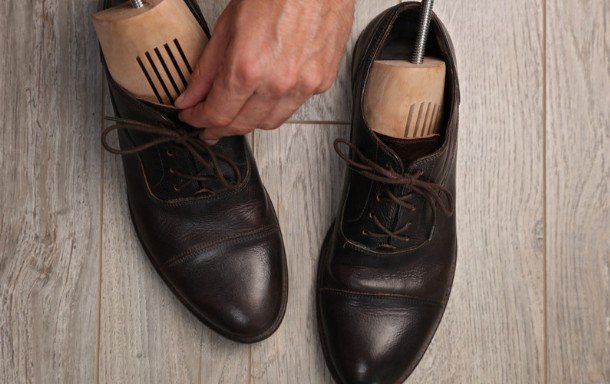
Use appropriately fitted shoe trees for shape maintenance once excess moisture has dissipated. They support care but do not replace cleaning or disinfection.
Frequently Asked Questions
1. How often should I clean the interior?
Inspect regularly and wipe when residue appears. Daily wear, heavy perspiration, and drying conditions influence how frequently cleaning becomes necessary.
2. Can leather insoles be washed?
Avoid soaking them unless their manufacturer expressly allows it. Fixed leather footbeds should remain attached during cleaning.
3. Will cleaning remove every dark mark?
No. Wear, dye transfer, and absorbed residue can leave lasting discoloration.
4. What is the safest starting point for how to clean the inside of leather dress shoes?
Identify the lining, remove dry debris, and test gentle wiping before using a compatible cleaner.
My Final Take
I approach how to clean the inside of leather dress shoes as careful maintenance rather than deep washing. I keep moisture minimal, respect fixed components, and make drying part of the process. Consistent care helps preserve comfort without chasing a spotless interior.