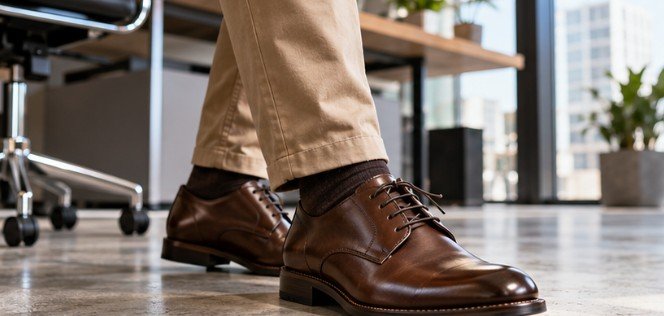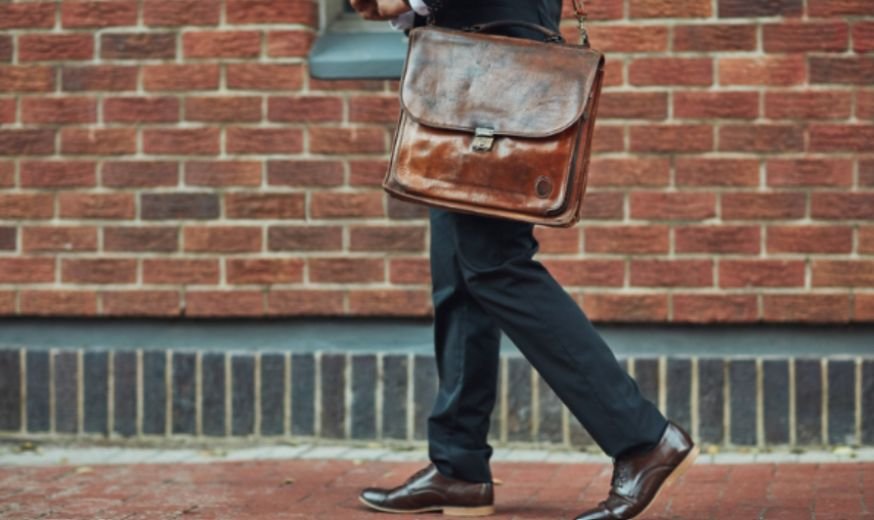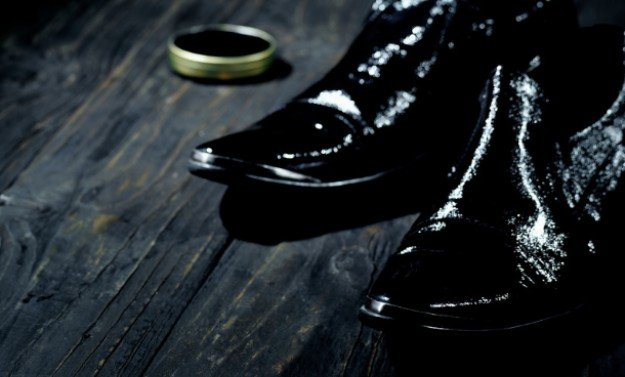
I used to associate a proper black Oxford with a thin leather outsole. It looked elegant, but after walking across wet sidewalks, polished office floors, airport terminals, and parking garages, I understood why many modern dress-shoe buyers want something more practical.
Today, black oxford shoes with rubber soles can preserve the sharp appearance of a traditional dress shoe while delivering the grip, cushioning, and durability needed for everyday American life.
For professionals who commute, travel for business, attend formal events, or spend much of the workday standing, the right rubber outsole can make an Oxford considerably easier to wear without turning it into a casual shoe.
Why Choose Black Oxford Shoes With Rubber Soles?
Rubber changes how a dress shoe performs underfoot.
The first advantage is traction. Smooth leather soles can become slippery on tile, polished concrete, wet pavement, and other hard surfaces. A textured rubber outsole creates more grip, which can provide better footing during rainy commutes or long days moving between indoor and outdoor spaces.
Rubber can also improve shock absorption. Its flexibility and cushioning help reduce some of the harsh impact associated with repeatedly walking on concrete and other unforgiving surfaces. Anyone who spends hours standing in an office, hotel, restaurant, showroom, or conference center may notice the difference.
Weather performance is another advantage. Rubber outsole material does not absorb water in the same way a traditional leather sole can. However, I would not call the entire shoe waterproof simply because it has a rubber sole. Water can still enter through the upper, stitching, welt, or seams unless the shoe was specifically designed as waterproof footwear.
Rubber also generally resists abrasion well during regular pavement use, meaning it may require outsole replacement less frequently than a comparable leather sole.
Are Rubber-Sole Oxford Shoes Formal Enough for Business Wear?
Yes, provided the sole matches the occasion.
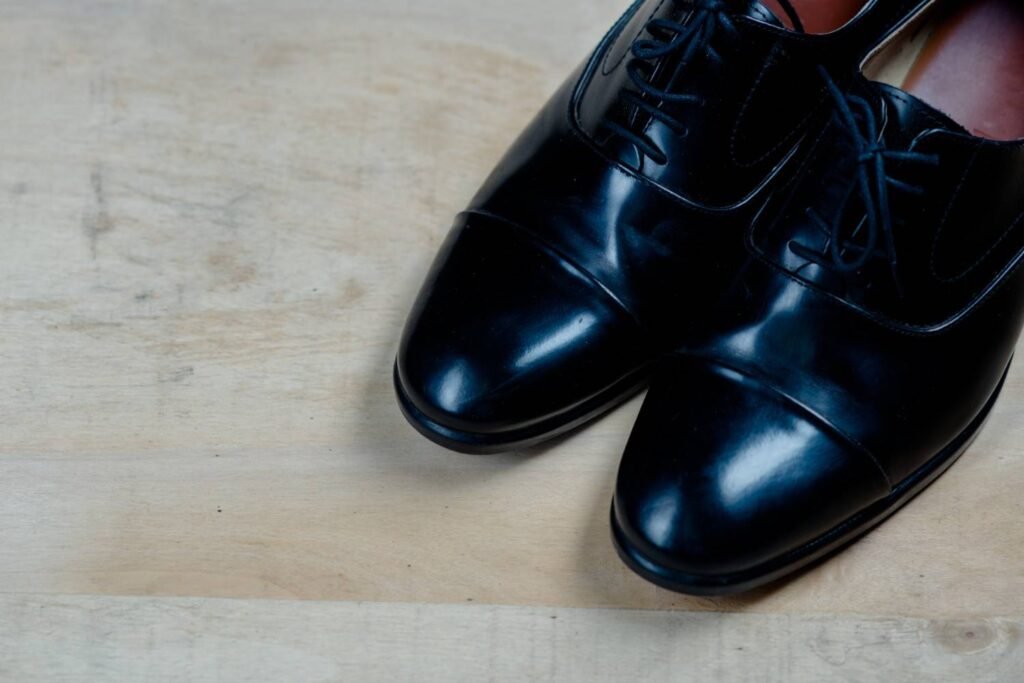
Oxford shoes are distinguished by their closed-lacing construction, which creates the clean, streamlined appearance associated with traditional business and formal footwear. Black cap-toe Oxfords in smooth leather are particularly versatile for business-formal settings.
The key is outsole thickness. A slim rubber city sole can remain discreet enough for a charcoal or navy suit. Even specialist dress-shoe guides acknowledge that a thin rubber outsole can make sense in rainy conditions while preserving much of the Oxford’s refined profile.
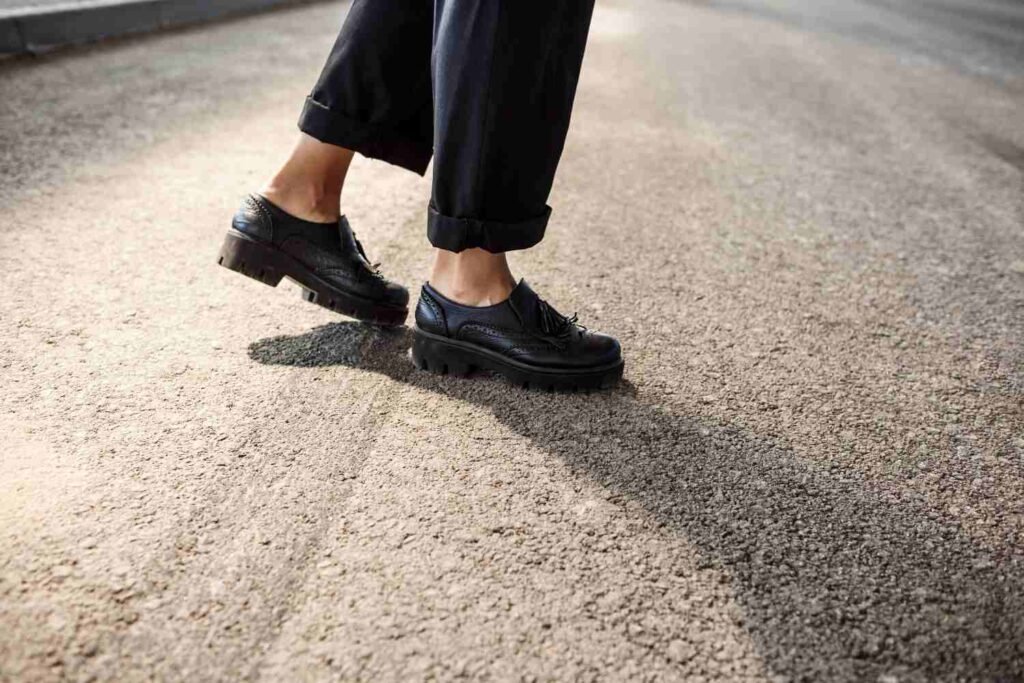
A chunky lug sole creates a different effect. It works better with smart-casual tailoring, heavier trousers, and contemporary office clothing than with conservative formalwear.
Which Rubber Sole Type Is Best for Oxford Shoes?
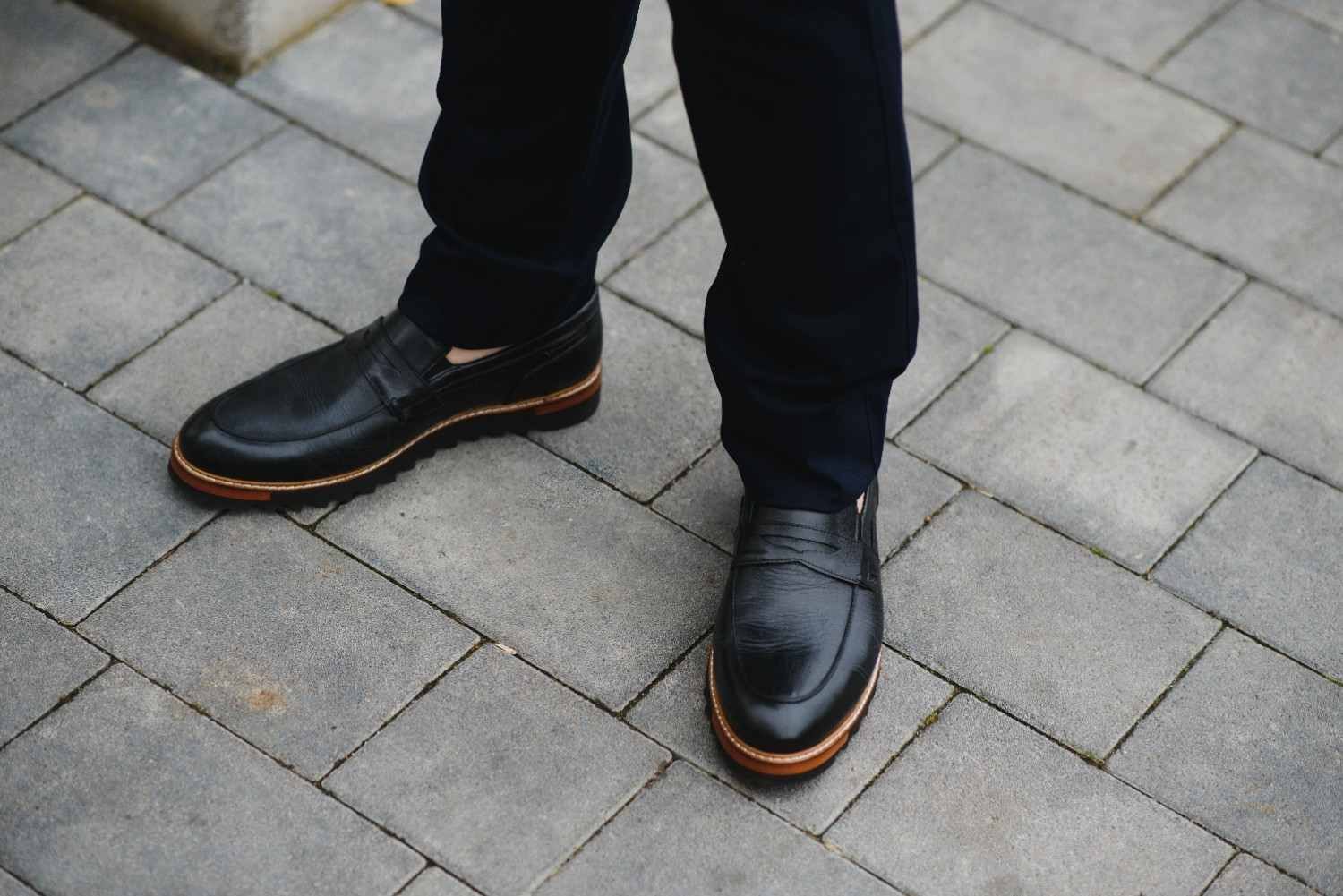
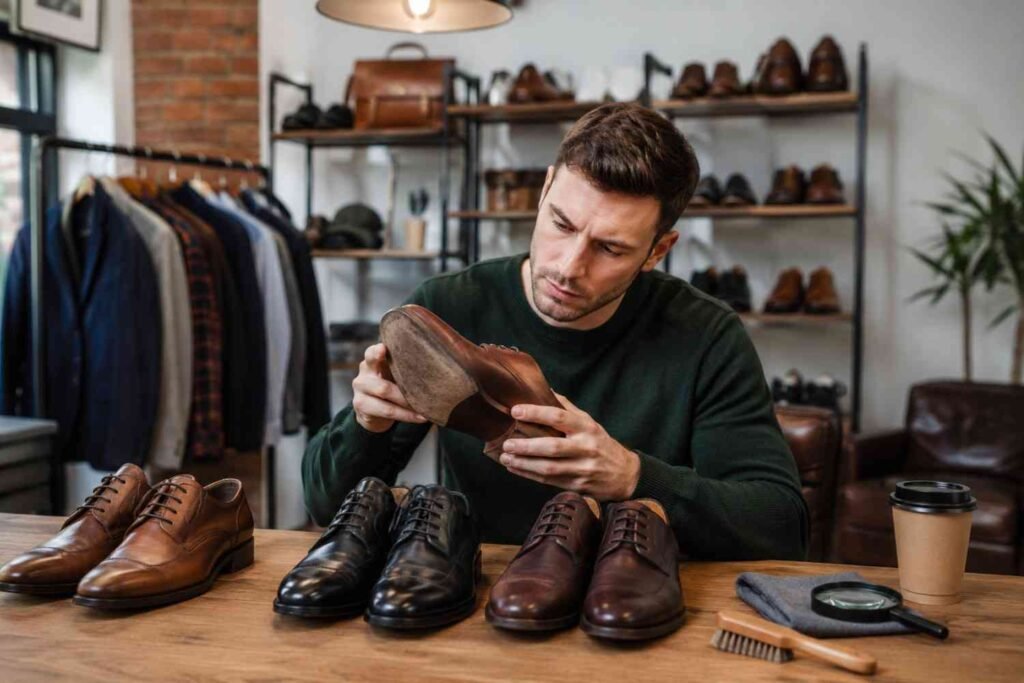
Choosing black oxford shoes with rubber soles becomes easier once I separate the main outsole styles by appearance and purpose.
Dainite and Studded Rubber Soles for Formal Versatility
Studded rubber soles use recessed or low-profile tread patterns that provide traction without creating the bulky appearance of hiking-style footwear. This makes the design especially useful for business travel, wet sidewalks, office commuting, and dressier occasions.
For someone who wants a traditional-looking Oxford but expects to walk outdoors regularly, this is one of the most balanced choices.
Commando and Lug Soles for Maximum Traction
Commando-style soles use deeper grooves and more aggressive tread blocks. They provide substantial grip and give the Oxford a rugged, contemporary appearance.
I would consider this style for winter commuting, casual offices, wet streets, and outfits built around tailored wool pants or other heavier fabrics. The tradeoff is formality: the thicker the outsole looks, the less naturally it fits conservative business attire.
Vibram and Crepe Soles for Cushioning
Vibram produces many types of rubber outsoles, so performance depends on the specific compound and tread rather than the brand name alone. Lightweight rubber designs can deliver a useful combination of grip, flexibility, and cushioning.
Crepe soles feel softer underfoot and can absorb impact well, but their textured, casual appearance usually makes them less appropriate for traditional formal Oxfords. I prefer them when comfort and relaxed styling matter more than boardroom formality.
TPU and TPR Soles for Affordable Everyday Wear
Thermoplastic polyurethane and thermoplastic rubber are common in molded footwear because manufacturers can create lightweight, flexible soles efficiently.
These materials often appear on entry-level and mid-market dress shoes. They can work well for everyday office commuting when a buyer prioritizes flexibility, lower weight, and affordability rather than traditional stitched construction.
Rubber Sole vs Leather Sole: Which Should You Buy?
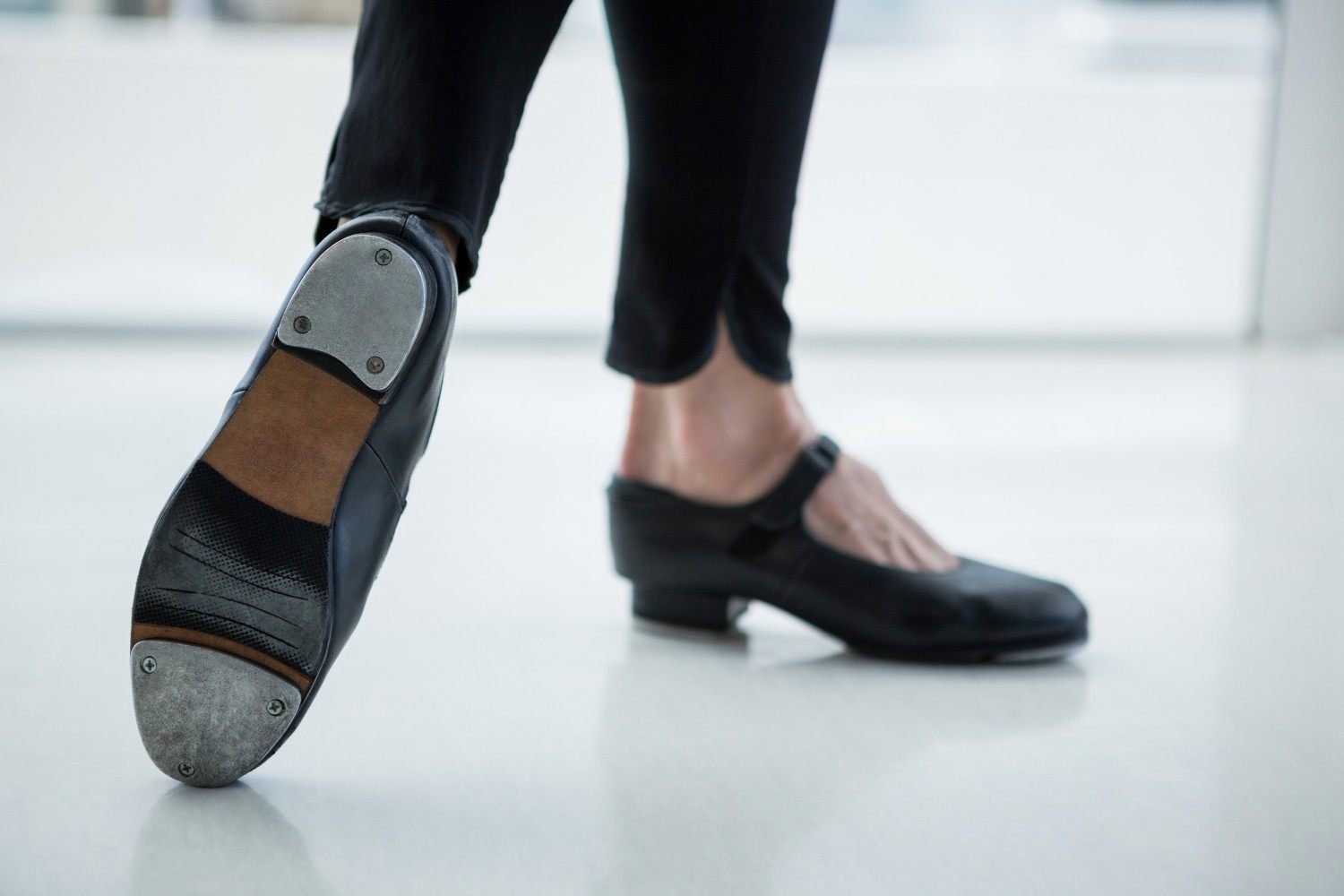
Neither material wins in every situation.
Leather soles deliver the classic appearance associated with fine dress shoes. They can feel elegant, relatively lightweight, and appropriate for highly formal indoor events.
Rubber emphasizes everyday usability. It generally offers more traction on wet or smooth surfaces, protects the bottom of the shoe from direct moisture exposure, and may provide more cushioning during long periods of walking.
If I were buying shoes primarily for formal indoor occasions, I would still consider leather. If I expected to wear the same pair several days a week for commuting, client meetings, travel, and walking through American city streets, rubber would be much harder to ignore.
What Construction Should You Look for?
A good outsole cannot compensate for poor overall construction.
Goodyear welt construction remains attractive because a welt connects the upper and sole in a way that can make future repair and resoling practical. Quality dress-shoe specialists also emphasize full-grain calfskin and welted construction when evaluating premium black Oxfords.
Blake stitching can create a slimmer, lighter shoe with good flexibility. Cemented construction is common at lower price points and can still work well for occasional wear, although repairing or replacing the outsole may be less straightforward.
I also pay attention to smooth leather quality, lining, heel stability, stitching, cushioning, and toe shape.
Are Rubber-Sole Oxfords Comfortable for Standing All Day?
They can be, but rubber alone does not guarantee comfort.
Cushioned footbeds, proper arch support, enough toe room, stable heel construction, and correct sizing matter just as much. Current US retailers offer Oxfords that combine formal leather uppers with cushioned footbeds and rubber soles, showing how manufacturers increasingly blend traditional styling with comfort-oriented construction.
People with higher insteps should be especially careful because the Oxford’s closed-lacing system provides less adjustability than an open-laced Derby.
How Should You Style Black Rubber-Sole Oxfords?
For traditional business wear, I prefer smooth black leather, a cap toe or clean plain toe, and a discreet rubber outsole.
Black Oxfords pair naturally with charcoal and navy suits and remain a standard option for professional dressing.
For smart-casual outfits, a heavier lug outsole provides more freedom. It can work with tailored trousers, textured jackets, and contemporary cold-weather clothing without looking out of place.
How Much Should You Spend?
Under roughly $150, buyers will commonly encounter cemented or molded construction and more synthetic components. These shoes can still make sense for occasional events or light office wear.
Between about $150 and $300, I would expect better leather, more comfortable footbeds, improved finishing, and a wider choice of construction methods.
Above $300, buyers can increasingly find premium calfskin, Goodyear welt construction, better finishing, and shoes designed with long-term repairability in mind.
How Do You Care for Rubber-Sole Oxfords?
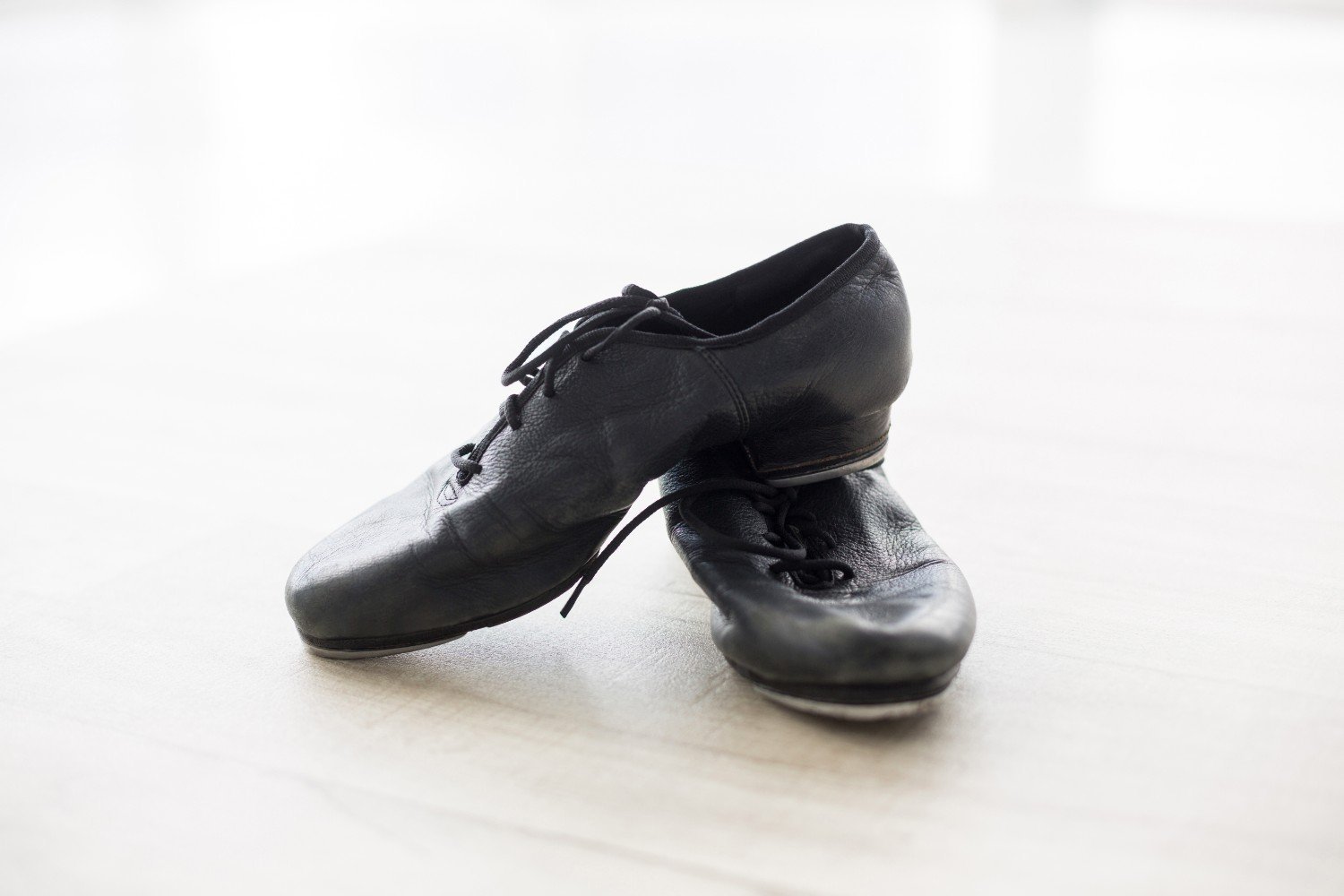
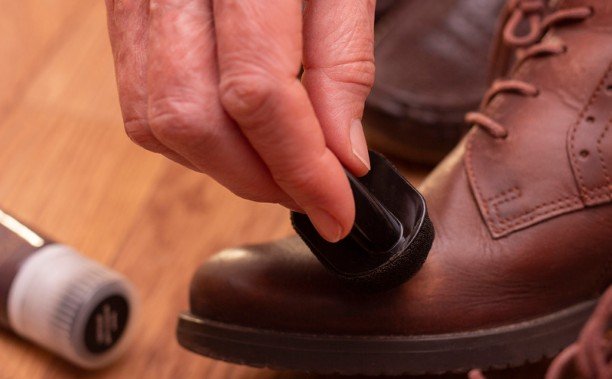
I brush the leather after wear, use shoe trees, condition the upper when necessary, and apply black cream or polish to maintain color and shine.
After rain, I let the shoes dry naturally instead of placing them near direct heat. Dirt, grit, and winter road residue should also be removed from the outsole and welt area rather than being allowed to build up.
Rotating pairs gives moisture inside the shoe time to evaporate and can help preserve both the leather and internal components.
Frequently Asked Questions (FAQs)
1. Are rubber soles better than leather soles on Oxford shoes?
Rubber usually provides better grip, wet-weather practicality, and impact absorption. Leather remains the more traditional choice when maximum formality and a thin dress-shoe profile matter most.
2. Can I wear rubber-soled Oxfords with a suit?
Yes. Choose smooth black leather and a slim rubber outsole. A low-profile sole can work naturally with navy, gray, and charcoal suits.
3. Are rubber-soled Oxfords good for rainy weather?
They are usually more practical than leather-soled shoes on wet pavement, but a rubber outsole does not automatically make the entire shoe waterproof.
4. Can rubber soles be replaced?
Many stitched dress shoes can be resoled, especially Goodyear-welted models. Repair options depend on the construction and condition of the shoe.
5. Are black Oxford shoes suitable for long workdays?
Yes, when they fit correctly and combine supportive insoles, stable heel construction, adequate toe space, and cushioning.
Final Thoughts
I think the strongest modern Oxford is one that looks formal without forcing me to treat every wet sidewalk like an obstacle course. The right black Oxford shoes with rubber soles preserve the closed-lacing shape, smooth leather, and polished appearance expected from classic dress footwear while adding traction, shock absorption, weather practicality, and everyday durability.
For most US professionals, a slim studded or city-style rubber outsole offers the best balance. If comfort dominates, softer rubber constructions deserve consideration. If winter traction matters more than strict formality, lug soles become useful.
Buyers comparing other value-focused dress options, including Goodyear welted wingtip shoes under $250, should apply the same logic by prioritizing construction, fit, outsole performance, and long-term wear rather than style alone. Matching the sole to how and where you actually wear the shoe is ultimately more important than following tradition for tradition’s sake.