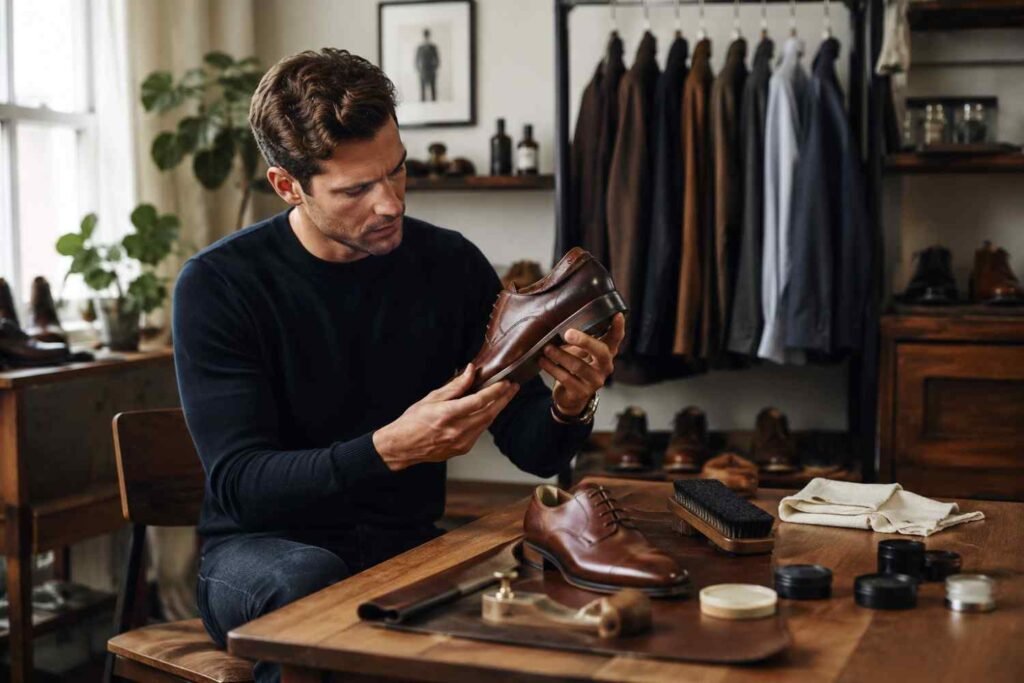
Most people have owned a pair of shoes that looked great in the store but started falling apart after a year or two. The stitching loosened, the soles wore down, or the leather creased beyond repair. It’s frustrating, especially when replacing them becomes part of a routine instead of an exception.
Buying shoes that last decades starts with changing how you think about footwear. Instead of chasing seasonal trends or the lowest price, you’re investing in craftsmanship, quality materials, and proper care. A well-made pair can stay in your wardrobe for years, becoming more comfortable and full of character with every wear. That’s why many footwear enthusiasts focus on durability before anything else.
Why Cheap Shoes Usually Cost More
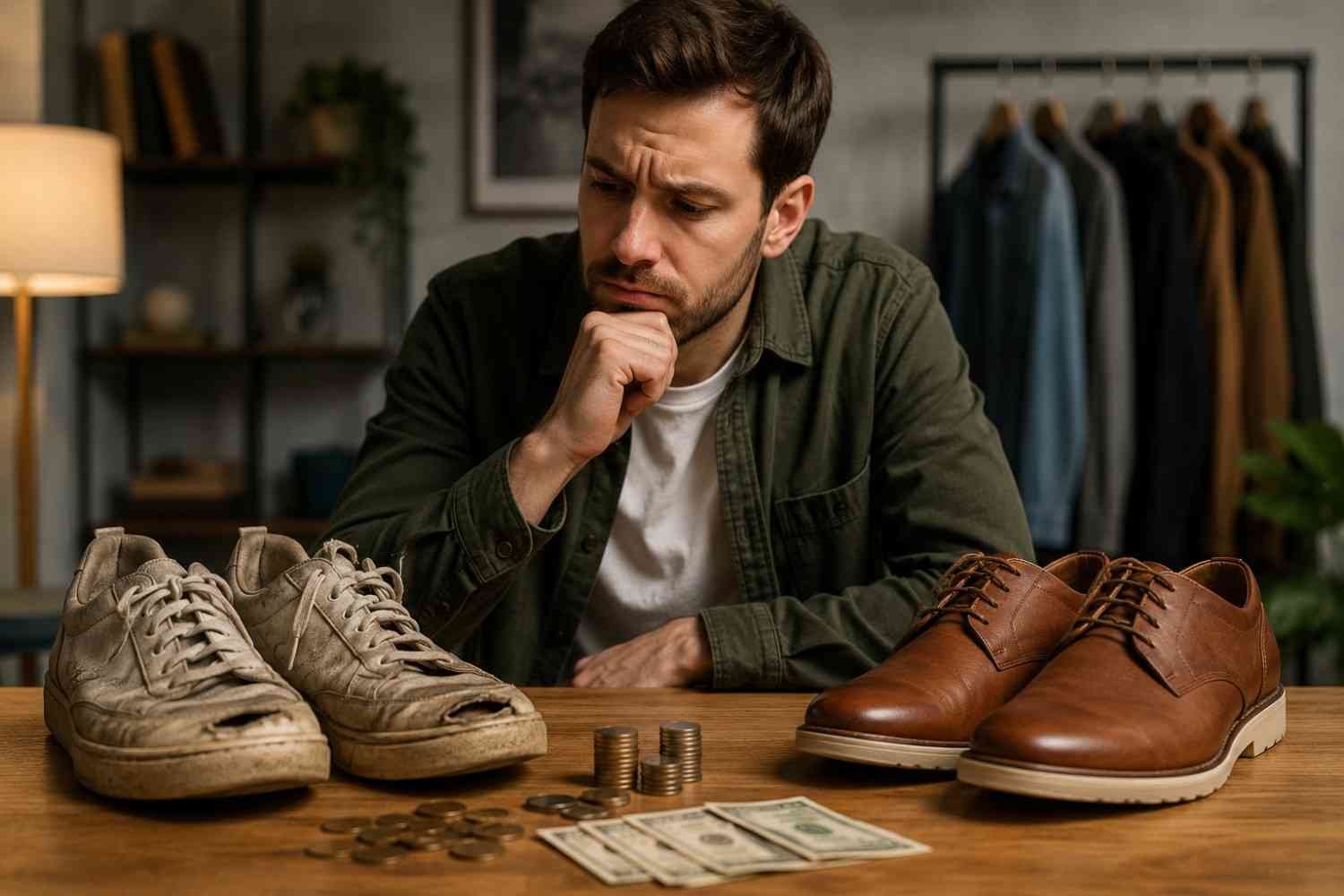
A lower price tag can feel like a smart deal, but it often leads to higher spending over time. Shoes made with bonded leather, glued construction, or low-quality synthetic materials usually aren’t designed to be repaired. Once the sole separates or the upper cracks, replacing the entire pair is often the only option.
Quality footwear works differently. While the upfront cost is higher, durable materials and repairable construction significantly improve cost-per-wear. Instead of buying multiple replacements over the years, you’re investing in footwear that continues to perform with proper maintenance.
What Makes Shoes Last for Decades?
Not every expensive shoe is built to last, and not every affordable pair is poorly made. Knowing what to look for helps you separate genuine craftsmanship from clever marketing.
Premium Materials Age Better
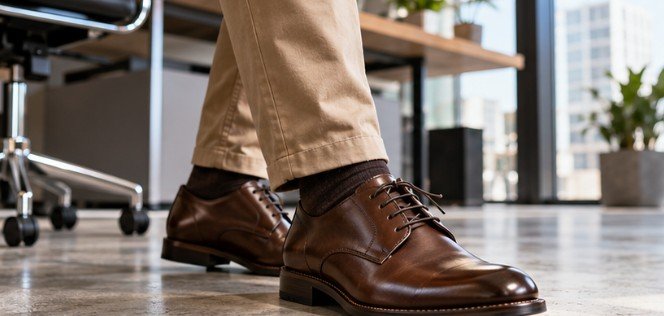
The upper material determines much of a shoe’s lifespan. Full-grain leather remains one of the most durable choices because it develops a rich patina instead of peeling or cracking like lower-grade leather. High-quality suede can also last for years when properly cared for.
Natural materials breathe better, mold to your feet over time, and generally wear in rather than wear out. Leather linings, cork midsoles, and durable rubber components also contribute to longer-lasting comfort.
Footwear Construction Matters More Than the Brand
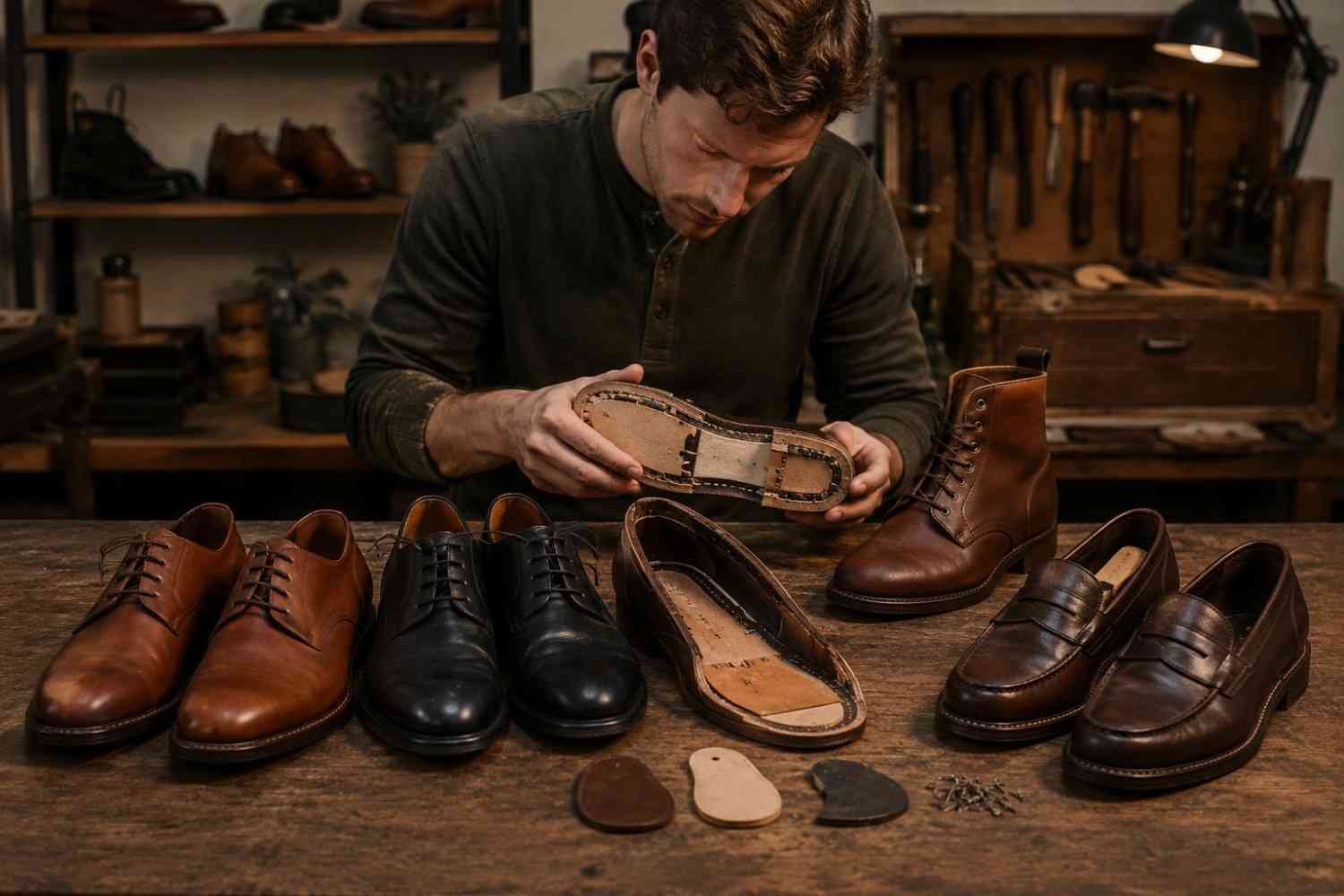
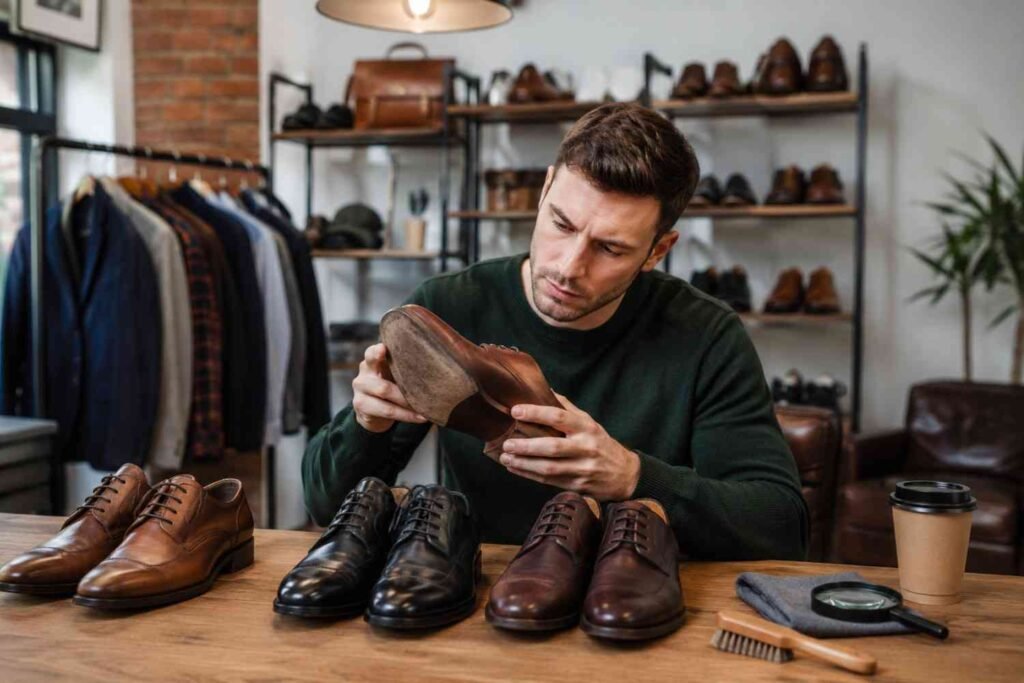
Construction often matters more than the logo on the heel. Goodyear welt and stitch-down construction allow worn soles to be replaced without rebuilding the entire shoe. That means a trusted cobbler can install new outsoles while preserving the upper leather.
By comparison, many mass-produced shoes rely on adhesives that weaken with age. Once those bonds fail, repairs become difficult or impossible. Choosing repairable footwear is one of the smartest decisions you can make when buying shoes that last decades.
Proper Fit Extends the Life of Your Shoes
A poor fit doesn’t just affect comfort—it also accelerates wear. Shoes that are too tight create excessive stress around the stitching and leather, while oversized footwear often develops uneven creasing and premature sole wear.
Trying shoes on carefully, understanding your measurements, and paying attention to arch support can make a noticeable difference in both comfort and durability.
Timeless Styles Stay Relevant
Classic footwear rarely goes out of style. Plain-toe boots, loafers, cap-toe Oxfords, derby shoes, and minimalist sneakers remain versatile year after year because they’re built around clean design rather than temporary fashion trends.
Choosing timeless styles also makes long-term ownership more rewarding. You won’t feel pressured to replace them simply because trends have changed.
Taking Care of Your Shoes Is Part of the Investment
Even the best-made shoes need regular care. One of the biggest mistakes people make is wearing the same pair every day. Leather absorbs moisture from your feet, and without enough time to dry, the lining and upper can deteriorate more quickly.
Rotating between two or three pairs gives each pair at least 24 to 48 hours to recover. Using cedar shoe trees helps absorb moisture while maintaining the shoe’s original shape.
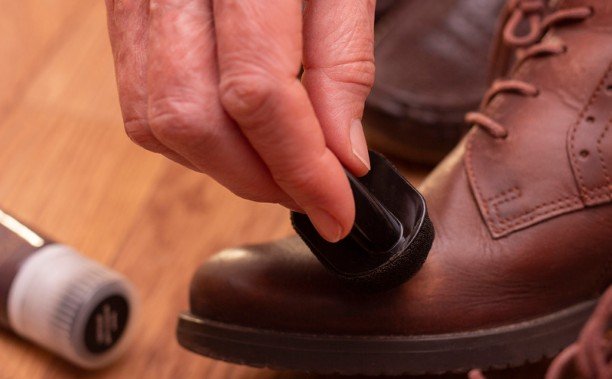
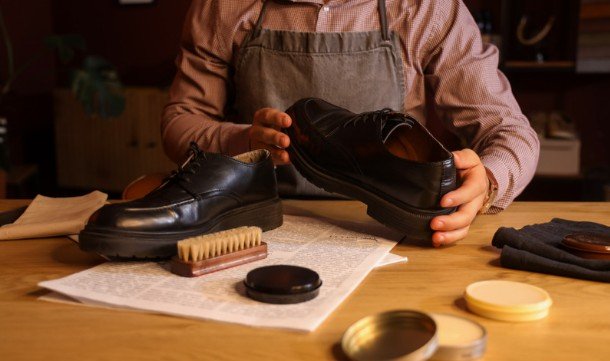
Routine maintenance also goes a long way. Cleaning away dirt, conditioning leather to prevent drying, polishing when needed, and applying a water protector all help preserve the material. Small habits like avoiding unnecessary scuffs against curbs or stairs can significantly extend a shoe’s life.
Common Mistakes That Shorten a Shoe’s Lifespan
Even premium footwear won’t last if it’s neglected. Watch out for these common mistakes:
- Wearing the same pair every day without allowing it to dry.
- Ignoring routine cleaning and leather conditioning.
- Skipping shoe trees after each wear.
- Waiting too long before replacing worn soles.
- Choosing trendy designs over durable footwear construction.
Avoiding these habits protects both the appearance and structural integrity of your shoes.
Why Spending More Can Save You Money
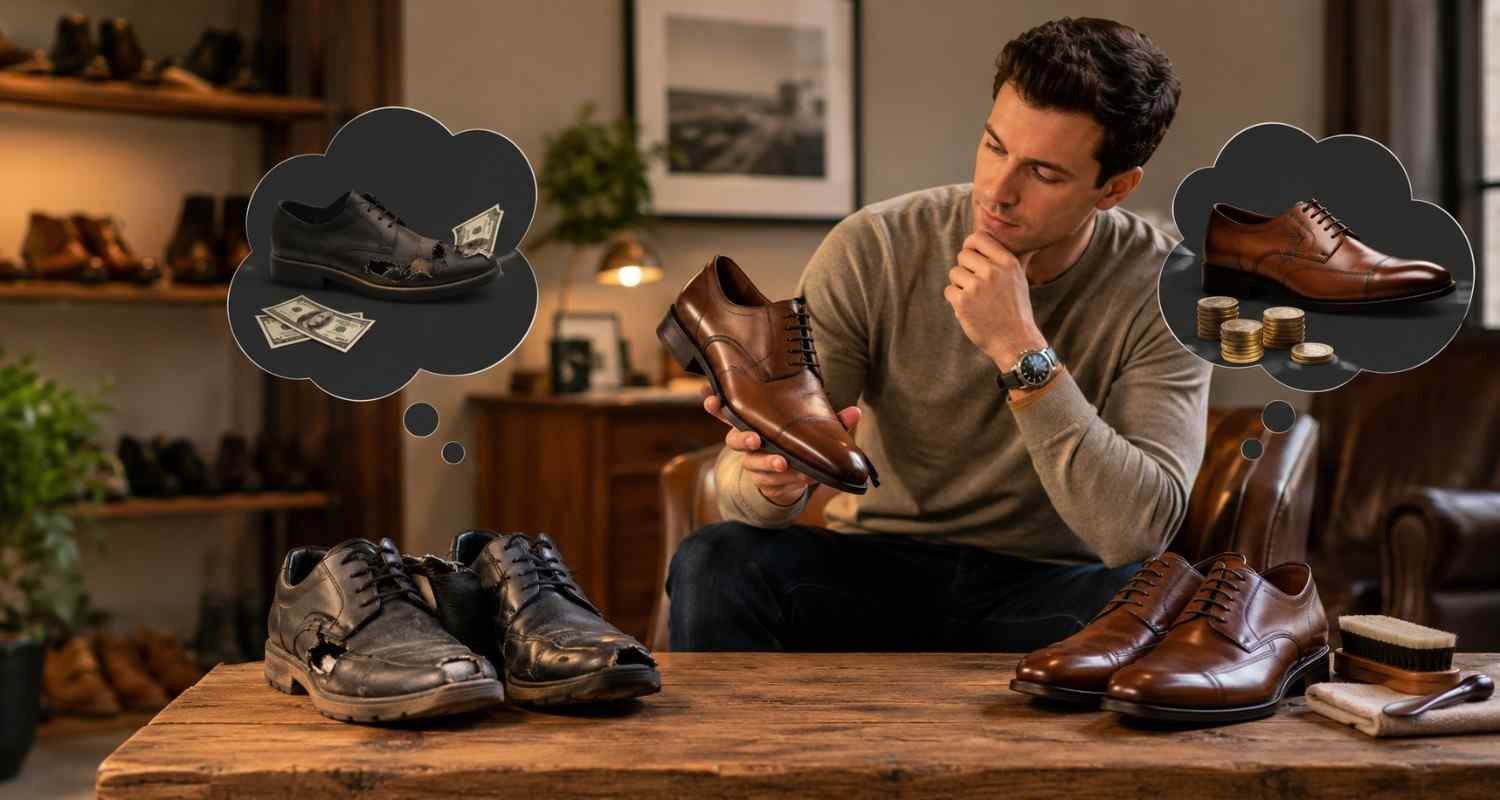
Quality footwear isn’t just about luxury—it’s about long-term value. A well-made pair that can be resoled several times often costs less over its lifetime than repeatedly replacing cheaper alternatives.
This is also where resale becomes part of the conversation. Premium brands with strong craftsmanship tend to attract buyers long after their first owner has worn them. If you’re interested in shoes that hold resale value, focusing on quality construction, timeless styling, and proper maintenance gives you a much better chance of preserving their worth.
Thinking beyond the purchase price helps you appreciate footwear as a lasting investment rather than another disposable purchase.
FAQs: The Complete Mindset Behind Buying Shoes That Last Decades
1. What type of shoe construction lasts the longest?
Goodyear welt and stitch-down construction are among the most durable because they allow the soles to be replaced multiple times, extending the shoe’s lifespan.
2. How many pairs should I rotate regularly?
Owning at least two or three everyday pairs is ideal. Rotating them gives leather time to dry, helping preserve its shape, comfort, and durability.
3. Are expensive shoes always better?
Not necessarily. The best value comes from quality materials, repairable construction, and solid craftsmanship rather than a premium brand name alone.
4. How often should leather shoes be maintained?
Clean them after regular use, condition the leather every few months depending on wear, polish when needed, and replace worn soles before they damage the upper. Consistent care keeps quality shoes looking and performing their best for many years.
Built to Be Worn, Not Replaced
Buying shoes that last decades isn’t about owning the most expensive pair on the shelf. It’s about choosing footwear designed to age gracefully, investing in materials that improve over time, and building simple maintenance habits that protect your purchase. When quality construction meets consistent care, shoes become something you rely on for years instead of replacing every season.
The best shoes aren’t the ones you buy most often—they’re the ones you never feel the need to replace.