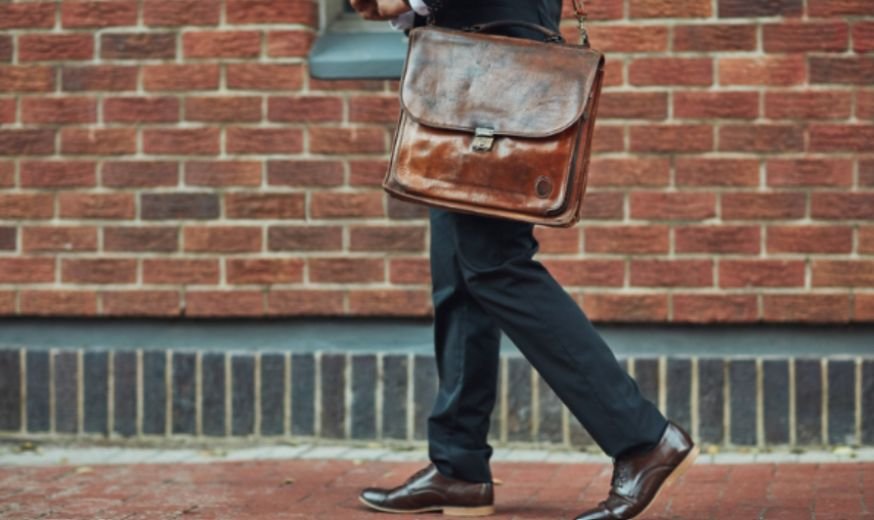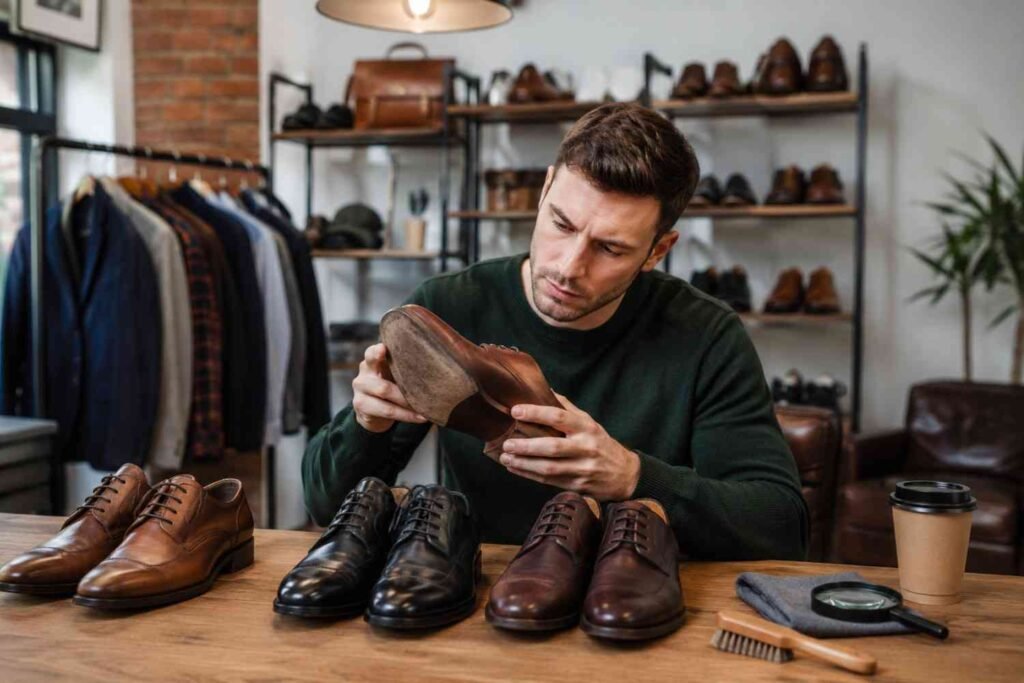
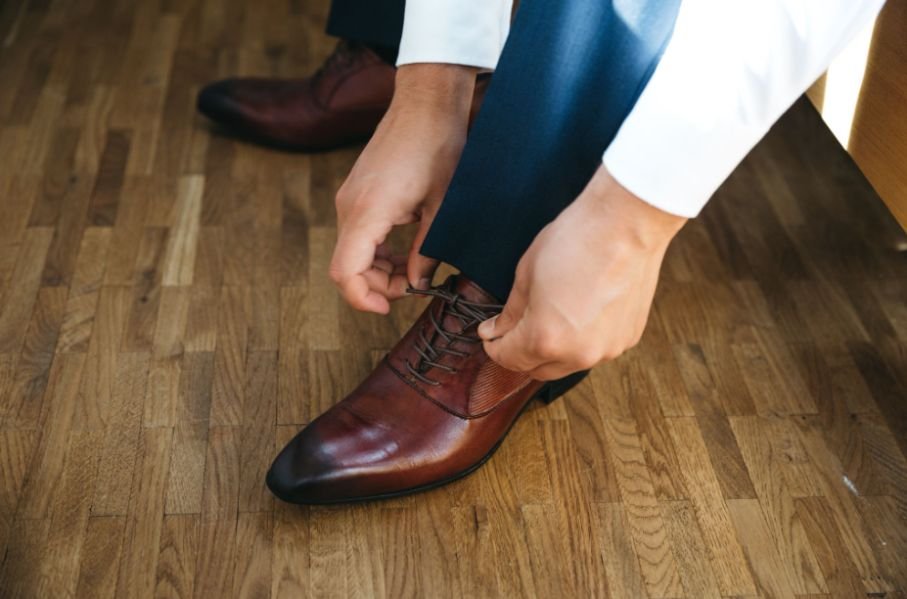
A polished pair of Oxfords can look perfect from across the room and still become unbearable before lunch. I have seen this happen when the shoe matches the foot in length but leaves almost no breathing room over the bridge. That hidden mismatch is why shopping for the best Oxford shoes for high-instep men requires more than checking the number printed inside the shoe.
For me, the real decision starts with the architecture. I look at the last’s shape, the vamp’s depth, the leather’s flexibility, the width grading, and how the closed-lacing system settles over the top of the foot. When those elements work together, an Oxford can deliver the sharp, formal look I want without constant pressure across the instep.
Why Do Oxford Shoes Feel Tight on a High Instep?
Traditional Oxford shoes use a closed lacing system. The eyelet sections are stitched underneath the vamp, creating the smooth and formal appearance that makes Oxfords popular for business suits, weddings, interviews, and formal events.
The drawback is adjustability.
Closed lacing cannot open as widely as the open-lacing construction found on Derby shoes. Cheaney’s fitting guidance specifically notes that Derby or Gibson styles offer more adjustment for people with higher insteps.
If the last is too shallow, I may feel pressure directly across the top of my foot. The lacing facings may also remain widely separated, creating the familiar V-shaped gap even when the shoe fits correctly in length.
Understanding the construction of this classic dress shoe also helps explain its place in formal wardrobes, and this guide to what Oxford shoes are used for explores the occasions and settings where their polished, closed-lacing design is most appropriate.
What Shoe Last Is Best for a High Instep?
The shoe last is one of the first things I check.
A last is the three-dimensional form around which the shoe is constructed. It controls the shape of the toe, heel, forefoot, and instep area.
For high-volume feet, I usually favor rounded, traditional, or generously proportioned lasts over extremely sleek and shallow silhouettes.
Cheaney’s 6184 last is a useful example. The company describes it as having slightly more width through the vamp and instep area, and it uses this last for its Harrington capped Oxford.
That does not mean one particular last will fit everyone. I use last information as a starting point rather than assuming that every Oxford from the same manufacturer will feel identical.
Are Wider Oxford Shoes Better for High Insteps?
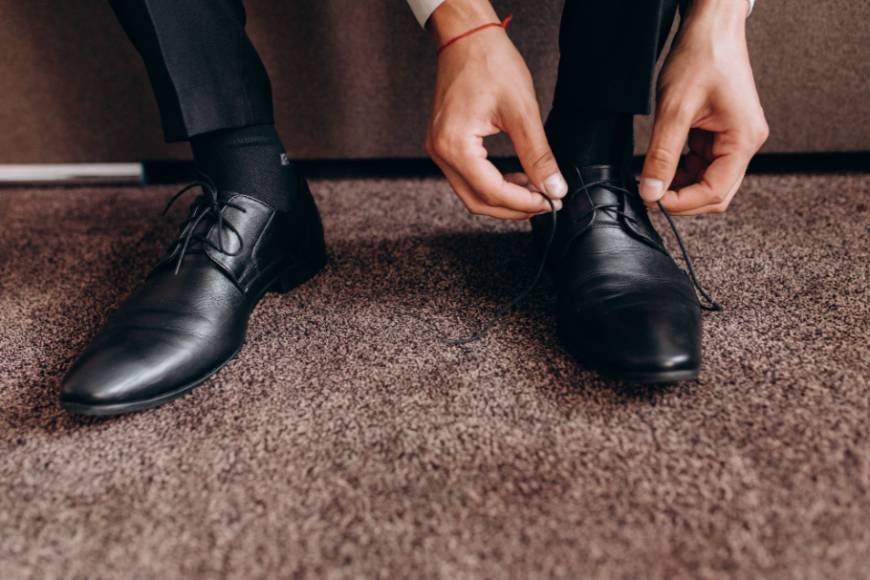
Sometimes, but not always.
This is where shoe buying gets confusing. A high instep and a wide foot are not the same thing.
Instep height describes the amount of vertical or circumferential room required through the midfoot. Width generally refers more closely to space around the ball of the foot.
A wider fitting such as E, EE, EEE, or G may provide additional overall volume depending on how the manufacturer grades its lasts. However, wider does not automatically mean higher over the instep.
I would therefore try a wider fitting before sizing up in length, but I would still check heel security and forefoot fit.
Buying a longer shoe simply to escape instep pressure can create heel slip and excessive space in front of the toes.
Which Leather Is Most Comfortable for a High Instep?
I prefer supple uppers whenever possible.
Soft full-grain calfskin can gradually conform to the contours of the foot better than extremely rigid corrected-grain or patent leather. Suede can also feel forgiving because of its softer structure, while some naturally flexible leathers may adapt comfortably during wear.
However, I never buy a painfully tight shoe expecting the leather to rescue the fit.
Leather can soften and conform modestly, but it will not transform a fundamentally shallow shoe into a true high-volume last. High-instep fitting guidance similarly warns against treating severe pressure as something that normal break-in will solve.
For men who need formal footwear for everyday professional settings, comfort and fit should remain priorities alongside appearance, which is why exploring these Oxford shoes for work can help when comparing styles suitable for regular office wear.
Can Wholecut Oxfords Be Better for High Insteps?
A wholecut Oxford can be worth trying, but I would not consider it an automatic solution.
Wholecuts use a single main piece of leather rather than multiple stitched panels. Because there are fewer seams across the upper, the shoe may feel smoother and somewhat more adaptable over the foot.
Still, the last remains more important than the seam count.
A sleek wholecut built on a shallow last can feel tighter than a traditional cap-toe Oxford built with generous instep volume. I would judge the shoe by its actual geometry rather than its style name.
Are Derby Shoes Better Than Oxfords for a High Instep?
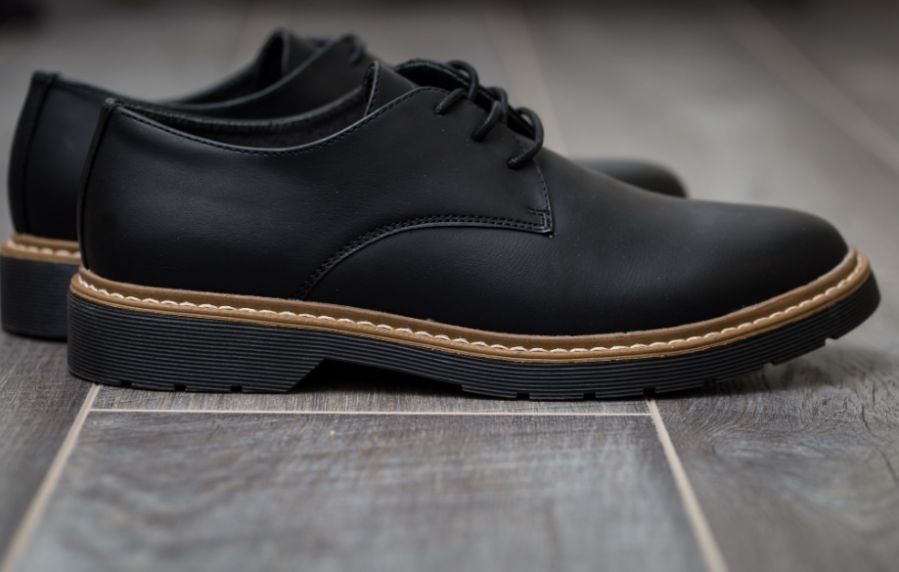
For pure adjustability, yes.
Derby shoes use an open lacing system with the eyelet sections stitched on top of the vamp. Those sections can spread farther apart, which allows more flexibility over a prominent instep.
Cheaney explicitly describes Derby construction as suitable for wider feet and higher insteps.
That makes Derbies an excellent alternative when standard Oxfords repeatedly feel restrictive.
I would still choose an Oxford for highly formal settings when I want the cleaner silhouette, but for daily office wear, business travel, or long hours on my feet, a Derby may be more forgiving.
How Can I Make Tight Oxford Shoes More Comfortable?
When an Oxford is only slightly tight rather than fundamentally too small, a few adjustments can help.
Try Straight-Bar Lacing
Straight-bar lacing creates clean horizontal lines instead of multiple visible diagonal crossings.
It also changes how tension is distributed across the tongue. Some lacing guides recommend it for people trying to reduce concentrated pressure over the instep.
I keep the middle portion of the lacing slightly looser rather than forcing the facings together.
Replace a Thick Insole With a Thinner One
A thick padded footbed occupies valuable internal space. If the shoe has a removable insole, switching to a thinner leather insert can sometimes lower the foot slightly and create more vertical clearance, especially if foot sole hardness is not a major comfort concern.
However, improving the fit is only one part of choosing comfortable formal footwear, especially for people who need additional support; understanding whether Oxford shoes are good for plantar fasciitis can also help buyers evaluate cushioning, stability, and overall foot comfort.
Removable insoles are commonly recommended for high-instep fitting because reducing footbed thickness can free up space above the foot. I would only do this if the replacement still provides adequate comfort, cushioning, and stability.
Ask a Cobbler About Instep Stretching
A professional cobbler may be able to stretch a leather upper locally around the vamp and instep.
I see this as a fine-tuning solution, not a cure for a badly fitting shoe. Stretching may help with mild localized pressure, but it cannot completely change the architecture of an undersized or low-volume last.
How Do I Know If My Oxford Shoes Fit Correctly?
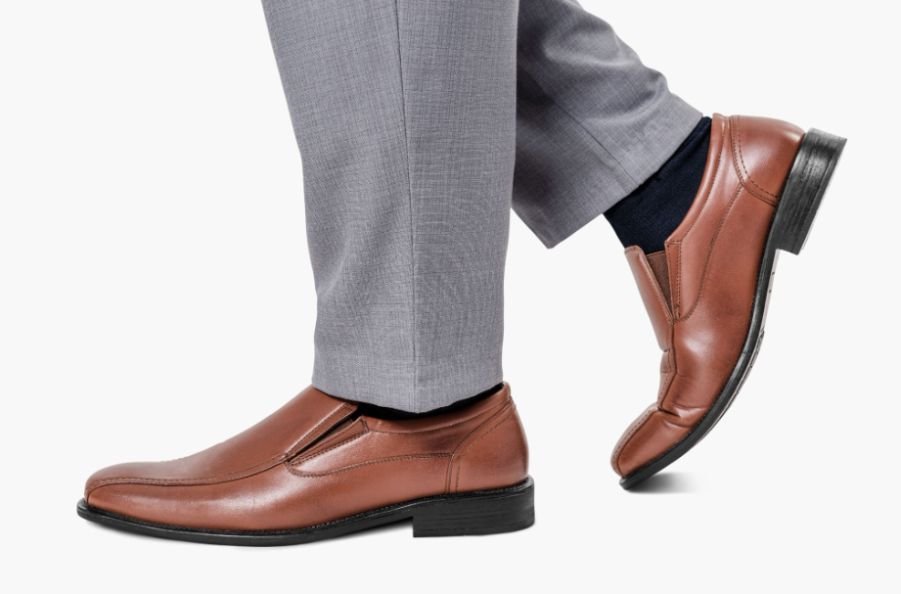
I always judge several areas together.
My heel should feel secure without excessive lifting. The ball of my foot should sit close to the shoe’s natural flex point. My toes should have enough room without sliding forward.
Most importantly, the vamp should not create numbness, burning, pinching, or heavy downward pressure.
A visible facing gap does not automatically mean the shoe is wrong. High-instep wearers may naturally show a wider Oxford facing gap, and forcing those facings completely closed can sacrifice comfort.
I would rather accept a modest gap than overtighten the shoe.
What Are the Biggest Mistakes High-Instep Men Make?
The first mistake is assuming that shoe length will solve every fit problem.
The second is treating high instep, high arch, and wide feet as interchangeable terms. They describe different aspects of foot geometry.
The third is buying extremely tight shoes because the salesperson says they will stretch.
Finally, I always test dress shoes with the type of socks I actually plan to wear. Thicker socks consume more internal volume, which can make an already snug Oxford feel dramatically tighter.
Frequently Asked Questions
1. What are the best Oxford shoes for high instep men?
The best Oxford shoes for high instep men usually combine a roomier last, adequate vamp depth, flexible leather, and several width choices. I prioritize the shape and internal volume of the shoe rather than choosing solely by brand.
2. Should I size up if my Oxford shoes hurt across the instep?
Usually not as my first move. I would try another last or width first because extra length can cause heel slip while leaving the real instep problem unresolved.
3. Can leather Oxford shoes stretch over a high instep?
Leather can soften and adapt modestly, but I would not expect it to correct severe pressure. A shoe that hurts immediately probably needs a different fit.
4. Are straight-bar laces better for a high instep?
They can help distribute tension differently and may reduce concentrated pressure. I also avoid pulling the laces aggressively through the middle eyelets.
5. Is a Derby better than an Oxford for high-volume feet?
A Derby usually provides more adjustment because its open lacing can spread farther over the instep. It is often the easier option when traditional closed-lacing shoes feel restrictive.
My Final Take
Finding the best Oxford shoes for high-instep men comes down to understanding volume rather than simply buying a larger size.
I look for generous lasts, adequate vamp depth, flexible uppers, useful width choices, and a secure heel. If a traditional Oxford still feels restrictive, I consider a wholecut with the right last or move to a Derby for more adjustability.
Small changes such as straight-bar lacing, a thinner removable insole, or professional stretching may improve a slightly snug pair, but I never use them to compensate for fundamentally poor fit.
When the shoe matches the actual shape of the foot, an Oxford can remain polished, formal, and comfortable enough for a full workday.