Are oxford shoes good for plantar fasciitis? Traditional, standard Oxford shoes are usually not the best choice because they are often flat, stiff, narrow, and low on shock absorption. However, modern orthopedic Oxford shoes can be highly effective when they include arch support, cushioned midsoles, deep heel cups, removable insoles, and wider toe boxes.
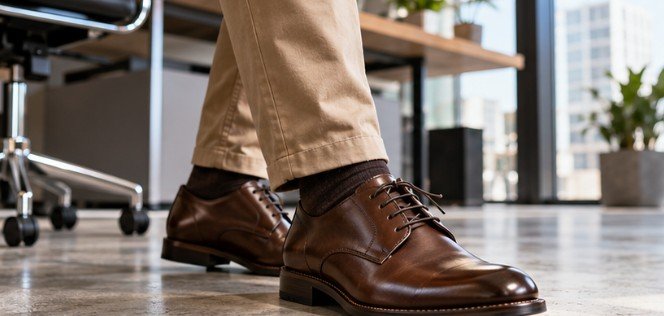
For many people in the US, this question matters because dress shoes are part of daily life. Office jobs, business meetings, weddings, church services, interviews, and formal events often call for polished footwear.
The good news is that you do not have to settle for heel pain just to look professional. You only need to understand which Oxfords help plantar fasciitis and which ones make it worse.
Why Standard Oxford Shoes Can Make Plantar Fasciitis Worse
Plantar fasciitis causes pain when the thick band of tissue under the foot becomes irritated or inflamed. This pain often feels sharp near the heel, especially in the morning or after standing for long hours.
Standard Oxford shoes can worsen this problem because many are designed for appearance first and comfort second. Classic leather Oxfords usually have flat footbeds, rigid outsoles, and slim toe boxes. That sleek shape may look elegant, but it can place extra stress on the plantar fascia.
Flat insoles are one of the biggest issues. Without proper arch support, the plantar fascia stretches repeatedly with every step. Over time, this can increase inflammation and heel pain. Hard leather soles also transfer impact directly into the heel because they offer little shock absorption.
Narrow toe boxes create another problem by compressing the toes and limiting natural foot alignment.
What Makes Modern Oxfords Better for Heel Pain?
Modern ergonomic Oxfords are different from traditional dress shoes. Many brands now design formal shoes with comfort technology hidden inside a professional-looking upper. These shoes still look appropriate for work or events, but they support the foot much better.
The most important feature is arch support. A supportive footbed helps reduce strain on the plantar fascia and keeps the foot in better alignment. Deep heel cups also matter because they stabilize the heel and reduce excessive rolling or pronation.
Cushioned midsoles are another major upgrade. Materials like EVA or other lightweight foams help absorb shock when walking on hard office floors, sidewalks, airports, or event venues. A flexible rubber outsole can also make the shoe easier to walk in than a stiff leather sole.
Removable insoles are especially useful. If the factory insole does not offer enough support, you can replace it with custom orthotics or premium over-the-counter inserts. This gives you more control over comfort without giving up your dress shoe style.
What to Look for in Oxford Shoes for Plantar Fasciitis
If you are shopping for dress shoes, do not choose based on looks alone. The best Oxford shoes for plantar fasciitis should feel stable, cushioned, and supportive from the start, especially if you also have flat feet.
Look for a contoured footbed with strong arch support. The shoe should support your arch without feeling painfully hard. A padded heel area or deep heel cup can help protect the heel and reduce pressure while walking.
A thick, flexible midsole is also important. It should absorb shock but still feel stable. If the shoe bends too much in the middle or feels completely flat, it may not give enough support.
Choose a roomy toe box whenever possible. Your toes should have enough space to spread naturally. This improves balance and helps reduce unnecessary pressure across the front of the foot.
I also prefer Oxfords with removable insoles because they allow easy upgrades. Inserts from brands such as Superfeet or OrthoComfoot may improve support if the shoe has enough interior depth.
Can You Upgrade Existing Oxford Shoes?
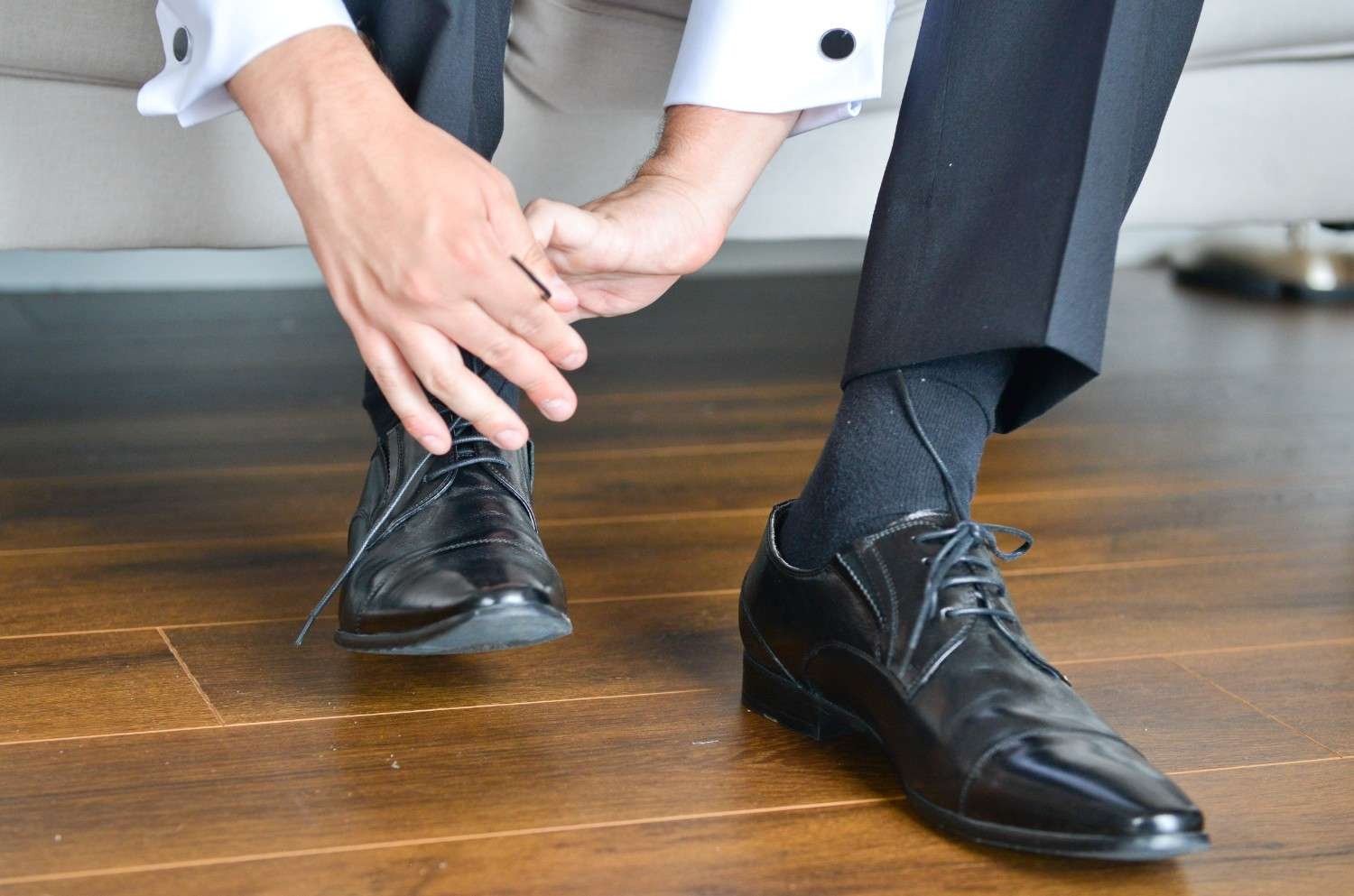
Yes, you may be able to improve a pair you already own. If your Oxford shoes are high quality and have enough room inside, remove the factory insole and add a plantar fasciitis-friendly orthotic insert.
This quick fix works best when the shoe already has a decent shape and enough depth. If the shoe is too narrow, too flat, or too stiff, an insert may not solve the problem. In fact, adding an insole to a tight shoe can create more pressure on the toes and top of the foot.
Before upgrading old Oxfords, check three things. Make sure the insole can be removed, the heel does not slip, and your toes do not feel cramped after adding the insert. If all three feel right, your existing shoes may become much more wearable.
Oxford Shoes vs Other Dress Shoes for Plantar Fasciitis
Oxford shoes can be a good option because the lace-up design holds the foot securely. This is better than some slip-on loafers that may allow the heel to move too much.
However, Derby shoes can sometimes feel more forgiving than Oxfords because they have open lacing. If you have high arches, swelling, or wide feet, Derby dress shoes may offer more adjustability.
Dress boots may provide more coverage and ankle stability, but they can also feel heavier. Sneakers usually offer more cushioning, but they do not always work for formal settings. That is why supportive Oxfords can be a smart middle ground for professionals who need comfort and polish.
Are Oxford Shoes Good for Plantar Fasciitis for Work?
Are oxford shoes good for plantar fasciitis when you stand or walk all day? They can be, but only if they are built with orthopedic or comfort-focused features. If you work in an office, school, hospital administration role, retail showroom, hotel, restaurant, or corporate setting, supportive Oxfords can help you maintain a professional look without increasing heel pain.
Avoid wearing brand-new Oxfords for a full workday immediately. Break them in gradually at home or during short outings. Wear supportive socks, rotate your shoes, and use orthotic inserts if needed. For ongoing heel pain, it is also smart to follow treatment guidelines for orthopedics and seek professional advice when symptoms do not improve.
What to Avoid When Buying Oxford Shoes
Avoid thin leather soles, flat insoles, pointed toe boxes, and stiff uppers. These features may look stylish, but they often make plantar fasciitis symptoms worse.
Do not buy shoes that feel tight during the first try-on. Dress shoes rarely become dramatically more comfortable if the structure is wrong. Also avoid shoes without return options, especially when buying online.
The right pair should feel secure but not restrictive. Your heel should stay stable, your arch should feel supported, and your toes should have room to move.
Frequently Asked Questions (FAQs)
1. Are traditional Oxford shoes bad for plantar fasciitis?
Yes, traditional Oxfords can be bad for plantar fasciitis if they have flat insoles, stiff soles, narrow toe boxes, and poor heel cushioning.
2. What type of Oxford shoes are best for plantar fasciitis?
Orthopedic or comfort-focused Oxfords with arch support, removable insoles, deep heel cups, EVA midsoles, and wide toe boxes are the best choice.
3. Can orthotic inserts help Oxford shoes?
Yes, orthotic inserts can improve Oxford shoes if the shoes have removable insoles and enough interior depth.
4. Should I wear Oxford shoes all day with heel pain?
You can wear supportive Oxfords all day if they fit well, absorb shock, and support your arch. Avoid stiff, flat, narrow styles.
Final Verdict
So, are oxford shoes good for plantar fasciitis? Traditional Oxfords are usually not ideal, but modern orthopedic Oxfords can be a strong option for people who need formal shoes with real foot support.
If you choose arch support, deep heel cups, shock-absorbing midsoles, removable insoles, and wide toe boxes, Oxford shoes can work well for plantar fasciitis. The goal is simple: understand the uses of oxford shoes and choose dress shoes that support your feet as well as your outfit.