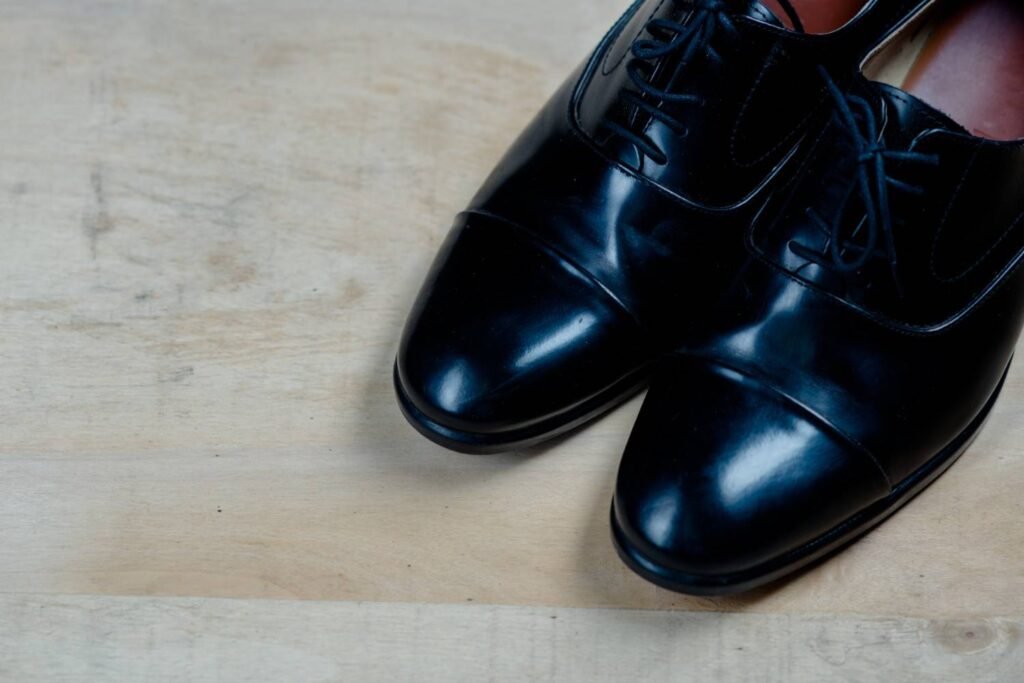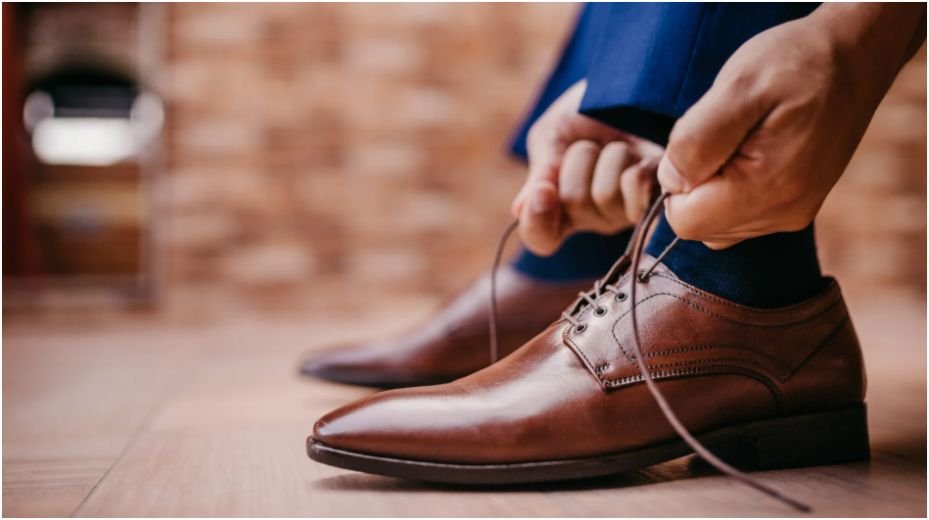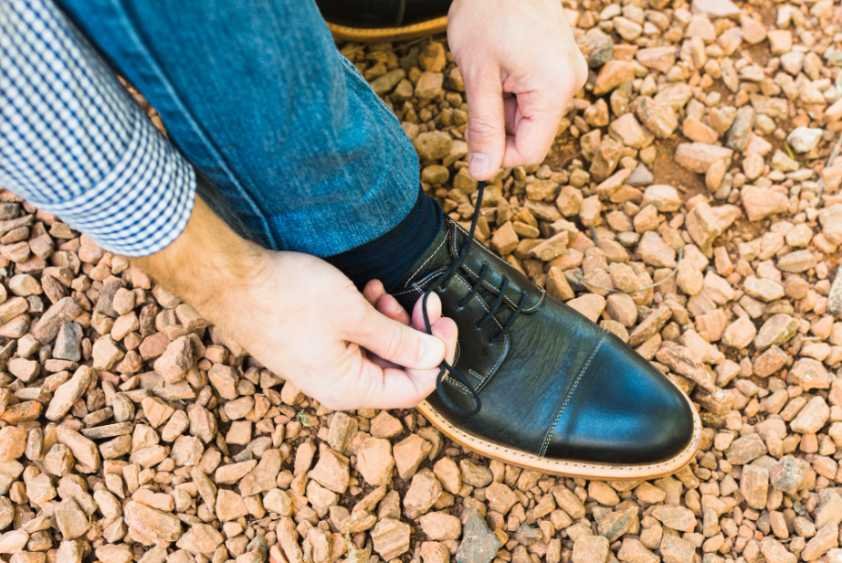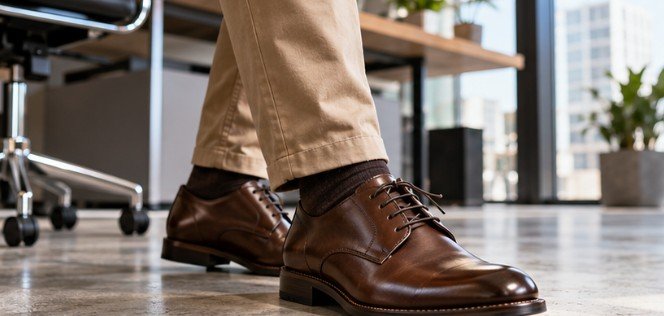
A shoe does not need laces to look professional. Several U.S. university career centers specifically list loafers among acceptable business-casual footwear, and some include them in business-professional wardrobes as well.
So, are loafers professional enough for work? In most American offices, yes. The bigger question is whether your particular loafers match the formality of your job.
A polished black leather loafer under tailored trousers can look entirely appropriate in a corporate office. A chunky suede loafer with a thick lug sole may communicate something very different. Material, shape, condition, socks, and the clothes surrounding the shoe matter almost as much as the shoe category itself.
Why Loafers Have Become Normal Office Shoes
Workplace dress codes are broader than they once were. “Business casual” can describe everything from chinos and button-down shirts to dark denim and knit polos depending on the employer.
That variation explains why judging loafers in isolation rarely works.
The Society for Human Resource Management notes that workplace dress standards depend heavily on industry, geography, company culture, client expectations, and the image an organization wants employees to present.
University career centers offer similar advice.
The Georgia Tech Career Center lists loafers and flats as normal business-casual footwear. The University of Illinois goes further, including loafers alongside Oxfords and other dress shoes within its business-professional recommendations.
The practical lesson is simple: loafers are no longer automatically casual. Their construction determines where they sit on the formality scale.
The Five-Second Loafer Formality Test
Before wearing a pair to work, evaluate five characteristics.
1. Look at the Material
Smooth leather gives loafers their strongest professional credentials.
Black calfskin, dark brown leather, burgundy leather, and other subdued finishes pair naturally with wool trousers, dress shirts, blazers, and suits.
Suede sits slightly lower on the formality scale. It works beautifully with chinos, tailored separates, knitwear, and relaxed business-casual outfits but may look too informal beside a conservative suit.
Highly distressed leather, woven uppers, canvas, or exotic colors usually move the shoe further toward casual territory.
2. Examine the Sole
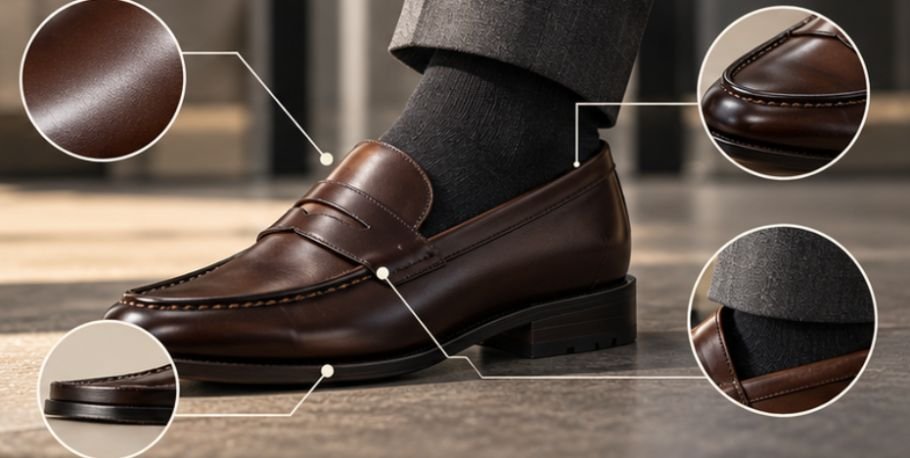
A thin leather or streamlined rubber sole usually looks more professional than a thick platform or aggressive lug sole.
This difference matters because the eye reads proportions before details. A slim loafer resembles traditional dress footwear. A heavily treaded loafer visually behaves more like a casual boot.
Neither design is inherently better. They simply belong in different offices.
3. Check the Decoration
Professional loafers are usually restrained.
Penny loafers are perhaps the safest all-purpose choice. Their simple strap works particularly well with chinos and tailored trousers.
Tassel loafers can look slightly dressier, especially in polished leather.
Horse-bit loafers also work well in sophisticated offices because their metal ornament adds refinement without overwhelming the shoe.
Oversized chains, bright metal hardware, contrasting soles, bold colors, and exaggerated details reduce versatility.
4. Check Their Condition
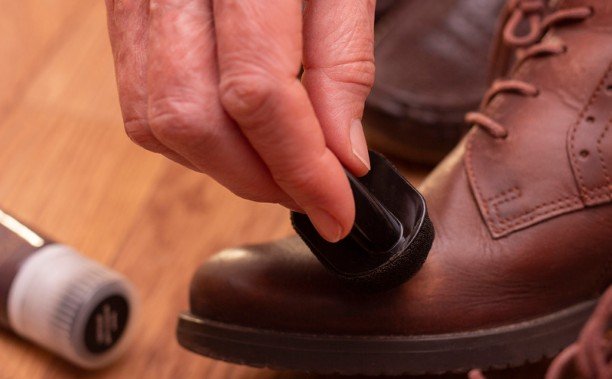
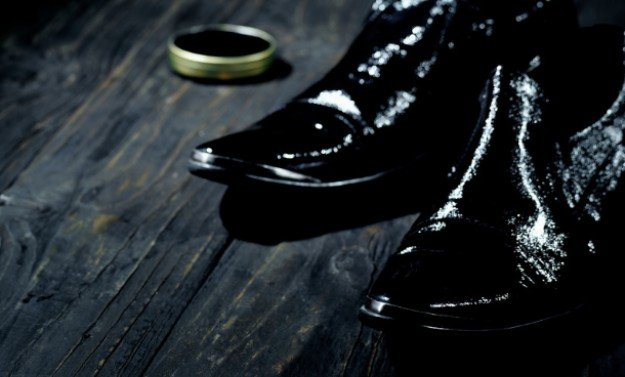
Even an expensive loafer stops looking professional once it becomes heavily scratched, dusty, collapsed, or badly creased.
The West Virginia University Career Services Center recommends business-casual attire that must be clean, polished leather or other dress-style shoes—including loafers—for business-casual situations.
Before leaving for work, check the toe, heel, edge dressing, and sole.
When evaluating pre-owned loafers for office wear, it is also important to inspect the construction around the sole and upper for signs of separation or deterioration.
Understanding how to check welt condition on used shoes enables you to identify potential structural weaknesses and assess a pair’s overall integrity before committing to a purchase or incorporating it into your regular footwear rotation.
If you are considering vintage leather loafers for your office wardrobe, inspect their construction, wear patterns, and overall condition before deciding whether they are worth purchasing.
This vintage dress shoes buying guide offers valuable insights into assessing pre-owned footwear for enduring elegance, superior craftsmanship, and long-term practicality.
A $120 shoe maintained properly often looks more office-ready than a neglected $500 pair.
5. Compare Them With the Rest of the Outfit

Shoes never operate alone.
Imagine dark brown penny loafers worn with navy trousers, a light-blue Oxford shirt, and a textured blazer. The loafers reinforce the outfit’s polished appearance.
Now put those same shoes under distressed jeans and an untucked T-shirt. Their meaning changes immediately.
Professionalism is largely contextual.
Where Different Loafers Fit at Work
| Workplace situation | Best loafer choice | Suitability |
| Smart-casual office | Leather or suede penny loafer | Excellent |
| Business-casual office | Leather penny, tassel, or bit loafer | Excellent |
| Client meeting | Dark polished leather loafer | Usually appropriate |
| Business suit | Sleek black or dark-brown leather loafer | Often appropriate |
| Formal interview | Conservative polished loafer | Depends on industry |
| Traditional law/finance environment | Very sleek leather loafer | Check company norms |
| Formal ceremony or highly conservative event | Oxford dress shoe | Safer choice |
Texas A&M’s Career Center similarly includes loafers among appropriate business-casual footwear while recommending darker, more conservative footwear for business-professional situations.
Are Loafers Professional Enough for Work With a Suit?
They can be. A sleek leather loafer worn with a contemporary navy or charcoal suit can look sophisticated rather than casual, particularly in offices where ties are optional. But proportion becomes important.
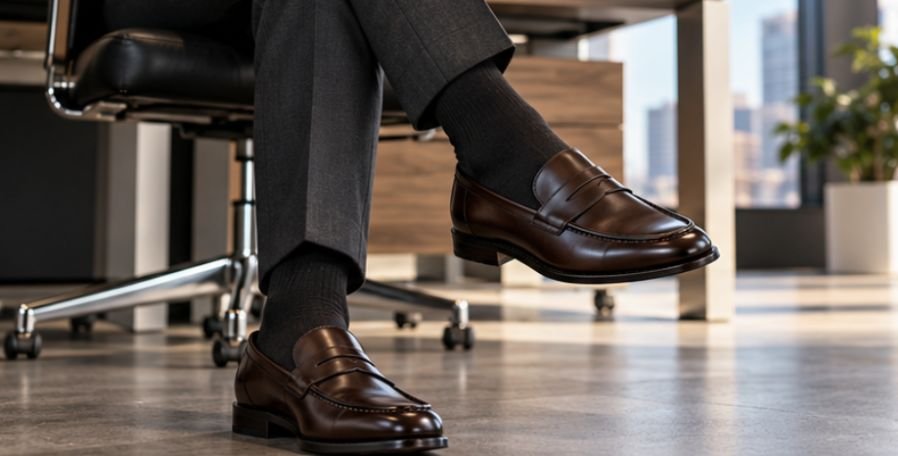
Choose a narrow or moderately rounded toe, restrained decoration, smooth leather, and a relatively slim sole. Wear proper dress socks that cover the ankle when sitting.
Choosing the right number of suits to complement versatile office footwear can also help you build a more practical professional wardrobe. This guide on how many suits a man should own for work explores how to balance wardrobe variety with everyday workplace needs.
The bare-ankle look frequently seen with summer tailoring is better reserved for social events or casual workplaces.
One useful rule is to compare your loafer with an Oxford shoe. The closer its shape, finish, and sole thickness are to traditional dress footwear, the easier it becomes to wear formally.
When Lace-Up Shoes Are Still the Safer Decision
Loafers have limits.Very traditional law offices, investment firms, executive board meetings, conservative government environments, formal ceremonies, and certain job interviews may still favor Oxfords or restrained Derby shoes.
This does not mean a loafer is technically “wrong.” It means the cost of appearing slightly underdressed may outweigh the benefit of wearing the more relaxed option.
For an unfamiliar interview, CareerOneStop advises candidates to investigate what employees wear and generally dress one level above normal workplace expectations. Its interview guidance also recommends polished black or brown shoes with dark socks for traditional professional situations. That is sensible advice for loafers too.
The One-Level-Up Rule for Choosing Work Loafers
If you are unsure what your office considers professional, use this process.
First, look at senior employees who work directly with clients. Their clothing usually reveals the upper end of the acceptable dress range.
Next, examine footwear rather than entire outfits. If managers regularly wear leather loafers, Chelsea boots, or minimalist dress shoes, conservative loafers are unlikely to cause trouble.
Then dress one level more formally for important occasions.
A suede penny loafer might become a polished brown leather loafer for a presentation. The brown loafer might become a black leather loafer for an executive meeting. A conservative Oxford might replace it entirely for a highly formal interview.
This approach keeps you from applying one shoe rule to every situation.
Professional Loafers Versus Casual Loafers
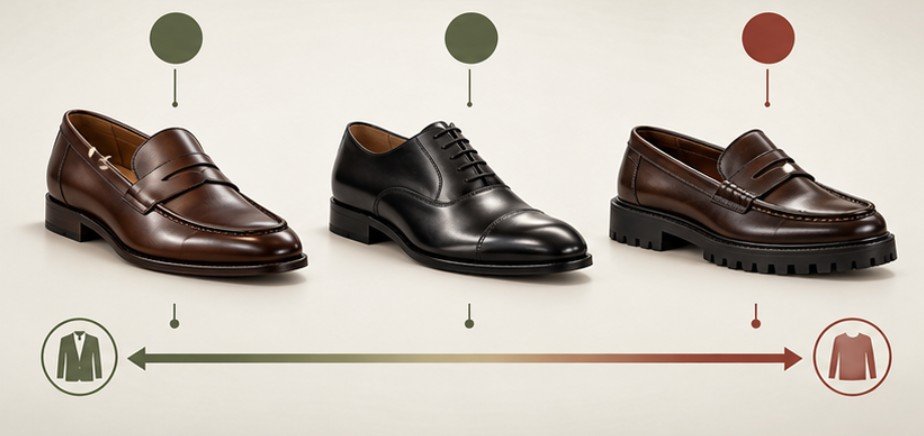
One common misconception is that the word “loafer” automatically indicates a relaxed shoe. It does not.
A hand-finished leather tassel loafer and a chunky platform loafer technically share the same footwear category while sending completely different visual messages.
Focus on these professional characteristics: dark or neutral colors, smooth leather, restrained hardware, moderate toe shape, slim construction, intact heels, and clean uppers.
For more relaxed offices, suede, thicker soles, brighter colors, and casual textures become easier to wear.
What About Socks?
For traditional office outfits, socks remain the safest choice.
Wear dress socks with suits and tailored trousers, particularly when meeting clients or attending formal meetings. Ideally, your socks should be long enough that bare skin does not appear when you sit.
No-show socks can work with cropped chinos in relaxed summer offices, but they deliberately make the outfit look less formal.
When you are uncertain, visible dress socks are the professional default.
Frequently Asked Questions
1. Can men wear loafers to a business-casual office?
Yes. Leather penny, tassel, and horse-bit loafers pair particularly well with chinos, dress trousers, button-down shirts, polos, sweaters, and blazers.
2. Are loafers acceptable for a job interview?
Often, but industry matters. Sleek polished leather loafers can work in many offices, while conservative finance, law, or executive interviews may favor Oxfords or Derby shoes.
3. Can loafers be worn with a business suit?
Yes. Choose streamlined black, burgundy, or dark-brown leather loafers with thin soles and subtle detailing. Dress socks help preserve the suit’s formal appearance.
4. Are suede loafers professional?
They can be professional in smart-casual and business-casual workplaces. Smooth leather is generally safer for formal meetings, suits, interviews, and conservative corporate environments.
The Shoe Matters Less Than the Signal It Sends
So, are loafers professional enough for work? For most modern U.S. workplaces, absolutely—but professionalism comes from execution rather than the absence or presence of shoelaces.
Think about the message the entire shoe sends. A dark, polished, understated loafer says deliberate and well dressed. A worn, bulky, highly decorative pair may say weekend even when worn with office trousers.
If you are building a work wardrobe from scratch, start with a dark brown or black leather penny or tassel loafer. Keep it polished, wear it with tailored clothing, and let your workplace culture determine how far you can relax from there.