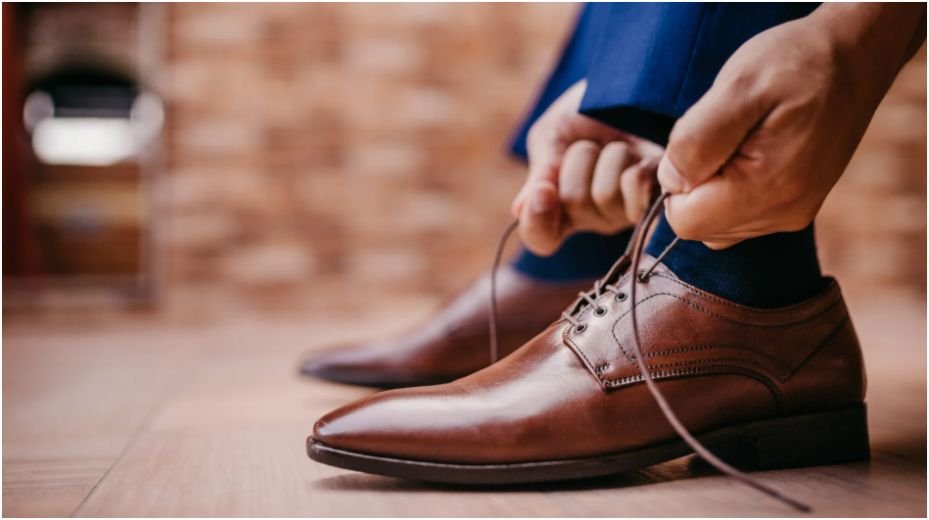
Learning how to choose men’s leather dress shoes saves you from wasting money on stiff, shiny shoes that look good online but feel awful in real life. I judge a pair by one question first: will these still look sharp after 100 wears?
A great dress shoe should fit your foot, match your dress code, age well, and survive more than one season. Price matters, but value matters more.
Start With Real Leather Quality
The leather decides how the shoe creases, breathes, shines, and ages. The FTC says leather-like materials should not be misrepresented, which matters because some shoes use coatings or synthetic finishes that look polished but lack natural durability.
Full-Grain Leather Is the Best Starting Point
Full-grain leather keeps the natural grain surface. It usually develops better patina and handles long-term wear better than heavily corrected leather. I prefer it for serious dress shoes because it looks richer after polishing.
Top-Grain Leather Can Still Work
Top-grain leather has been sanded to remove marks. It can look smooth and clean, but it may not age with the same depth as full-grain leather. It is fine for office shoes if the finishing is not overly plastic.
Avoid Overly Corrected Leather for Daily Wear
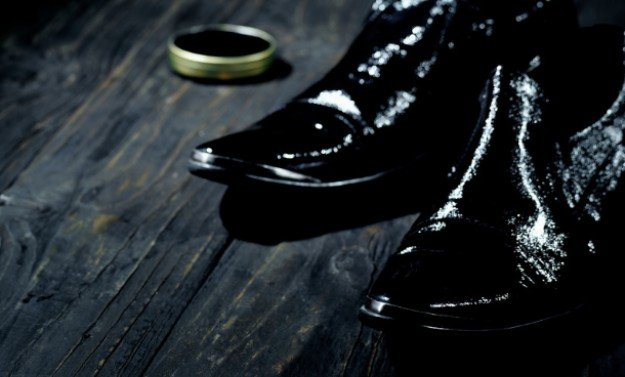
Corrected or patent leather can look glossy at first. The problem is breathability. Heavy coatings may crack faster and hide lower-quality leather underneath.
Check the Construction Before the Style
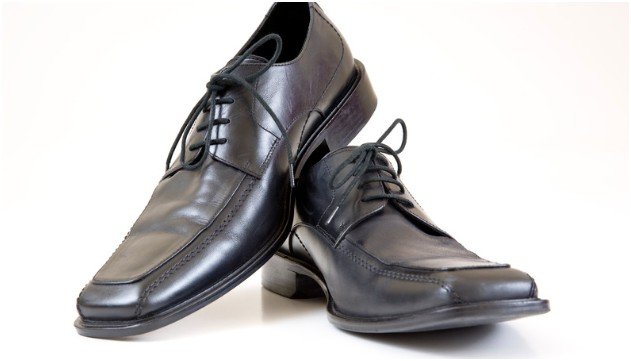
A beautiful shoe with poor construction is just an expensive disappointment.
Goodyear Welt Dress Shoes
Goodyear welt construction is one of the best choices for long-term value. Allen Edmonds says its 360-degree Goodyear Bench Welt uses a leather welt around the shoe and cork filling that molds over time.
This is my favorite construction for formal shoes because it can often be resoled. It also gives the shoe structure and better long-term durability.
Blake Stitch Dress Shoes
Blake stitch shoes feel lighter, sleeker, and more flexible. Beckett Simonon’s Oxford shoes use full-grain leather and are designed with a refined shape.
I like Blake stitch construction for dressier city shoes, especially when you want a slim profile.
Cemented Shoes
Cemented shoes are glued instead of stitched. They are usually cheaper, but they are not built for repeated resoling. I would only choose them for occasional wear or a tight budget.
Match the Shoe Style to the Dress Code
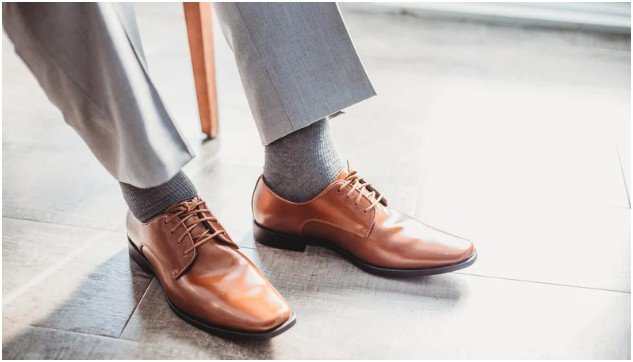
This is where many men get it wrong. The shoe may be good, but the occasion may be wrong.
Oxford Shoes for Formal Outfits
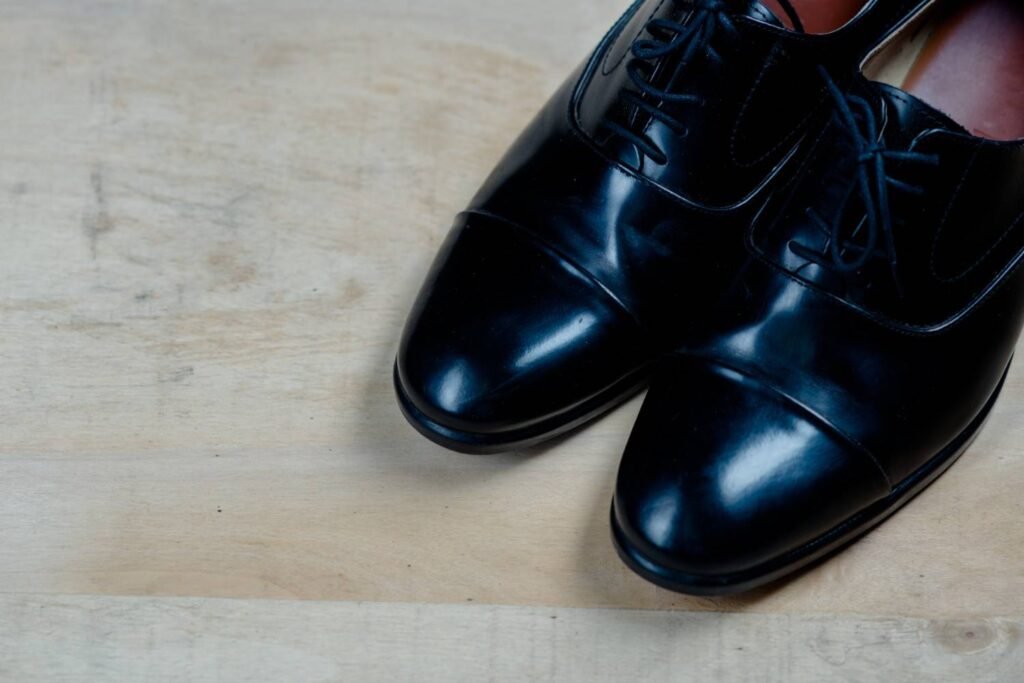
Oxford shoes have closed lacing, which makes them sleek and formal. Black cap-toe Oxfords work best for interviews, weddings, funerals, formal offices, and dark suits.
Allen Edmonds Park Avenue is a classic example. It is known for formal styling and recrafting support, making it a strong starter shoe for a professional wardrobe.
Derby Shoes for Versatility
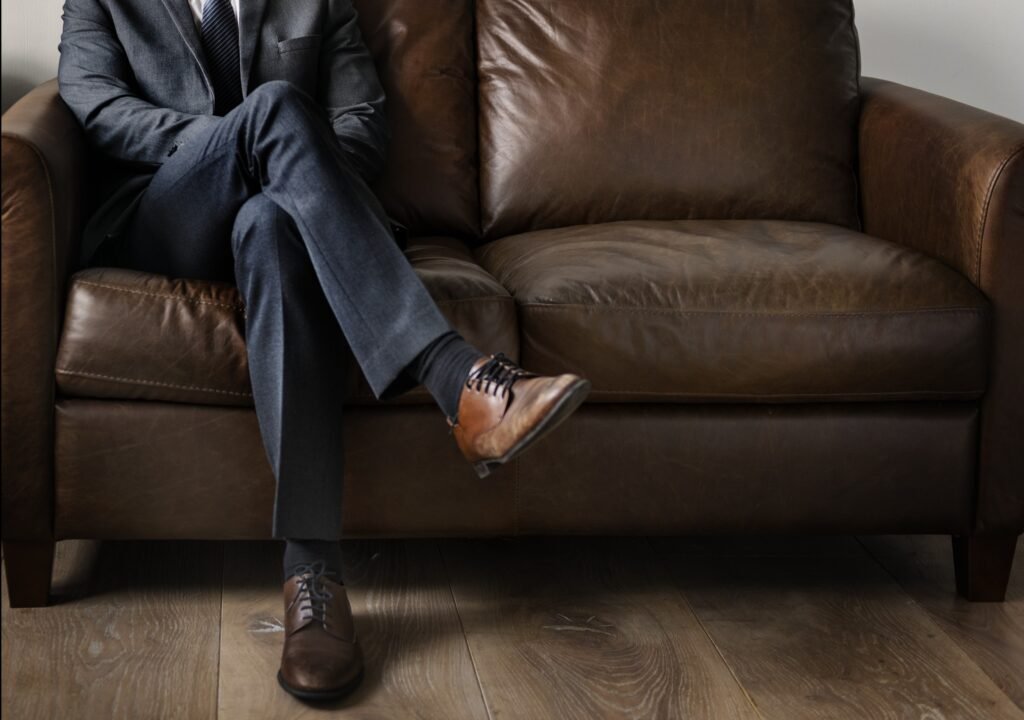
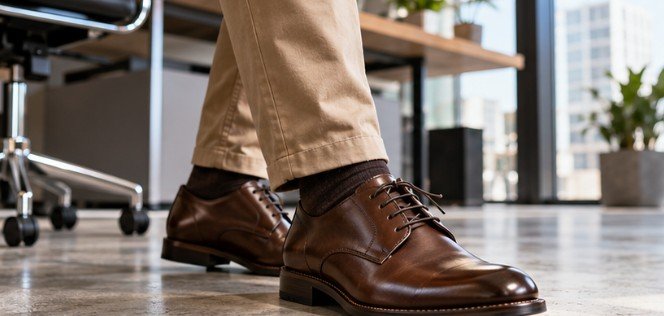
Derby shoes have open lacing, so they feel slightly more relaxed. I would choose dark brown or oxblood Derby shoes for business casual offices, chinos, textured suits, and smart denim.
Monk Straps for Personality
Monk straps use buckles instead of laces. They work well when you want polish without looking too traditional. Double monks look sharp with navy suits and tailored trousers.
Loafers for Smart Casual Style
Loafers are slip-on shoes. Penny loafers and tassel loafers pair well with summer suits, chinos, and relaxed office outfits. They are less formal than Oxfords but more polished than sneakers.
Choose the Right Color First
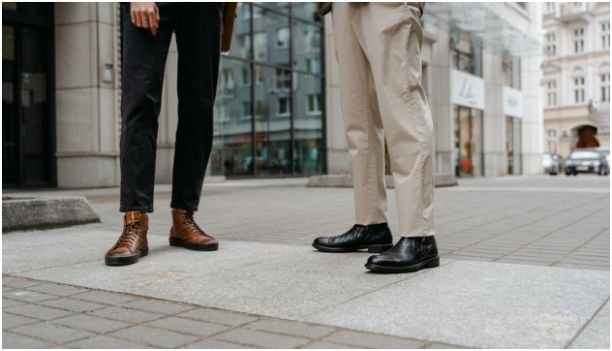
Color should match your wardrobe, not your mood alone.
Black leather dress shoes are best for black, charcoal, and dark navy suits. They are the safest formal choice.
Dark brown and oxblood are more versatile for most wardrobes. They pair well with navy, grey, tan, tweed, and business casual outfits.
Tan and light brown feel more casual. I would wear them with light suits, khakis, jeans, and warm-weather outfits.
Fit Matters More Than Brand Name
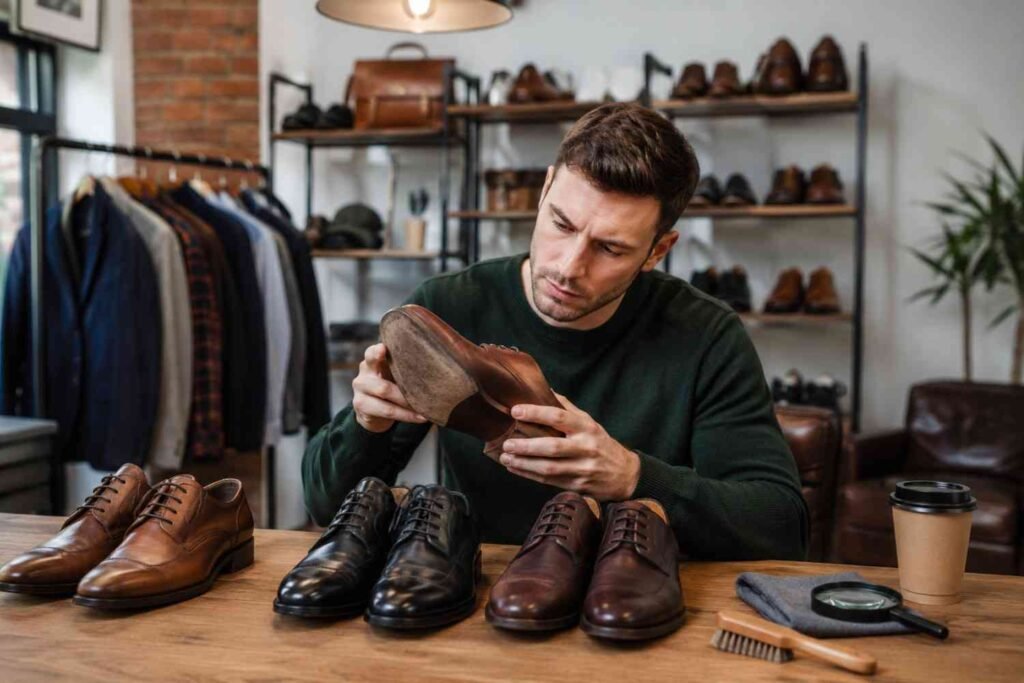
A premium shoe that pinches is still a bad shoe. When I test fit, I check heel grip, toe room, width, and instep pressure.
Your toes should not touch the front. The widest part of your foot should sit at the widest part of the shoe. Slight heel movement is normal at first, but your heel should not slide out.
If you have wide feet, look for width options. Many American dress shoe brands offer D, E, and EE widths. That matters more than forcing yourself into a narrow “sleek” shape.
Look at the Sole
Leather soles look elegant and formal. They are best for suits and indoor settings.
Rubber soles give better grip and comfort. They work well for commuting, wet sidewalks, and long office days.
Combination soles offer a good middle ground. I like them for men who want formal style without slipping on polished floors.
Use Cost Per Wear Before You Buy
Here is my personal buying rule. A $400 Goodyear welt shoe worn 200 times costs $2 per wear before resoling. A $90 glued shoe worn 30 times costs $3 per wear and usually ends up in the trash.
That is why a higher upfront price can be smarter. You are buying structure, leather, comfort, and repair potential.
Good Starter Pairs to Compare
If you want specific examples, use these as reference points, not hard rules.
The Allen Edmonds Park Avenue Cap-Toe Oxford usually sits around $395–$425. It is a formal full-grain calfskin Oxford with 360-degree Goodyear welt construction and recrafting support.
The Beckett Simonon Dean Oxford usually sits around $239–$259. It offers full-grain leather, a refined shape, and a more accessible price point.
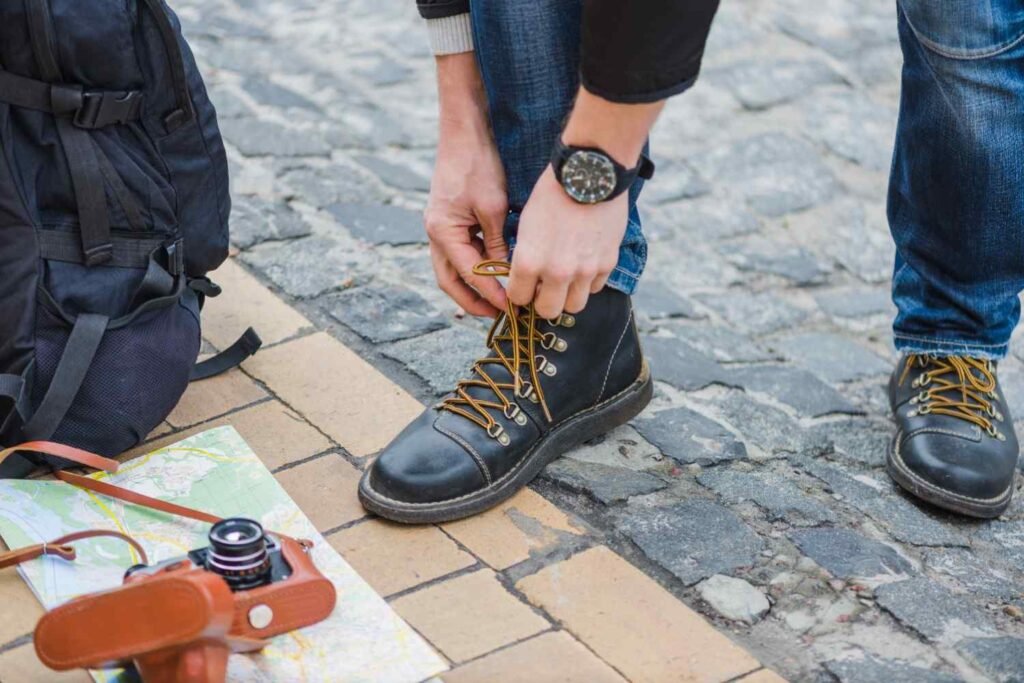
The Grant Stone Diesel Boot usually costs about $435. It uses Goodyear welt construction and Chromexcel leather options, making it better for smart casual wear than strict formal events.
Quick Reference Table
| Feature | Best Choice | Best For |
| Leather | Full-grain leather | Long-term wear and patina |
| Construction | Goodyear welt | Durability and resoling |
| Formal style | Oxford | Suits, weddings, interviews |
| Versatile style | Derby | Business casual and smart casual |
| Casual dress style | Loafer | Chinos, summer suits, relaxed offices |
| Safest color | Black | Formal outfits |
| Most versatile color | Dark brown or oxblood | Navy, grey, tan, and business casual |
| Best value test | Cost per wear | Smarter buying decisions |
FAQs
1. What is the best first pair of men’s leather dress shoes?
A black or dark brown cap-toe Oxford is the safest first pair for formal and business use.
2. Are Goodyear welt shoes worth it?
Yes, they are worth it if you want shoes that can be resoled and worn for years.
3. What color dress shoes are most versatile?
Dark brown is usually the most versatile because it works with navy, grey, tan, and casual trousers.
4. How do I know if leather dress shoes fit correctly?
They should feel snug, not painful, with toe room, secure heel grip, and no sharp pressure points.
Final Strut: Buy Once, Look Dangerous
The smartest way to choose men’s leather dress shoes is simple: judge the leather, construction, fit, style, and color before you judge the logo. I would rather own one excellent pair that gets better with age than five shiny pairs that collapse after a season.
Start with full-grain leather, choose Goodyear welt construction if your budget allows, and pick a style that matches your real life. Your shoes should not just complete the outfit. They should quietly announce that you know exactly what you are doing.