A shoe-care session should end with supple leather, not fingerprints clinging to the toe box. When I notice that gummy feeling, I resist reaching for another cream or a stronger cleaning product. The first priority is figuring out what remains on the surface.
To fix leather shoes that feel sticky after conditioning, start by removing excess gently, checking the product’s instructions, and giving the shoes appropriate drying time. Most mild cases involve leftover conditioner. However, persistent stickiness can indicate an incompatible product or a damaged finish, which needs a different approach.
Why Do Leather Shoes Feel Sticky After Conditioning?
Leather conditioner can leave residue when you apply more than the surface can absorb. Finished leather has a protective coating that can slow absorption, so a generous application may remain greasy or tacky.
Previous layers of shoe cream, wax polish, and waterproofing products can complicate matters. Applying conditioner over that buildup may leave an uneven surface, particularly around creases, stitching, and brogue holes.
Timing also matters. Some conditioners need several hours before excess removal; others require earlier brushing. A shoe that feels slightly tacky during the recommended absorption period does not automatically need aggressive cleaning.
What Should You Check Before Removing the Residue?
Identify the leather and the product you applied. This guide primarily covers smooth, finished leather. Suede leather type, nubuck, patent leather, and specialty finishes require compatible care methods.
Read the conditioner label for absorption time, buffing instructions, and material restrictions. Avoid assuming that instructions for one cream also apply to an oil-based conditioner.
Inspect the shoes under good light. Greasy smears suggest surface residue, while peeling, unusual color transfer, or a gummy coating may indicate finish problems. These clues guide your next step but cannot confirm the cause alone.
How Do You Remove Sticky Conditioner From Leather Shoes?
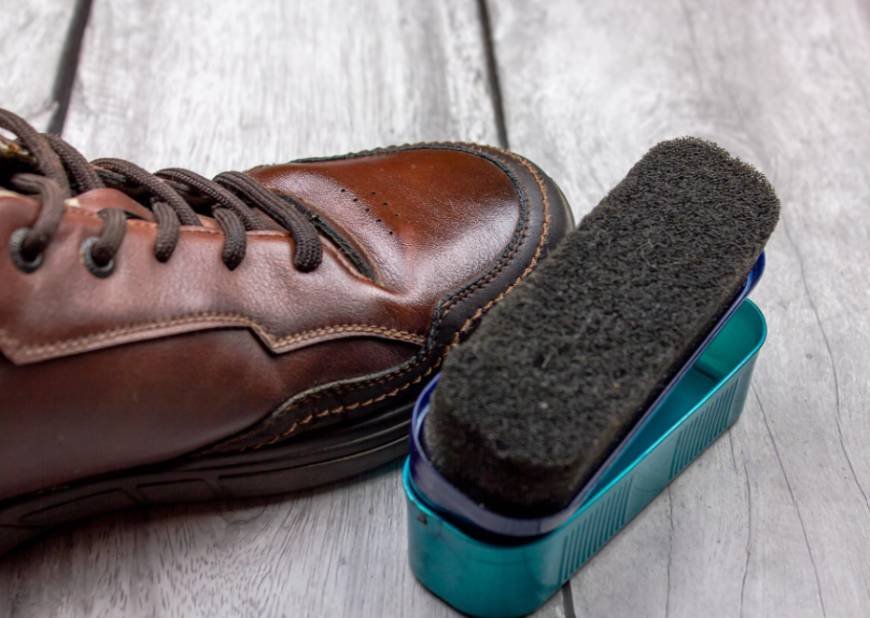
Start With a Clean, Dry Cloth
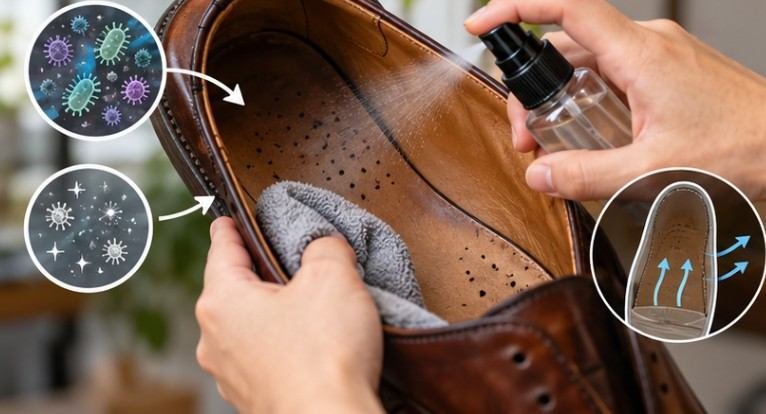
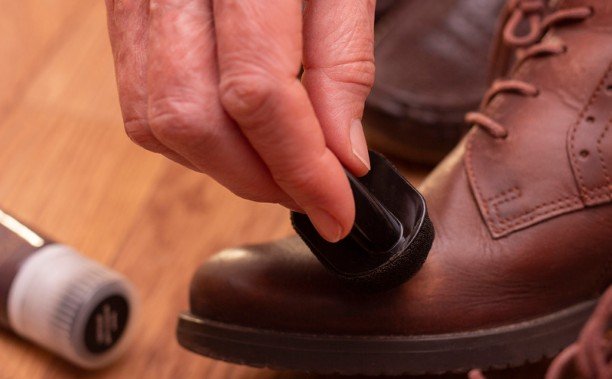
Remove the laces and support the shoes with properly fitting shoe trees. Gently wipe the uppers with a soft, lint-free cloth, turning it frequently so you lift product rather than spread it around.
Pay attention to seams, flex creases, and the edges of the tongue. Use light pressure; vigorous rubbing can disturb the finish.
If the cloth collects oily residue and the surface becomes less sticky, continue gently until improvement slows.
Allow the Recommended Absorption Time
If you recently applied conditioner, follow its stated waiting period before judging the result. Leave the shoes at room temperature with reasonable airflow.
Keep them away from radiators, hair dryers, and direct sunlight. Heating the leather to force faster drying can create additional problems.
After the recommended interval, wipe away remaining excess. Waiting may help freshly applied product settle, but it will not necessarily remove established buildup.
Buff With a Clean Shoe Brush
On suitable smooth leather, lightly brush with a clean horsehair brush after removing excess and following the product instructions.
A brush already loaded with polish can add another layer, so check it first. Brushing helps distribute and remove light residue; it cannot repair a failing coating.
If the leather still looks dull or develops a hazy film after buffing, the problem may involve excess product or an uneven buildup of polish rather than insufficient shine. Explore why leather shoes look cloudy after polishing to identify possible causes and learn how to approach the finish without adding unnecessary products.
Avoid adding wax polish until the surface feels dry and stable.
Use a Compatible Cleaner When Necessary
To fix leather shoes that feel sticky after conditioning when wiping and buffing fail, consider a leather cleaner approved for the shoe’s finish.
Test a tiny amount in a concealed area and let it dry before proceeding. Check for lasting darkening, discoloration, roughness, or finish lifting.
Apply cleaner according to its label, usually in small amounts with a cloth. Reassess after drying instead of repeatedly cleaning without checking the result.
What Should You Avoid Putting on Sticky Leather?
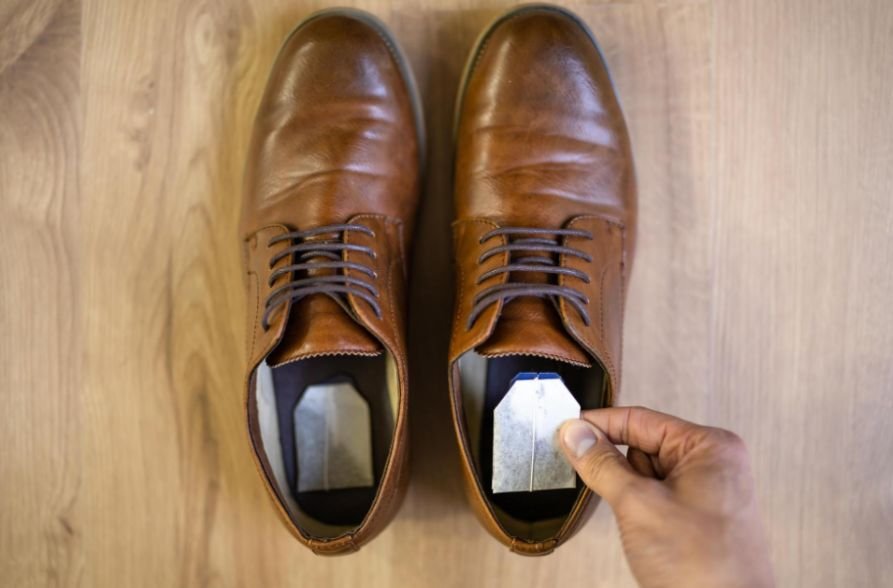
Do not add conditioner to hide tackiness. More product can increase buildup and make assessment harder.
Avoid treating rubbing alcohol, acetone, dish soap, vinegar, or household adhesive removers as universal leather cleaners. A product used to remove glue stains from clothes may not be suitable for leather shoes. Compatibility varies, and some products can affect dyes or protective coatings.
Absorbent powders also deserve caution. They can lodge in textured surfaces and stitching. A remedy intended for a particular leather should not become a default treatment for every dress shoe.
When Does Stickiness Need Professional Attention?
Stop cleaning if the surface peels, becomes rough, or transfers unexpected amounts of color. Persistent or returning tackiness may involve the finish rather than removable conditioner.
A cobbler or leather repair specialist can assess whether cleaning, product removal, or refinishing is appropriate. Bring the conditioner container and explain what else you applied.
A professional assessment is especially important if the sticky finish is accompanied by cracking, peeling, or visible deterioration, since these symptoms may require more than residue removal. Learn whether cracked leather dress shoes can be repaired to understand which types of damage may be repairable and when specialist restoration is worth considering.
How Can You Prevent Conditioner Buildup?
Remove dirt before conditioning and apply a thin, even layer. Assess the leather’s condition instead of adding cream after every wear.
Follow the product’s instructions, remove excess, and buff with clean tools. Keep separate cloths for cleaning, conditioning, and polishing.
Proper storage also helps maintain leather shoes between wears without encouraging unnecessary product buildup. Follow these tips on how to store leather dress shoes between wears to promote airflow, protect the shoes from excess moisture, and preserve their condition between uses.
Frequently Asked Questions
1. Can I fix leather shoes that feel sticky after conditioning without cleaner?
Often, yes. Gentle wiping, appropriate absorption time, and light buffing may remove mild excess. Cleaner becomes an option when residue remains.
2. Should I Condition Again After Cleaning?
Only if the leather needs it after drying. Do not automatically replace every layer you remove.
3. Is White Residue the Same as Stickiness?
Not always. Wax accumulation can leave pale deposits, especially on textured leather.
My Final Take
I would begin with a clean cloth and patience rather than reach immediately for a stronger cleaner. Checking the leather finish, following the conditioner’s instructions, and reassessing between steps helps me avoid turning a small residue problem into a larger repair.
If gentle wiping and buffing improve the surface, I would give the shoes time to settle before applying anything else. If tackiness persists, returns, or appears alongside peeling and unusual color transfer, I would stop experimenting and ask a cobbler to assess the finish.
For future care, I would focus on thin applications, clean tools, and conditioning only when the leather needs it. The result I want is supple leather with a clean, dry feel—something another layer of product cannot always deliver.