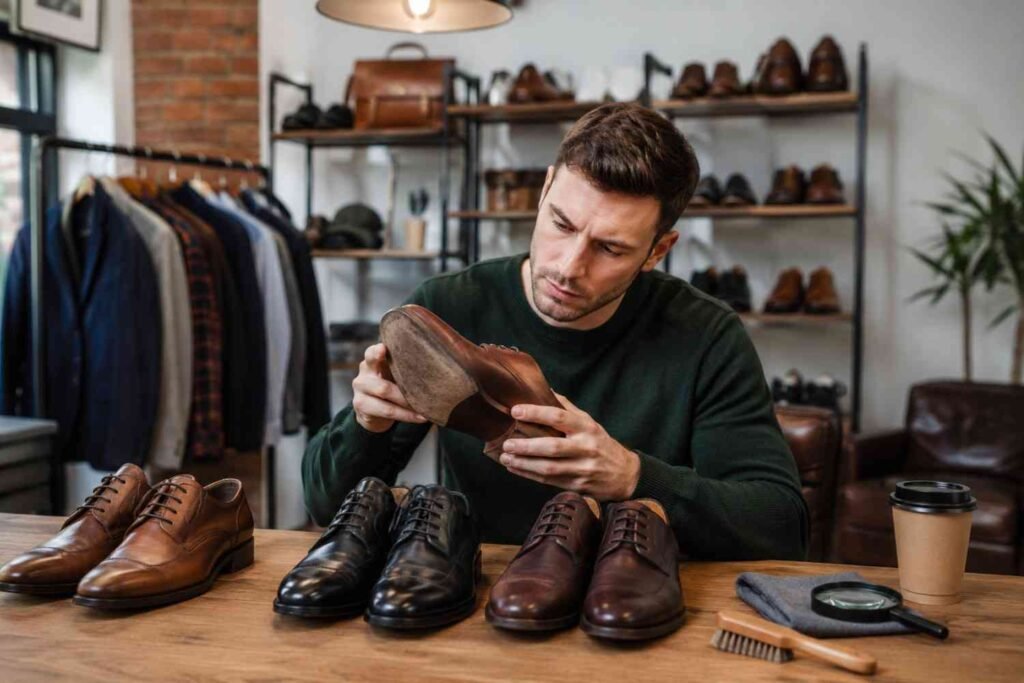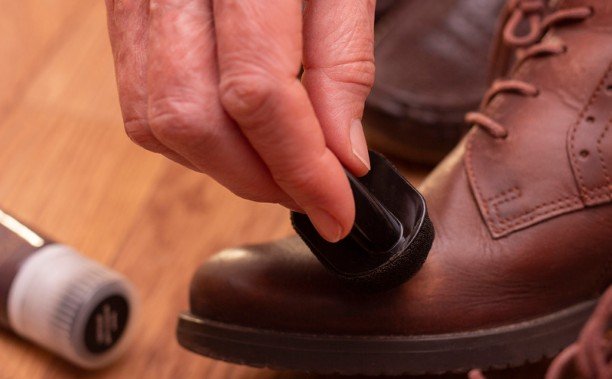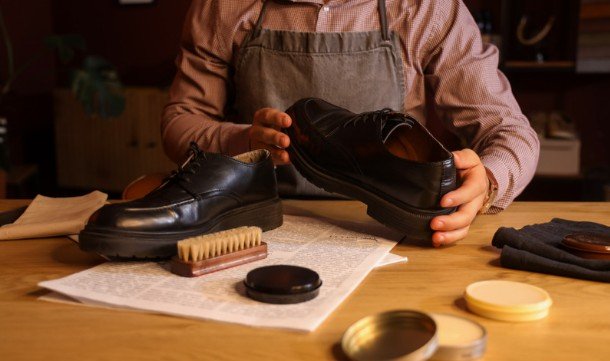
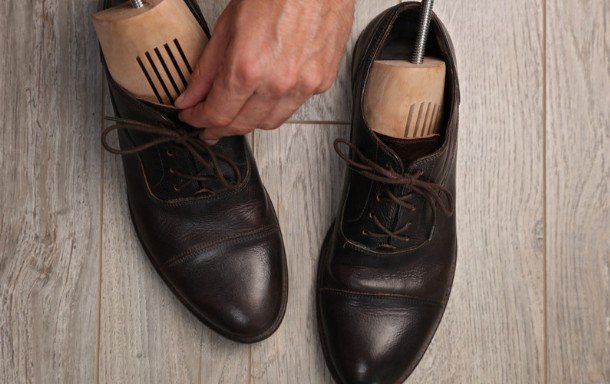
I approach a smelly pair of leather shoes differently from washable sneakers. Before reaching for a spray, I check whether the odor comes from damp lining, removable insoles, or something trapped during storage. That small inspection helps me avoid treating expensive leather with an unsuitable cleaner.
Understanding how to remove odors from leather shoes starts with controlling moisture and cleaning the right material. The following routine focuses on gentle treatment, realistic drying time, and habits that prevent smells from returning.
What Makes Leather Shoes Smell?
Perspiration, skin residue, and trapped moisture create conditions where odor-producing microorganisms thrive. Wearing one pair repeatedly without allowing it to dry can make the problem worse.
However, a leather upper does not guarantee a leather interior. Fabric, foam, and synthetic linings can retain moisture differently. Removable footbeds may hold much of the smell even when the surrounding shoe appears clean.
New shoes can also smell of leather, finishing products, or adhesives. That scent requires a different approach from ordinary foot odor. A musty smell accompanied by visible spotting deserves closer inspection.
Check the Interior Before Cleaning

Identify the Lining Material
Check the manufacturer’s product information or care label. Smooth leather, suede-like interiors, and textile linings need different cleaning methods. A product suitable for the outer leather may be unsuitable for the footbed.
Remove Only Detachable Insoles
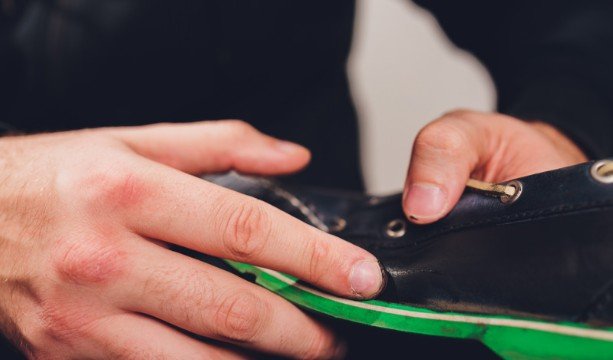
Take out removable insoles and inspect both sides. Never pull up a glued sockliner or structural insole. Clean detachable components according to their instructions, and consider replacing inserts that remain unpleasant after drying.
A Gentle Routine for Fresher Leather Shoes
Start With Airflow
Loosen the laces, open the tongue, and place shoes somewhere dry with good ventilation. A room-temperature fan can encourage airflow without heating the leather.
Allow at least overnight drying, and longer if the interior remains damp. Keep shoes away from radiators, hair dryers, and strong sunlight. Drying time depends on humidity, construction, and how wet the shoes became.
Remove Dust and Residue
Once the interior is dry, use a soft brush or dry cloth to remove lint and loose debris. A low-suction vacuum attachment can help with accessible corners.
Work gently around stitching and edges. Removing residue first reduces the temptation to scrub harder or add unnecessary liquid.
Wipe Compatible Linings Carefully
For smooth, finished leather lining, begin with a dry cloth. If care instructions permit, test a barely damp cloth on a hidden area before wiping visible residue.
The cloth should leave minimal moisture. Avoid saturating seams, the toe box, or glued components. Allow the shoe to dry completely afterward.
For textile or synthetic interiors, follow the shoe manufacturer’s directions when you clean the inside of leather dress shoes, rather than assuming the whole shoe is washable.
Choose a Suitable Deodorizer
If drying and wiping do not sufficiently reduce the smell, choose a product specifically approved for the lining material.
Follow the label’s application instructions and test discreetly first. A leather cleaner, fragrance spray, and disinfectant serve different purposes; do not assume one product performs all three.
What Can Help Overnight?
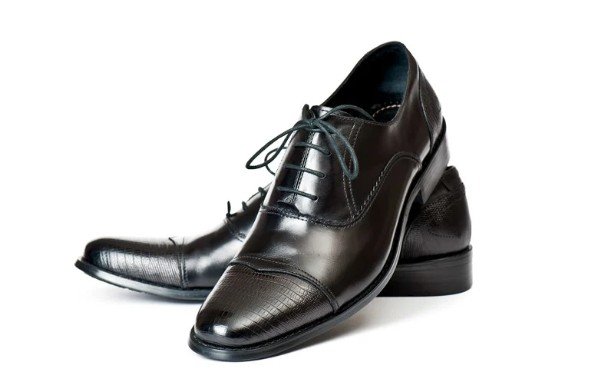
A contained odor absorber offers a convenient option while shoes rest. Purpose-made charcoal sachets or removable deodorizing inserts avoid leaving loose material throughout the interior. Follow their instructions and replace or refresh them when required.
If using baking soda, keep it in a securely closed, breathable sachet rather than pouring large quantities directly into leather-lined shoes. Remove it before wearing. Powder can become difficult to clear from seams and porous surfaces.
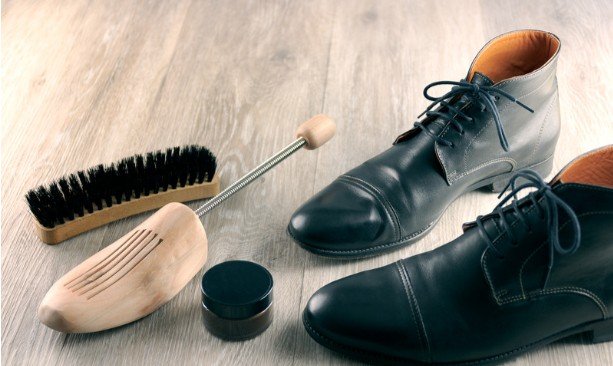
Cedar shoe trees help maintain shape and may assist moisture management. They support regular care, but they should not be presented as disinfectants or guaranteed cures.
Popular Remedies That Need Caution
When learning how to remove odors from leather shoes, avoid assuming every household hack suits every pair. Alcohol can alter finishes and affect adhesives. Vinegar introduces acidity and moisture, so neither belongs in a universal cleaning routine.
Essential oils and dryer sheets can add fragrance without resolving dampness or residue. Oils may also mark delicate materials. Tea bags are not a dependable substitute for compatible cleaning, particularly when wet. Freezing should not be described as reliable sterilization.
Avoid washing machines, soaking, and aggressive scrubbing. Handmade or painted leather needs especially careful handling around decorative finishes.
Stop the Smell From Returning
Store footwear in a ventilated area instead of sealing damp shoes inside plastic containers. Inspect removable inserts regularly and address moisture before adding fragrance. If odor returns immediately after cleaning, reassess the lining and footbed. A cobbler can advise on replacement components. Musty shoes with visible spotting may need professional assessment.
Frequently Asked Questions
1. What Is the First Step in Learning How to Remove Odors From Leather Shoes?
The first step in learning how to remove odors from leather shoes is identifying the lining, then drying the interior thoroughly.
2. Can I Remove Shoe Odor Overnight?
Mild smells may improve overnight, but damp interiors and deeply affected inserts can require longer treatment.
3. Should I Wash Leather Shoes?
Avoid immersion or machine washing unless the manufacturer explicitly permits that method.
4. Will Cedar Trees Eliminate Every Smell?
No. They complement drying and maintenance but cannot replace cleaning or damaged inserts.
My Final Take
I prefer patient drying and gentle cleaning over repeatedly adding stronger products. Checking the lining first makes the process more controlled. With regular rotation, clean socks, and appropriate storage, keeping leather shoes fresh becomes a manageable routine.