Sneaker prices have become unpredictable. A pair that sits quietly on a shelf today can become a collector favorite years later, while another pair surrounded by release-day excitement may lose attention within months. Anyone who has watched sneaker prices change knows that value is rarely based on looks alone.
A smart resale shoe value guide looks beyond hype and focuses on the details that actually influence long-term worth. Demand, condition, cultural relevance, quality, and timing all work together to decide whether a pair keeps climbing or slowly loses its appeal.
Why Sneaker Resale Value Changes Over Time
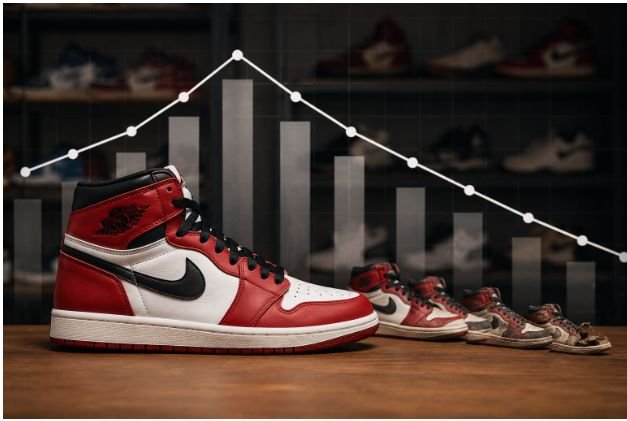
The sneaker resale market moves because people constantly redefine what feels rare, meaningful, or desirable. Similar to collectible items, prices shift when buyer interest changes. A limited release might create excitement at first, but lasting value usually depends on whether people still care about that sneaker years later.
Some shoes become valuable because they represent a specific moment. Others maintain interest because of strong design, comfort, or a connection to sports, music, or fashion culture. A sneaker with a powerful story often has more staying power than one built only around temporary hype.
Market demand also changes as new releases appear. When collectors move toward newer styles, older pairs can either fade away or become harder to find, creating renewed interest.
Supply and Demand Still Control Sneaker Prices
Availability is one of the biggest factors behind sneaker resale prices. When brands release fewer pairs than buyers want, competition naturally increases. Limited production numbers often create stronger resale demand because collectors know not everyone can own that pair.
However, scarcity alone does not guarantee long-term value. A shoe still needs consistent interest. Some limited sneakers lose popularity because the demand disappears after the initial excitement.
Restocks can also change pricing quickly. When a previously rare sneaker becomes available again, resale prices often decrease because buyers have more options. On the other hand, releases that never return usually have better chances of maintaining collector attention.
Even sizing plays a role. Certain sizes become harder to find because fewer pairs exist or more buyers want them. This explains why two people selling the same sneaker in different sizes may see different market values.
Brand Reputation and Cultural Influence Matter

A sneaker’s story can be just as important as its materials. Certain collaborations, athlete connections, and cultural moments create emotional value that goes beyond ordinary footwear.
Artist partnerships and designer collaborations often perform well because they connect sneakers with larger communities. When a pair represents music, fashion, sports history, or a major creative movement, collectors may continue searching for it years after release.
Original colorways and heritage designs also tend to attract long-term interest. Shoes connected to memorable moments usually develop stronger collector appeal because they represent something bigger than a trend.
This is why some older models remain valuable while newer releases disappear quickly. A strong identity can protect a sneaker from short-term changes in fashion.
Condition Plays a Bigger Role Than Most People Expect
Condition has a direct impact on sneaker resale value. Two identical pairs can have completely different prices depending on how they were stored, worn, and maintained.
Deadstock sneakers, meaning pairs that remain unworn and factory fresh, usually receive the highest valuations. Collectors often prefer shoes that include the original box, extra laces, tags, and accessories because these details preserve authenticity and completeness.
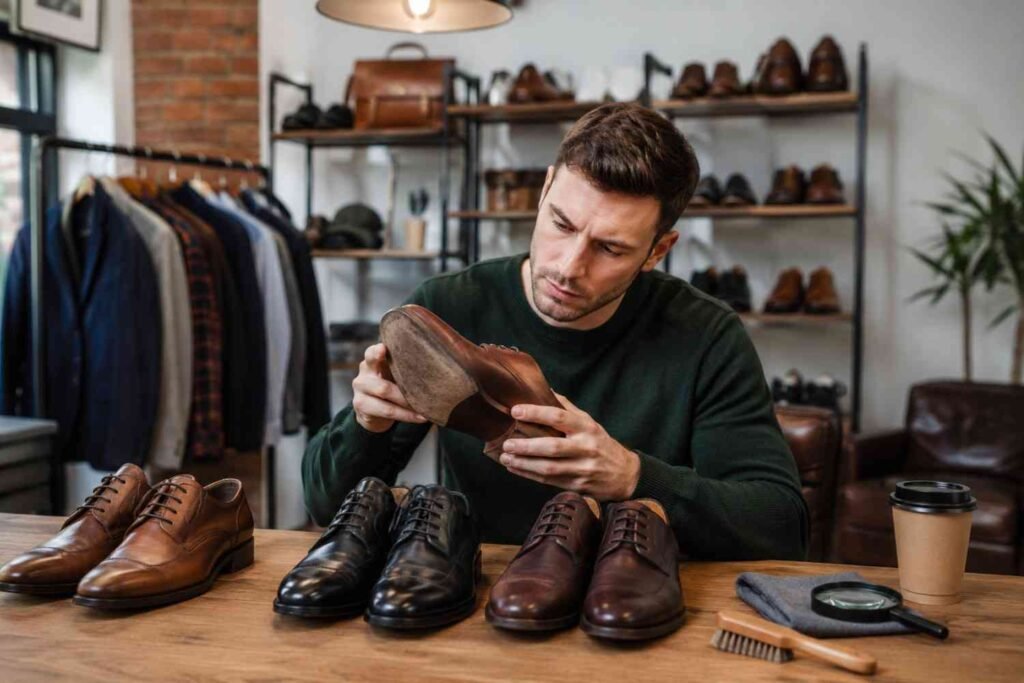
Used sneakers can still hold value, but buyers look closely at:
- Creasing, stains, and sole wear
- Original packaging and missing accessories
- Material condition and storage quality
Before listing or purchasing a pair, many collectors follow a resale shoe inspection checklist to evaluate important details like authenticity markers, overall condition, and included original items.
Small details matter because buyers want confidence. A damaged box, missing accessories, or poor storage history can reduce the final selling price even when the sneakers themselves look clean.
Materials and Footwear Construction Influence Long-Term Worth
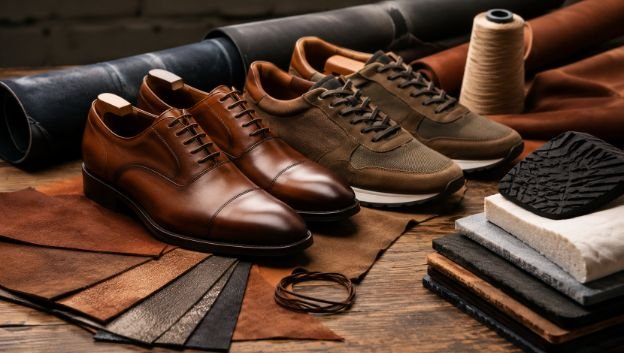
Quality plays a major role in whether sneakers age well. Premium materials, careful footwear construction, and durable designs often help pairs maintain their appearance longer.
Leather quality, stitching, sole structure, and fabric choices all influence how a sneaker looks after years of storage or wear. Some materials naturally age better, while others break down over time.
Sneakers are not permanent objects. Certain midsoles can weaken after years due to material degradation, especially when pairs remain untouched for too long. Collectors often consider whether an older shoe is still wearable or mainly valuable as a display piece.
Oxidation is another factor. Clear soles, lighter materials, and specific plastics may change color naturally over time. Sometimes this lowers value, but certain collectors appreciate aged details when they add vintage character.
How Timing Changes Sneaker Resale Prices
Timing can completely change what a sneaker is worth. Many pairs experience their closest attention around release day because excitement is fresh and availability feels limited.
After release, prices may drop when many sellers list their pairs at once. As supply slowly decreases and pairs become harder to find, certain sneakers may gradually increase again.
Long-term value usually depends on patience. Some collectors hold pairs for years because they believe cultural importance and rarity will grow. Others prefer selling early before trends change.
Understanding sneaker market trends helps buyers recognize the difference between short-term excitement and lasting demand. The strongest pairs usually combine rarity, quality, and continued cultural relevance.
Why Authentication Builds More Buyer Confidence
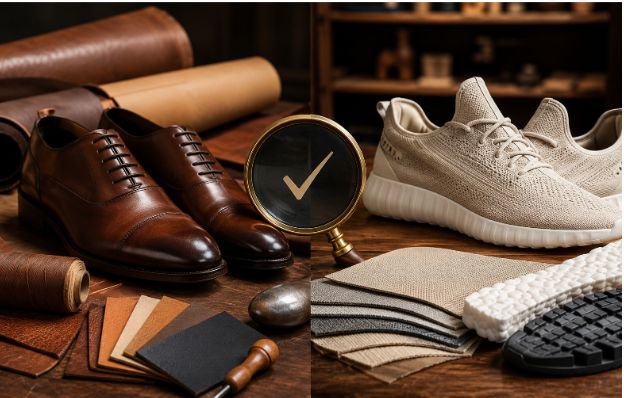
Trust is a major part of the resale market. As sneaker values increased, buyers became more careful about authenticity and product history.
Original receipts, verified platforms, accurate product details, and clear photos can improve buyer confidence. Authenticity checks protect both collectors and sellers by confirming that a sneaker matches official production details.
A trustworthy selling experience often leads to better results because buyers feel more comfortable paying premium prices.
Frequently Asked Questions: Resale Shoe Value Guide: What Really Impacts Sneaker Prices Over Time
What increases sneaker resale value?
Limited availability, strong demand, cultural relevance, good condition, and original packaging can increase sneaker resale value. Shoes connected to important collaborations or historical moments often perform better over time.
Do worn sneakers still have resale value?
Yes, worn sneakers can still have resale value if they remain in good condition. Clean materials, minimal damage, and included original items can help preserve their worth.
Why do some limited sneakers lose value?
Limited sneakers can lose value when demand decreases, trends change, or brands release additional stock. Rarity works best when people continue wanting the product.
Is keeping sneakers unworn always better?
Keeping sneakers unworn usually protects resale value, but long-term storage matters. Poor storage conditions can damage materials even if the shoes are never used.
Why Certain Sneakers Keep Their Place Over Time
The sneakers that remain valuable usually offer more than limited availability. They carry a combination of thoughtful design, cultural meaning, quality construction, and lasting demand. Collectors often remember the story behind a pair just as much as the release numbers or original price.
Sneaker value changes constantly, but the pairs with real significance usually find a way to stay relevant.