Buying or selling pre-owned shoes has become much more detailed than simply checking whether a pair looks clean. A shoe might appear almost new in photos, but small details like weak stitching, worn cushioning, or mismatched labels can tell a completely different story once you inspect it closely.
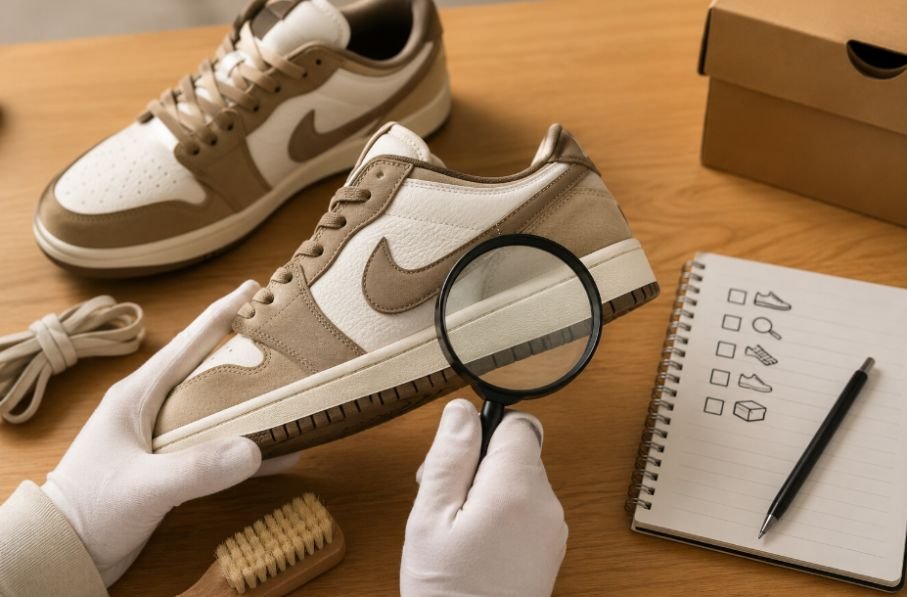
A good resale shoe inspection checklist helps remove the guesswork. Whether someone is adding a rare pair to their collection, buying everyday footwear, or preparing shoes for resale, knowing what to review creates a fair experience for both sides. Careful inspection protects value, improves transparency, and helps people understand the real condition behind every pair.
Why a Proper Shoe Inspection Matters Before Resale
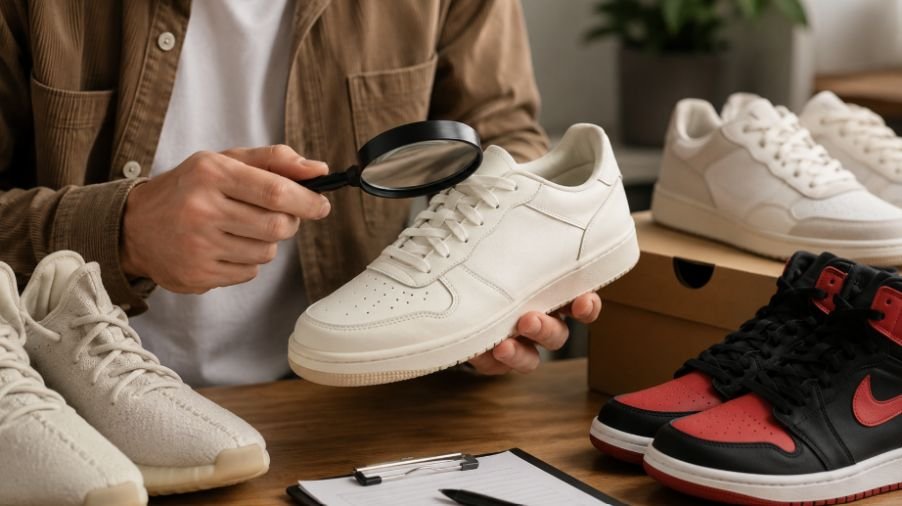
The resale market depends heavily on trust. Buyers want confidence that they are receiving authentic shoes in the described condition, while sellers need accurate information to price items fairly. Small details can affect everything from comfort to long-term durability.
A complete inspection focuses on three main areas: authenticity, condition, and originality. Authenticity confirms whether the shoes match genuine brand standards. Condition reveals visible and hidden wear. Originality checks whether packaging, accessories, and details match the original release.
Looking beyond surface appearance also supports smarter shopping habits. A pair with minor cosmetic marks may still offer excellent cost-per-wear, while shoes with hidden construction issues may not last long even if they look attractive.
Start With Labels, Tags, and Authenticity Details
Labels are one of the first areas worth checking because they contain important product information. Authentic shoes usually have clean printing, proper spacing, accurate fonts, and consistent placement. Poor alignment, unusual lettering, or incorrect information can signal potential issues.
Review the size tag inside the shoe and compare details like the product code, manufacturing information, and model details with official brand information. The code on the shoe should match the information found on the original box.
Branding details also deserve attention. Logos, symbols, and design elements should appear sharp and properly positioned. Uneven cuts, unclear markings, or unusual logo shapes can reveal quality concerns.
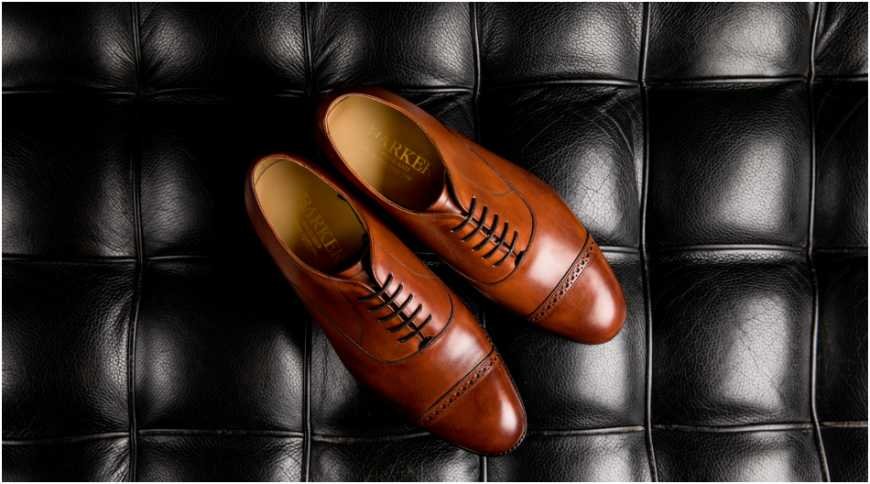
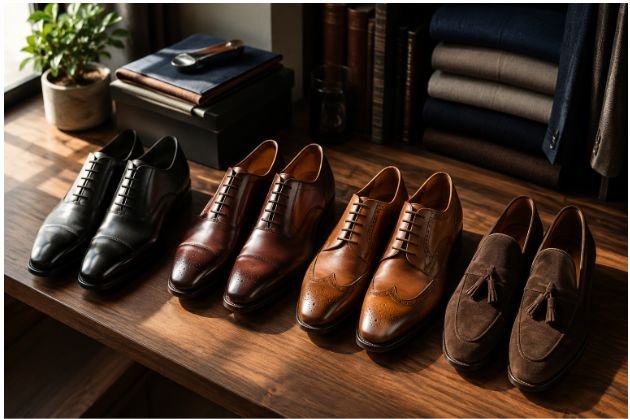
For premium footwear, material details matter even more. Learning how to authenticate leather shoes can help buyers recognize differences in texture, flexibility, stitching, and overall craftsmanship before making resale decisions.
Review Packaging and Original Accessories
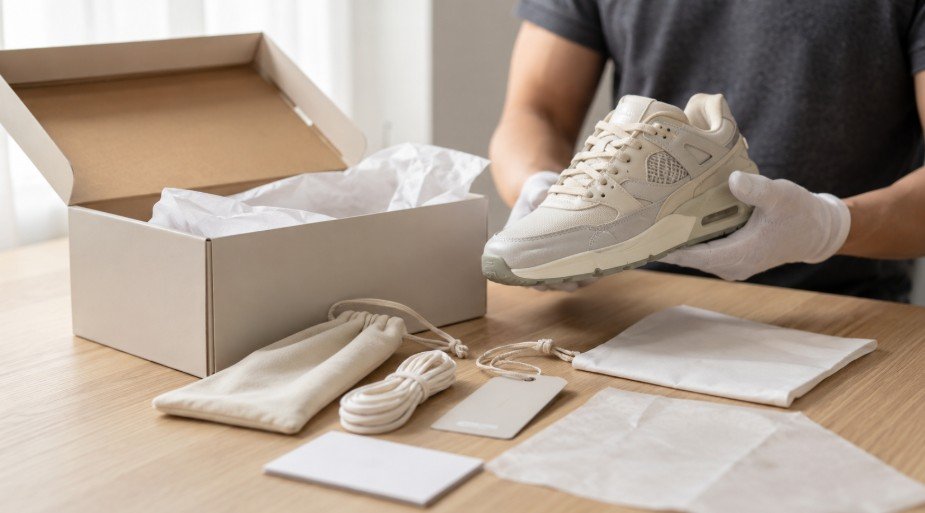
Original packaging can influence resale value, especially for collectible releases. While the box alone does not prove authenticity, it adds helpful information when reviewing a pair.
Check whether the box label matches the shoe size, style, and color details. A mismatch between packaging and footwear can happen for several reasons, but it should always be reviewed carefully.
Accessories also matter. Extra laces, dust bags, tags, inserts, and special packaging elements can increase buyer confidence. Limited releases often include specific extras, and missing items may affect overall value.
The box condition itself provides clues too. Strong packaging, accurate labels, and quality materials usually align with the standards expected from established footwear brands.
Inspect Surface Materials and Overall Condition
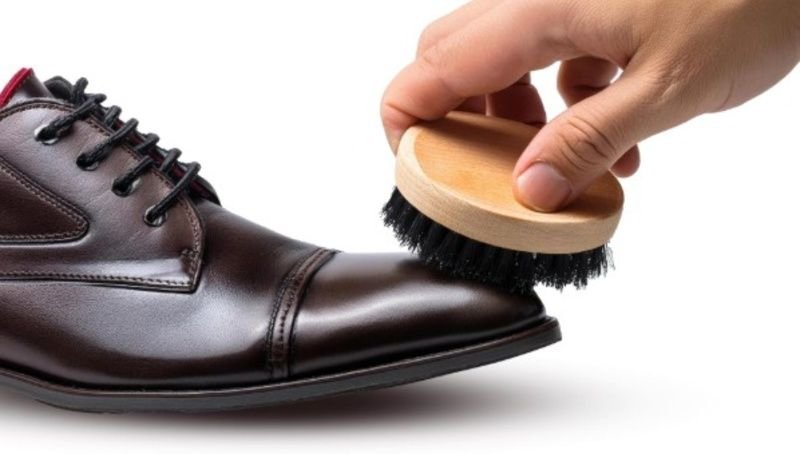
The outer appearance of a shoe gives the first real indication of its history. Look closely at areas that naturally experience the most contact, including the toe box, heel area, sides, and midsole.
Different materials age differently. Understanding the difference between genuine leather vs full grain dress shoes can also help you judge whether surface wear is normal aging or a sign of lower material quality.
Leather may develop creasing, suede can lose texture, canvas may fade, and synthetic materials can crack over time. Understanding these differences helps create a fair condition grade.
A useful secondhand shoe checklist includes reviewing:
- Scuffs, stains, discoloration, and yellowing
- Material flexibility and texture
- Odor, cleanliness, and signs of improper storage
- Scratches, cracking, or damaged surfaces
Smell can also reveal information. Strong chemical odors, unusual adhesive smells, or moisture-related odors may suggest material problems or poor storage conditions.
Check Stitching and Footwear Construction Quality
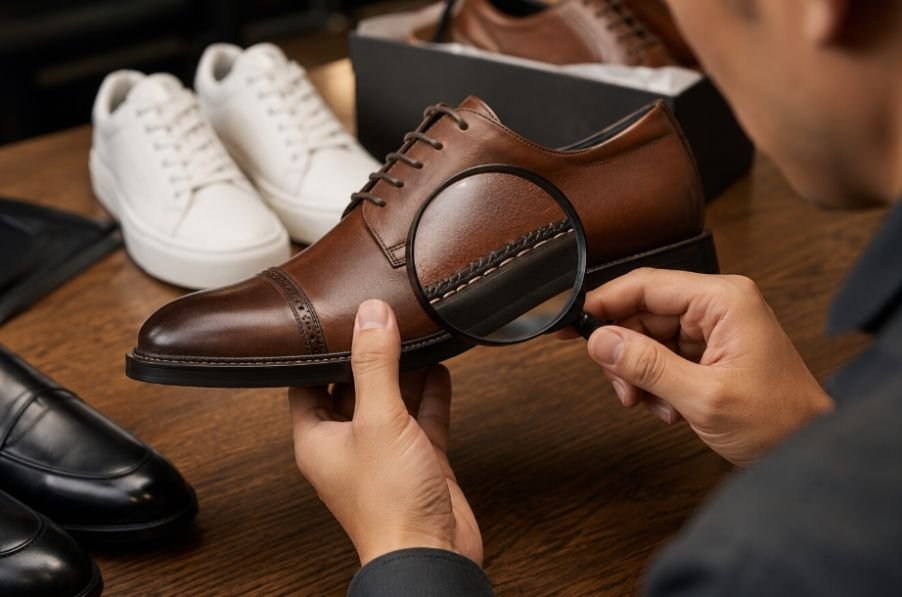
Construction quality plays a major role in how long shoes will last. Even authentic pairs can have small production differences, but major flaws can reduce comfort and resale value.
Examine stitching across the upper, heel, and side panels. Quality footwear construction usually includes consistent stitching patterns without loose threads, skipped areas, or uneven spacing.
The connection between the upper and outsole is another important checkpoint. Run your fingers along the edges and look for separation, weak bonding, or visible gaps. Sole separation can become a serious issue because it affects everyday usability.
Glue marks should also be reviewed. Small manufacturing traces are common, but excessive adhesive around important areas may indicate poor finishing quality.
Examine Sole Wear, Support, and Interior Details
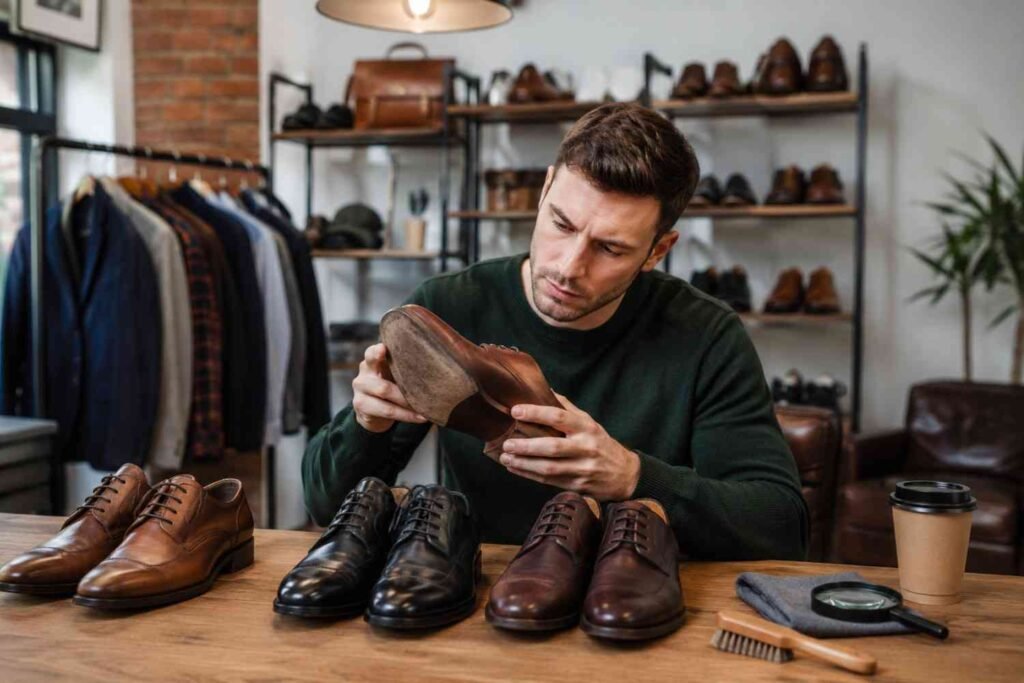
The bottom of the shoe often tells the most honest story. Sellers may clean the exterior, but outsole wear patterns reveal how much a pair has actually been used.
Check the tread pattern for smoothing, uneven heel drag, or areas where grip has started disappearing. Heavy outsole damage can affect safety and comfort.
Interior inspection is just as important. Look inside the shoe and review the lining, footbed, and insole condition. A clean and stable interior usually indicates better care.
Comfort features should not be ignored either. Cushioning, arch support, and internal structure affect how wearable a pair remains. Shoes may look visually appealing but feel uncomfortable if internal materials have broken down.
Frequently Asked Questions:
1. What should I check first when inspecting resale shoes?
Start by reviewing authenticity details such as labels, product codes, branding, and overall construction quality. After that, inspect materials, soles, interiors, and signs of wear.
2. How do I know if used shoes are still worth buying?
Look at structural condition rather than appearance alone. Strong soles, good cushioning, quality materials, and limited damage usually indicate better long-term value.
3. Does the original shoe box affect resale value?
Yes, original packaging can improve resale appeal, especially for collectible footwear. Matching labels, accessories, and complete packaging often increase buyer confidence.
4. What are the biggest warning signs during shoe inspection?
Major warning signs include incorrect labels, poor stitching, sole separation, strong unusual odors, damaged interiors, and mismatched details between both shoes.
Why Better Inspection Creates Smarter Shoe Choices
A careful inspection changes the way people approach resale footwear. Instead of focusing only on popularity, price, or appearance, buyers and sellers can understand the actual quality behind each pair. Small checks involving materials, construction, comfort, and originality often reveal details that photos cannot show.
Great resale decisions come from patience and attention. The more you understand a shoe’s condition, the easier it becomes to recognize pairs that are truly worth keeping.