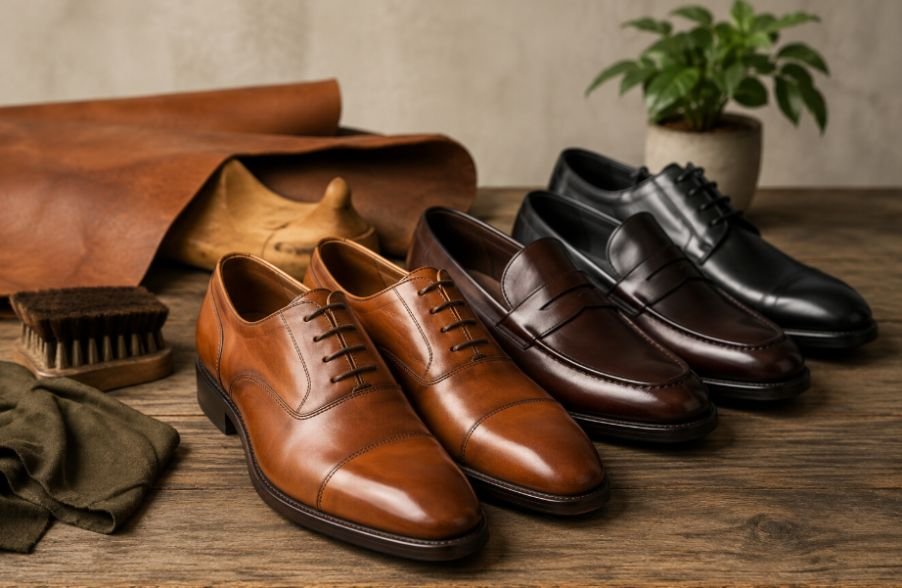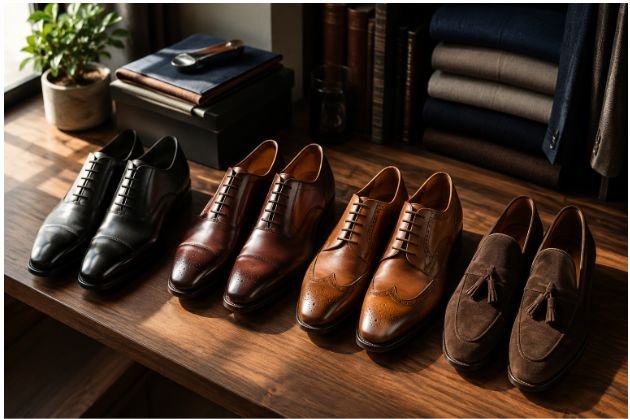
A great pair of leather shoes usually has a different presence the moment you hold them. The texture, flexibility, small imperfections, and even the way they age tell a story about the material. But today, many synthetic alternatives look surprisingly similar, making it harder to identify what is actually genuine leather and what is only designed to look like it.
Learning how to authenticate leather shoes comes down to noticing small details rather than relying on one quick test. Experienced collectors, footwear specialists, and careful buyers usually combine multiple checks, from the feel of the upper material to the stitching, scent, construction, and finishing.
These simple observations can reveal a lot about the quality and authenticity of a pair.
Why Authenticating Leather Shoes Matters Before Buying
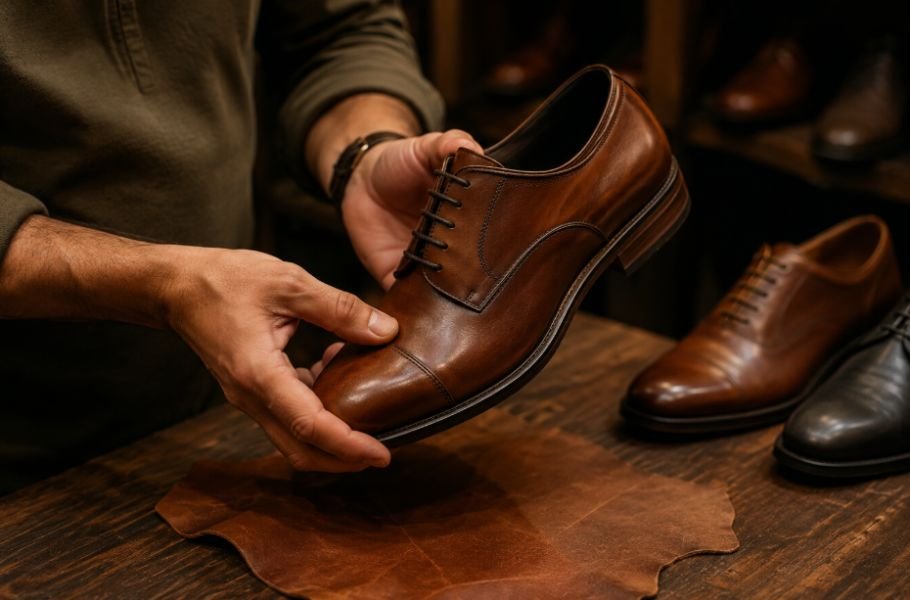
Leather footwear is often chosen because of its durability, comfort, and ability to develop character over time. Genuine leather adapts to movement, allows better flexibility, and usually provides better long-term value compared to cheaper synthetic materials.
However, appearance alone can be misleading. Modern faux leather materials can copy natural textures and finishes very closely. A shoe may look polished on display but show signs of peeling, cracking, or poor structure after regular wear.
Authentication helps buyers understand whether they are investing in real craftsmanship or simply paying for the appearance of leather.
A proper inspection also helps when buying vintage, designer, or previously owned footwear. Looking beyond the surface allows you to judge materials, construction quality, and expected lifespan.
Start With the Leather Texture and Grain Pattern
One of the first steps in learning how to authenticate leather shoes is examining the surface carefully. Genuine leather comes from natural hide, which means it usually has slight variations in grain, pores, and texture.
Real leather often shows tiny imperfections because no two sections of natural hide are exactly identical. The surface may have subtle changes that make it look organic rather than perfectly repeated.
Synthetic leather is usually created with machine-made patterns. The texture can appear extremely even because the grain is stamped onto the material. While some high-quality alternatives can look convincing, repeated patterns and an overly smooth finish can be signs that the material is artificial.
Full-grain leather and top-grain leather are especially valued because they preserve more of the natural structure of the hide. These materials often develop a richer appearance as they age instead of simply wearing out.
Check How the Leather Feels and Moves
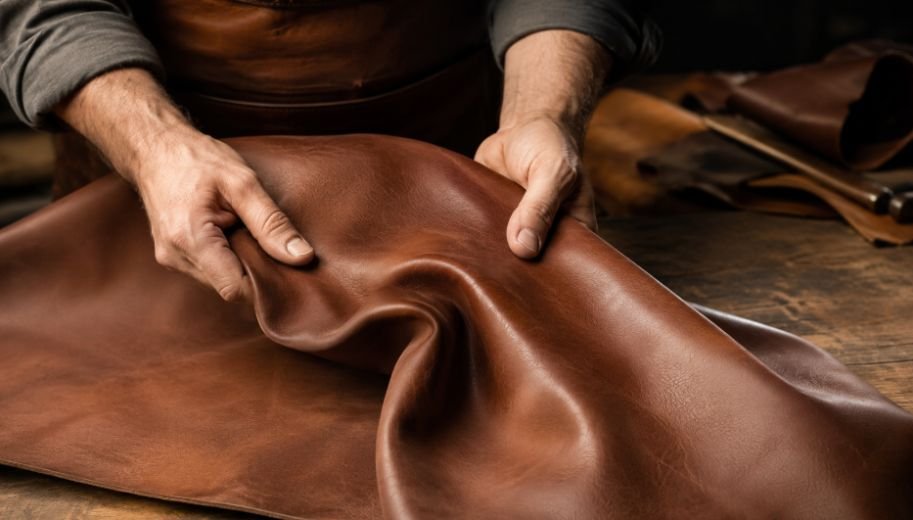
The touch test is one of the easiest expert checks because authentic leather responds differently under pressure.
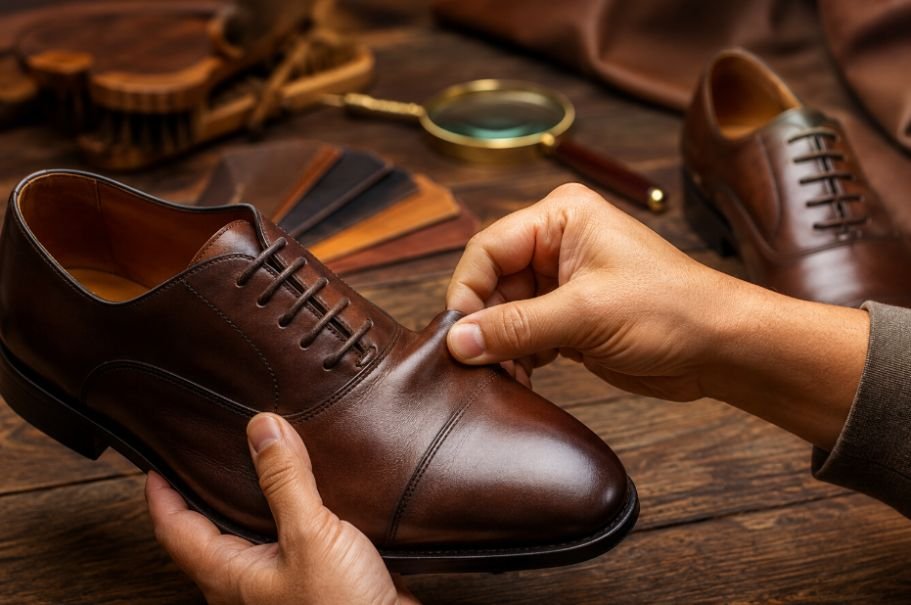
Press your thumb firmly into a soft area of the shoe’s upper. Real leather usually creates natural wrinkles and slight creases, similar to how skin reacts. After releasing pressure, the material should relax and return close to its original shape.
Genuine leather also tends to feel warmer and more flexible because of its natural fibers. It should feel firm but not stiff, with a balance between structure and softness.
Fake leather often feels cooler, rubber-like, sticky, or overly smooth. Instead of forming natural wrinkles, synthetic surfaces may simply stretch or remain rigid.
When evaluating secondhand pairs, condition matters as much as authenticity. Checking flexibility, interior quality, and material aging can help buyers make better choices, especially when following a used leather shoes guide before purchasing pre-owned footwear.
Understand the Difference Between Real Leather Smell and Artificial Finishes
The scent test is another traditional method used when checking leather quality. Authentic leather usually carries a noticeable earthy, warm, or slightly musky aroma because it comes from natural material.
Synthetic leather often has a sharper smell caused by plastics, chemicals, adhesives, or artificial coatings. Materials such as PU leather may look similar from a distance but usually lack the natural scent associated with real leather.
However, scent alone should not determine authenticity. Some leather products receive heavy finishing treatments, while some synthetic products use added fragrances. Combining the scent test with texture, flexibility, and construction checks creates a more accurate result.
Try a Careful Water Absorption Test
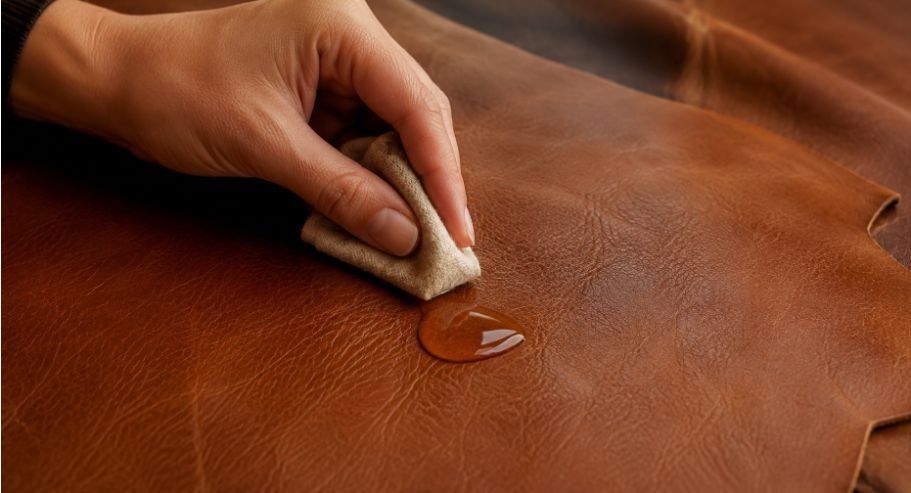
The water test can help identify how a material reacts to moisture, but it should always be done carefully. Place a tiny drop of water on a hidden area, such as near the heel or inside section, and observe it briefly.
Real leather is naturally porous, so it may slowly absorb moisture and temporarily darken before drying. This reaction happens because leather fibers interact with small amounts of water.
Synthetic materials usually repel moisture because they often contain plastic-based coatings. Water may stay on the surface instead of absorbing.
Avoid applying too much water because even genuine leather needs proper care. Excess moisture can affect the finish, especially on delicate or untreated leather types.
Look Closely at Stitching and Shoe Construction
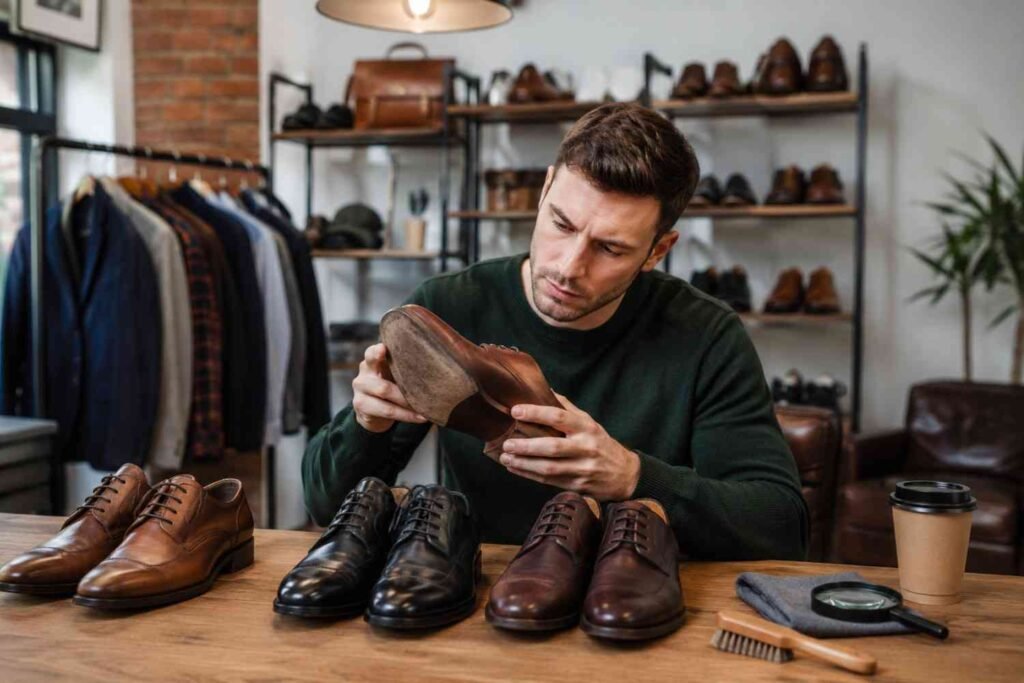
Quality footwear is about more than the upper material. Construction details often reveal whether shoes were made with care.
Examine areas like:
- Stitch spacing and alignment
- Sole attachment and edges
- Interior lining materials
- Heel structure and finishing
Authentic, well-made leather shoes usually have clean stitching, strong construction, and carefully finished edges. Premium footwear may include construction methods designed for durability, such as stitched soles rather than only glued components.
The interior can also provide clues. Real leather shoes often feature leather lining or a soft, natural backing. Synthetic pairs may reveal fabric layers, foam sections, or plastic-coated surfaces around exposed edges.
Frequently Asked Questions:
1. How can I quickly tell if leather shoes are real?
Check the texture, flexibility, scent, edges, and labels together. Real leather usually has natural grain variation, a warmer feel, and flexible movement compared to synthetic materials.
2. Does genuine leather always have imperfections?
Most real leather has some natural variation because it comes from animal hide. Completely identical patterns may indicate machine-created synthetic surfaces.
3. Can fake leather shoes look expensive?
Yes. Modern synthetic materials can closely copy premium leather appearances. Construction quality, aging behavior, and material tests help identify the difference.
4. Do real leather shoes last longer than synthetic shoes?
Quality leather shoes generally last longer with proper care because the material can adapt, age, and be maintained through cleaning and conditioning.
Why Real Leather Quality Shows Through Small Details
Authentic leather footwear is not recognized by one single feature. The true difference appears through a combination of texture, movement, construction, and how the material responds over time. A well-made pair develops personality with regular wear, making cost-per-wear more valuable for people who prefer durable footwear.
The best authentication skill is patience. Looking closer at small details often reveals what a quick first impression cannot.