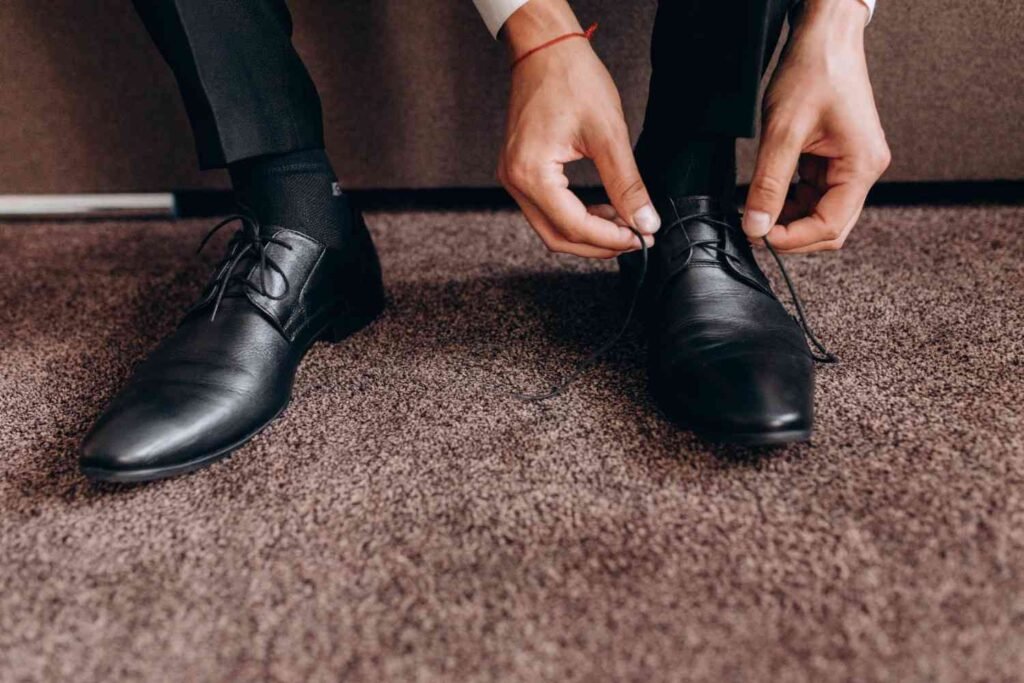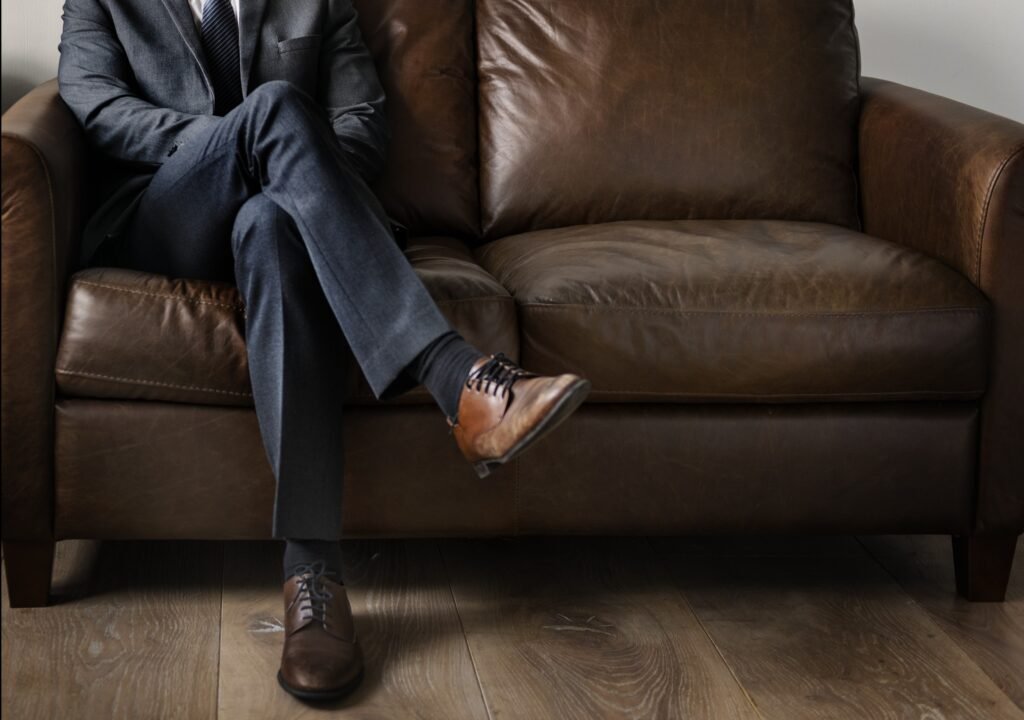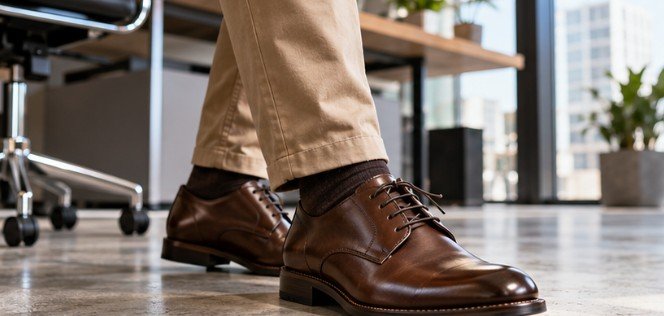
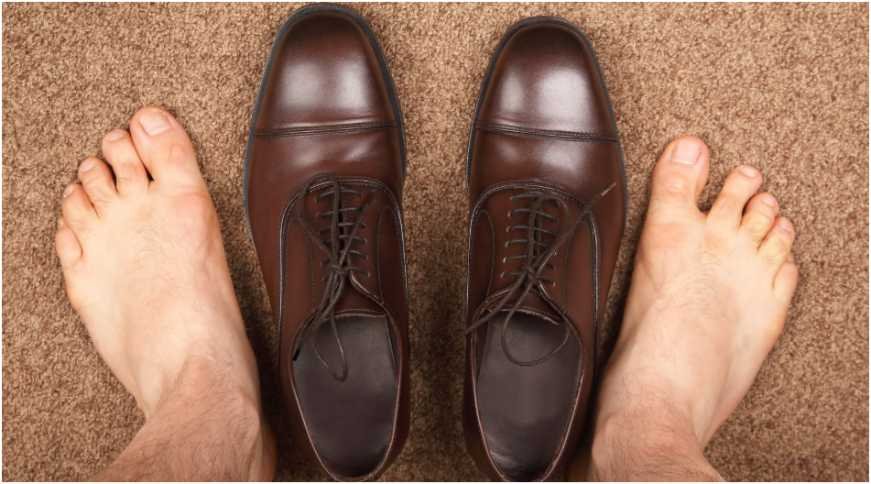
If your dress shoes pinch before lunch, the problem is not your feet. The problem is the shoe shape. Men’s leather dress shoes for wide feet need a roomier toe box, a wider midfoot base, and real width options like E, EE, EEE, G, or H.
I have seen many men size up to escape tight leather shoes. That usually creates heel slip, long toe space, and poor walking comfort. A better move is to keep the right length and choose the correct width.
Why Wide Feet Need a Different Dress Shoe Strategy
Wide feet need structure, not just extra space. A good wide-fit dress shoe should hold the heel, support the arch, and give the forefoot enough room. Research on footwear fit shows that poorly fitted shoes are linked with foot pain and foot disorders, so comfort is not just a style issue.
The biggest mistake is buying a longer shoe instead of a wider one. When the shoe gets longer, the widest part of the shoe may no longer match the widest part of your foot. That can make even expensive leather shoes feel wrong.
Best Shoe Styles for Wide Feet
Derby Shoes for Wide Feet
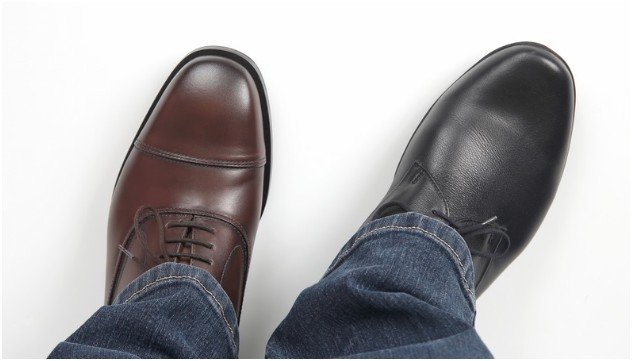
Derby shoes are usually the safest choice for wide feet. Their open-lacing system lets the upper open wider across the instep. This helps if your foot is broad or your arch sits high.
I would choose a Derby for office wear, business casual outfits, long workdays, and semi-formal events. A plain-toe Derby looks clean, while a brogue Derby adds personality without looking too casual.
Oxfords for Wide Feet
Oxfords look more formal, but they can feel tighter. Their closed-lacing system gives less room across the top of the foot. That does not mean wide-footed men should avoid Oxfords completely.
The key is choosing wide-width Oxfords made on a proper wide last. Brands such as Allen Edmonds list widths including E, EE, and EEE, which helps buyers avoid guessing.
Choose black wide Oxfords for weddings, interviews, formal dinners, and conservative business settings.
Wingtip and Brogue Dress Shoes
Wingtips can work well for wide feet when built on a Derby base. The brogue details add visual width, which can make the shoe look balanced instead of bulky.
For US office wear, I like brown or oxblood wingtips with navy, gray, or tan trousers. They feel polished but not stiff.
How to Choose the Right Width
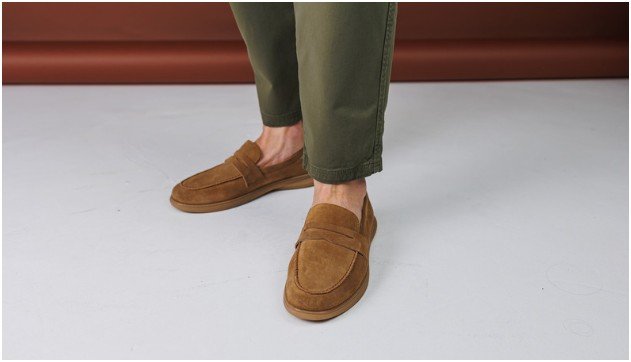
Look for real width labels. In many US sizing systems, D is standard, while E, EE, and EEE indicate wider fits. Some UK-style fittings may use G or H for wide and extra-wide.
Do not trust vague product names alone. “Comfort fit” does not always mean wide fit. Check the size chart, return policy, and customer reviews mentioning toe box space.
My simple test is this: lace the shoe fully and stand for one minute. If the leather bulges hard at the sides, it is too narrow. If your heel lifts badly, it is too long. If the laces close completely with pressure across the forefoot, try a wider fitting.
For a complete buying foundation, understand first how to choose men’s leather dress shoes before comparing wide-fit styles.
Comfort Features That Actually Matter
A roomy toe box matters most. Your toes should sit flat without pressing against the sides. The shoe should bend near the ball of your foot, not under your arch.
Cushioned insoles also help. Memory foam, removable footbeds, and Ortholite-style cushioning can reduce pressure during long wear. Removable insoles are useful if you wear custom orthotics.
Soft leather helps, but it should not be your only solution. Leather may stretch slightly, but it will not turn a narrow shoe into a true wide shoe.
Quick Reference Table
| Need | Best Choice | Why It Works |
| Formal events | Wide Oxford | Sharpest dress style |
| High instep | Derby shoe | Open lacing gives more room |
| Office wear | Plain-toe Derby | Comfortable and professional |
| Smart casual outfits | Wingtip Derby | Stylish but flexible |
| Extra-wide feet | EE, EEE, G, or H fit | More forefoot and midfoot space |
| Orthotics | Removable insole | Better custom support |
FAQs
1. Are Derby shoes better than Oxfords for wide feet?
Yes, Derby shoes are usually better because open lacing gives more room across the instep.
2. Should I size up in dress shoes for wide feet?
No, choose a wider fitting instead of a longer shoe to avoid heel slip.
3. What width is best for wide feet in men’s dress shoes?
E is wide, while EE and EEE are better for extra-wide feet in many US brands.
4. Are men’s leather dress shoes for wide feet still formal?
Yes, wide Oxfords and sleek Derbies can look formal when the shape, leather, and color are refined.
Final Take: Wide Feet Deserve Better Shoes
I would never force wide feet into narrow dress shoes just for style. The smarter move is choosing men’s leather dress shoes for wide feet with real width options, better lacing, and a toe box that lets your foot sit naturally.
Start with a wide Derby if comfort comes first. Choose a wide Oxford when the dress code gets serious. Your shoes should look sharp, but they should not punish you for having feet.