I think of shoe care as part of getting ready for tomorrow. A polished outfit loses its finish when the shoes underneath look dusty, misshapen, or neglected. Yet spending every evening cleaning and polishing them would make an ordinary workweek unnecessarily complicated.
My approach to how to care for leather shoes worn to work every day starts with small habits: remove grit, allow drying time, support the shape, and apply products when needed. Here is a practical routine that covers everything from after-work brushing to weekend maintenance.
What Should You Do After Every Workday?
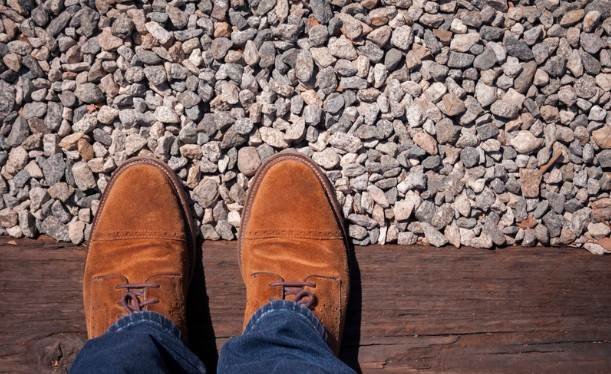
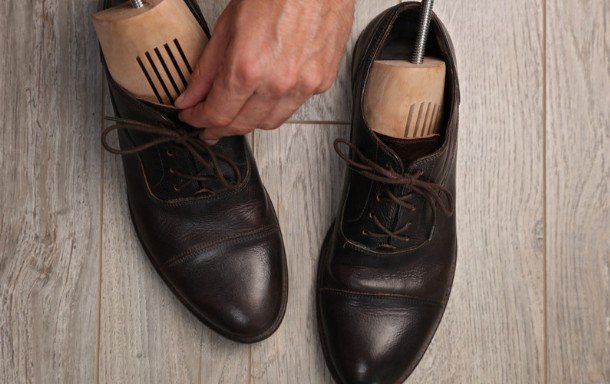
Brush away dust, check for dampness, and leave your shoes somewhere ventilated. Use correctly sized wooden shoe trees to support their shape. Rotate pairs whenever possible, and save thorough cleaning, conditioning, and polishing for when the leather needs them.
Brush Before Dirt Builds Up
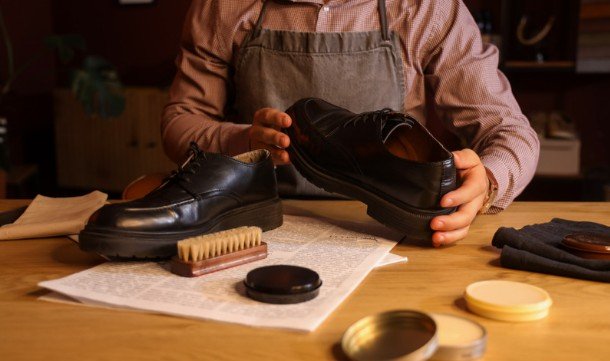
Use a soft horsehair brush across the uppers, then gently clear grit around the welt, where the upper meets the sole. Pay attention to stitching and brogue perforations without digging into them.
For light surface dirt, use a barely damp cloth if the shoe maker permits it. Wipe away excess moisture. Avoid soaking the leather or scrubbing aggressively.
Let the Interior Dry
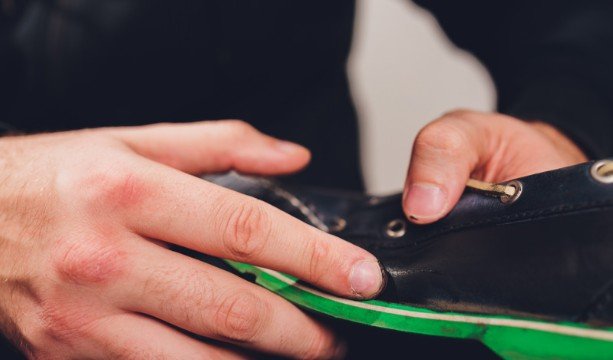
Loosen the laces and open the shoes enough to encourage airflow. Remove removable insoles when their care instructions allow it; never pull out glued footbeds.
Store shoes away from radiators, hair dryers, and direct sunlight. Shoe trees help maintain shape, but they cannot make a damp pair instantly ready for another long shift.
Identify Your Leather Before Applying Products
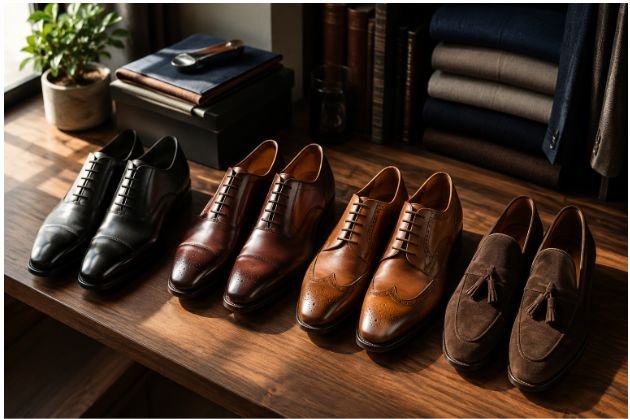
This routine mainly suits smooth leather Oxfords, Derbies, and loafers. To remove odors from leather shoes, choose a method suited to their lining and finish. Suede and nubuck need suitable brushes and dedicated care products. Patent leather has a coated finish requiring different treatment.
Check the manufacturer’s recommendations, particularly for specialty finishes. Test any unfamiliar cleaner, conditioner, or polish on a discreet area first. Even neutral products can change the appearance of some leather.
Can You Wear the Same Pair Tomorrow?
Alternating two pairs gives each more time to release moisture between working days. Consider a third option for wet commutes or unusually long days.
If you own only one pair, prioritize ventilation, clean socks, and gentle brushing. Avoid wearing shoes that remain damp inside. A spare pair, even a simpler one, becomes useful when drying takes longer than overnight.
Use a shoehorn when putting shoes on. Crushing the heel counter gradually damages the structure that supports your heel.
Build a Simple Weekend Maintenance Habit
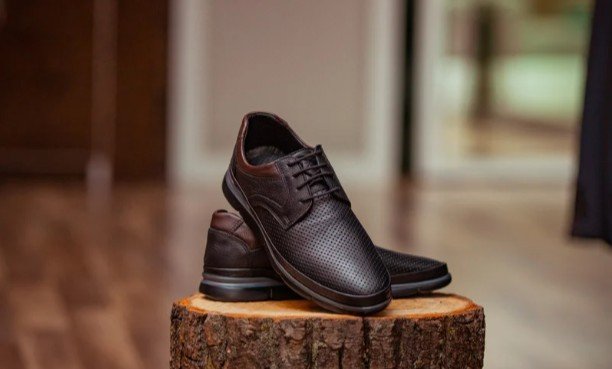
Once a week, inspect your shoes under good light. Look for dust, scuffs, dryness, loose stitching, uneven heel wear, and trapped debris.
Clean Only as Much as Necessary
Remove the laces for better access when doing a thorough clean. Brush first, then use a cleaner approved for the leather if a damp cloth cannot remove the marks.
Follow the product instructions and remove residue carefully. Let the shoes dry before applying further products. Strong household detergents and repeated deep cleaning can damage the finish.
Condition According to Need
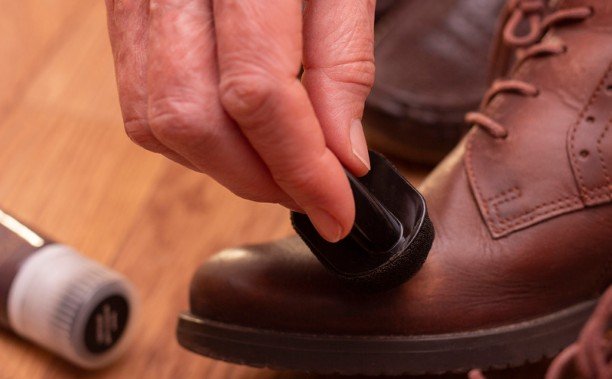
Conditioner helps maintain flexibility; polish mainly refreshes appearance and adds surface protection. Some creams combine functions, so check the label before layering products.
There is no universal conditioning calendar. Inspect regularly and follow the maker’s guidance, adjusting for wear and conditions. Apply a thin coat when appropriate, allow the recommended absorption time, and buff away excess.
Polish for a Professional Finish
Choose a compatible cream polish to refresh faded color and disguise minor surface scuffs. Apply sparingly and buff with a clean brush.
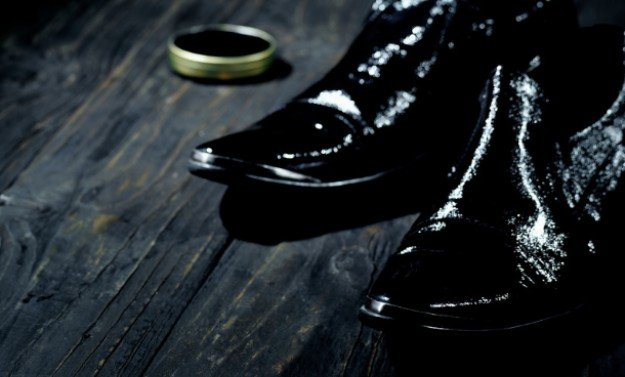
Wax can add extra shine to firm toe and heel areas. Avoid building thick layers across flexing creases, where wax can crack or look cloudy. Check sole edges too, using suitable edge dressing carefully.
Handle Rain, Salt, and Odor Promptly
Blot rainwater with a soft cloth. For soaked shoes, loosely insert plain absorbent paper, replace it when damp, and allow natural drying. Use another pair until they dry fully.
Remove salt residue off floors promptly with a material-compatible cleaner. Avoid improvised vinegar mixtures unless the manufacturer approves them.
For odor, start with drying, fresh socks, and rotation. Use only lining-compatible treatments as directed. Do not saturate leather interiors with deodorizer.
Frequently Asked Questions
1. What is the simplest approach to daily office shoe care?
If you are wondering how to care for leather shoes worn to work every day, prioritize brushing, drying, shape support, and rotation. Add cleaning and products according to condition.
2. Should I polish my shoes every evening?
Usually, brushing is enough. Polish when the finish looks dull or scuffed, following the product instructions rather than repeatedly adding layers.
3. Can shoe trees remove existing creases?
They support the shape and can reduce how sharply creases settle. They cannot erase normal flex lines or repair cracked leather.
4. When should I visit a cobbler?
Seek help for separating soles, worn heel caps, deep cuts, broken stitching, or collapsed heel counters. Polish cannot repair structural damage.
My Final Take
I would rather spend a few minutes maintaining shoes than rush through a rescue job before work. Regular brushing, patient drying, and occasional careful product use keep the routine manageable. I also treat repairs as part of ownership: noticing a worn heel early gives me a chance to act before damage spreads.
Knowing how to care for leather shoes worn to work every day helps me keep tomorrow’s outfit ready without turning maintenance into another chore.