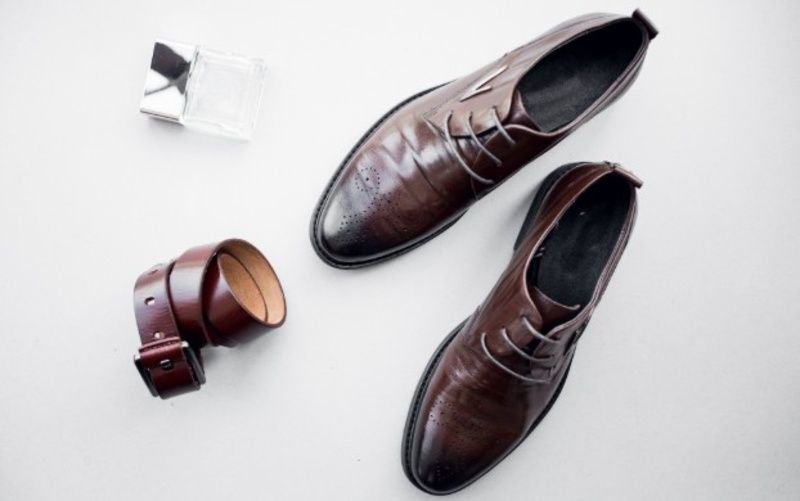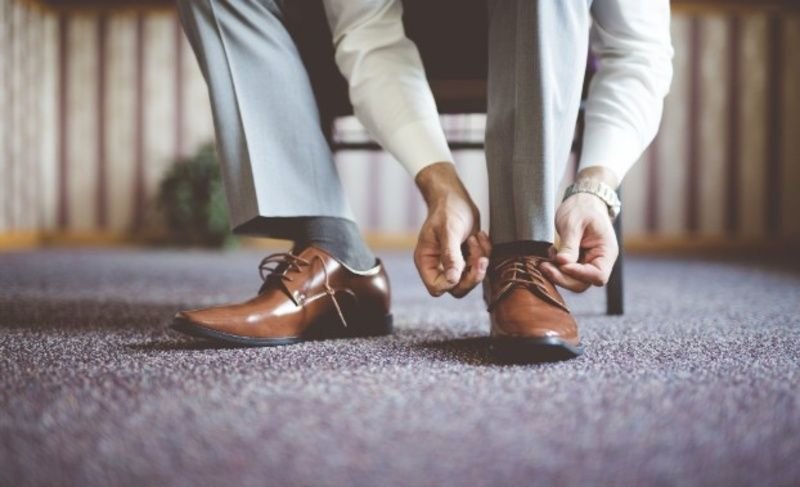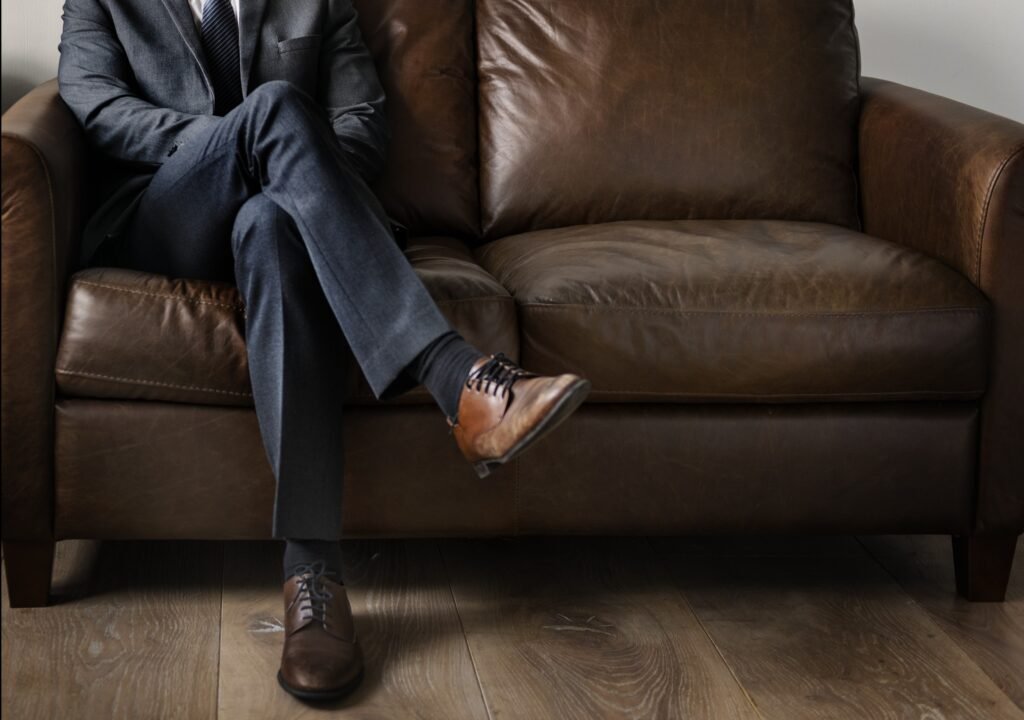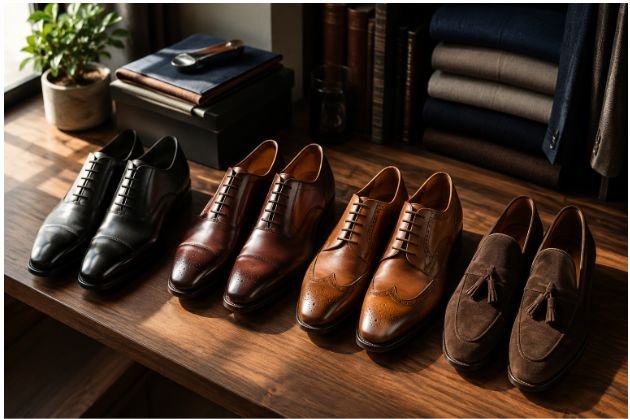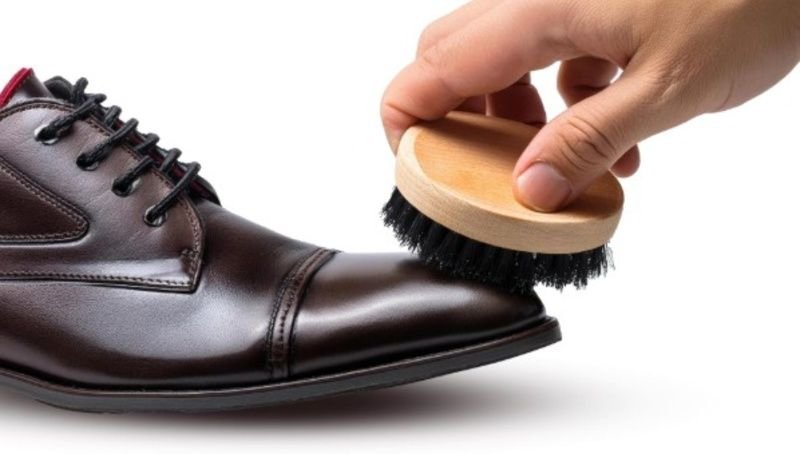
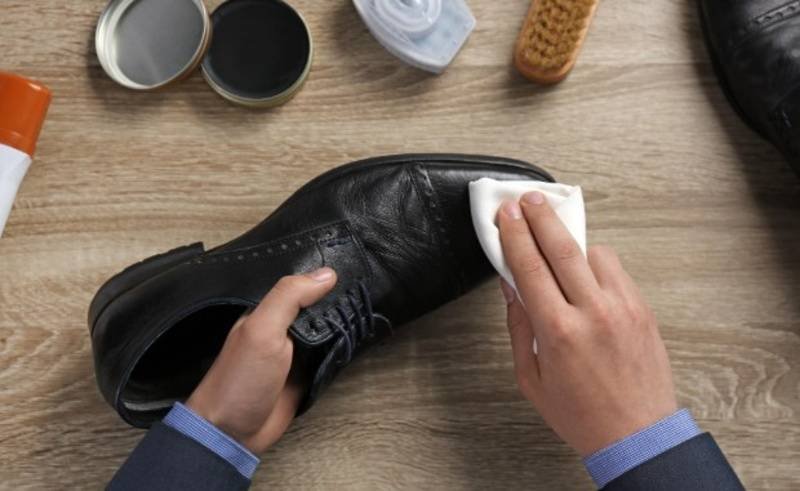
I know how frustrating it feels when a clean pair of dress shoes gets marked right before work, a dinner, a wedding, or an important event. Leather dress shoes can make an outfit look sharp, but one visible scuff can make them look neglected. The good news is that how to remove scuffs from leather dress shoes is not complicated when you use the right method for the type of mark.
Scuffs are usually surface damage, color transfer, or light abrasion on the leather finish. Scratches go deeper and may need cream polish or conditioner to blend the mark. Before using any product, always clean the shoe first and test on a hidden area.
What Causes Scuffs on Leather Dress Shoes?
Scuffs happen when leather rubs against pavement, chair legs, car pedals, office furniture, luggage, or another shoe. Black and brown leather dress shoes show scuffs differently. Black shoes often reveal gray marks, while brown shoes may show lighter patches where the finish has been disturbed.
Polished leather is especially noticeable because the shine reflects uneven marks. That is why a quick wipe alone may not fix the problem. You need to clean, restore moisture, add color if needed, and buff the surface back to a smooth finish.
Supplies You Need Before Cleaning
You do not need a large shoe-care kit, but a few basics help protect the leather. Use a soft horsehair brush, clean microfiber cloth, leather cleaner, leather conditioner, matching cream polish, wax polish, and a shoe tree if available. While sneaker cleaning products are useful for casual footwear, leather dress shoes need proper leather-safe cleaners, conditioners, and polish for long-term care.
Avoid harsh household cleaners, alcohol, bleach, and soaking water. Leather is skin-like material, and too much moisture can dry, stain, or weaken it.
Step 1: Brush Away Dirt First
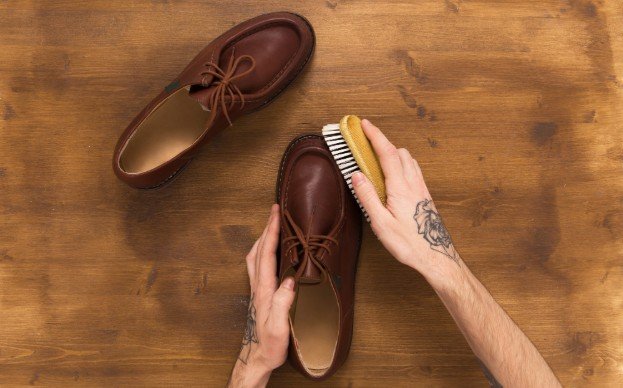
Start by removing loose dust and dirt with a soft brush. This prevents grit from scratching the leather while you clean the scuffed area. Brush around the toe, sides, heel, seams, and welt.
If the shoes are muddy, let the mud dry first, then brush it off gently. Never scrub wet mud into leather because it can push dirt deeper into the grain.
Step 2: Wipe the Scuff With a Damp Cloth
For light scuffs, use a slightly damp microfiber cloth and rub the mark in small circles. The cloth should be damp, not wet. Many surface marks come off with this simple step, which is especially helpful when you care for wingtip leather shoes because brogue detailing can trap dust around scuffed areas.
If the mark fades, let the shoe dry naturally for a few minutes. Do not use a hair dryer or place leather shoes near heat, because direct heat can cause cracking.
Step 3: Use Leather Cleaner for Stubborn Marks
If the scuff remains, apply a small amount of leather cleaner to a cloth and work it gently over the mark. Use light pressure. The goal is to lift residue without stripping the finish.
After cleaning, wipe away leftover product with a clean cloth. Let the shoe rest before adding conditioner or polish. This helps you see whether the scuff is only dirt or actual color loss.
Step 4: Condition the Leather
Conditioning is important because cleaning can remove some natural oils from leather. Apply a thin layer of leather conditioner and allow it to absorb. This softens the leather, reduces dryness, and helps minor marks blend better.
Do not over-condition. Too much product can make dress shoes look greasy or dull. A small amount is enough for most leather dress shoes.
Step 5: Restore Color With Cream Polish
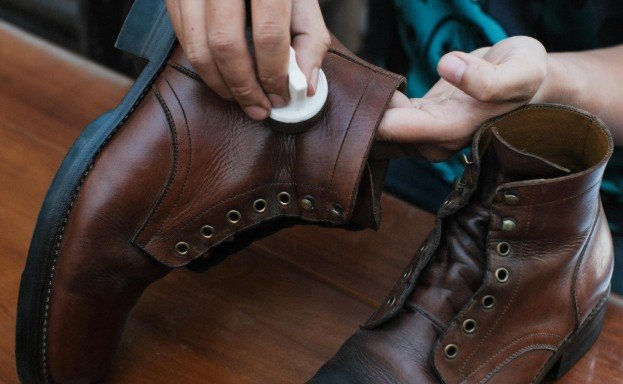
If the scuff looks lighter than the rest of the shoe, use matching cream polish. Cream polish adds pigment and helps cover shallow scratches or faded patches.
Apply a small amount with a cloth using circular motions. Focus on the scuffed area first, then blend outward so the color looks even. Let the cream sit for a few minutes before buffing.
For black shoes, use black cream polish. For brown shoes, choose the closest shade possible. If you are unsure, go slightly lighter instead of darker.
Step 6: Buff the Shoe Back to a Shine
After the cream polish sets, buff the shoe with a horsehair brush. This removes excess polish and brings back a natural shine. For extra shine, add a thin layer of wax polish to the toe and heel.
Wax polish is best for shine and protection, while cream polish is better for color repair. Using both gives leather dress shoes a cleaner, more finished look.
Light Scuffs vs Deep Scuffs
Light scuffs usually sit on top of the leather and can be removed with brushing, wiping, and buffing. Deep scuffs may cut into the finish or expose lighter leather underneath.
If the leather is torn, peeling, or deeply gouged, polish may improve the appearance but will not fully fix the damage. In that case, a cobbler can repair peeling shoes more professionally by refinishing or replacing the damaged leather, helping extend the life of your favorite pair.
How to Prevent Future Scuffs
Use shoe trees to keep the shape smooth. Store shoes in dust bags or boxes. Rotate pairs instead of wearing the same leather shoes every day. Apply polish regularly so the surface has a protective layer.
When driving, avoid rubbing the heel and side of the shoe against the pedal area. Small daily habits can prevent most scuffs before they happen.
Frequently Asked Questions
1. How often should I polish leather dress shoes?
Polish them every few wears or whenever the leather starts looking dull, dry, or marked.
2. Can I use water to remove scuffs from leather shoes?
Yes, but only a slightly damp cloth should be used. Soaking leather can damage it.
3. What is the safest way for how to remove scuffs from leather dress shoes?
The safest method is brushing, damp wiping, conditioning, applying matching cream polish, and buffing gently.
4. Can a cobbler fix deep scuffs?
Yes, a cobbler can refinish deeper scuffs, restore color, and improve damaged leather more effectively.
Final Thoughts
I like keeping leather dress shoes clean because they change the entire look of an outfit. A scuff does not always mean the shoe is ruined. With gentle cleaning, the right conditioner, matching polish, and careful buffing, most marks can be reduced or removed at home. Once you learn how your leather reacts, shoe care becomes quick, simple, and worth the effort.