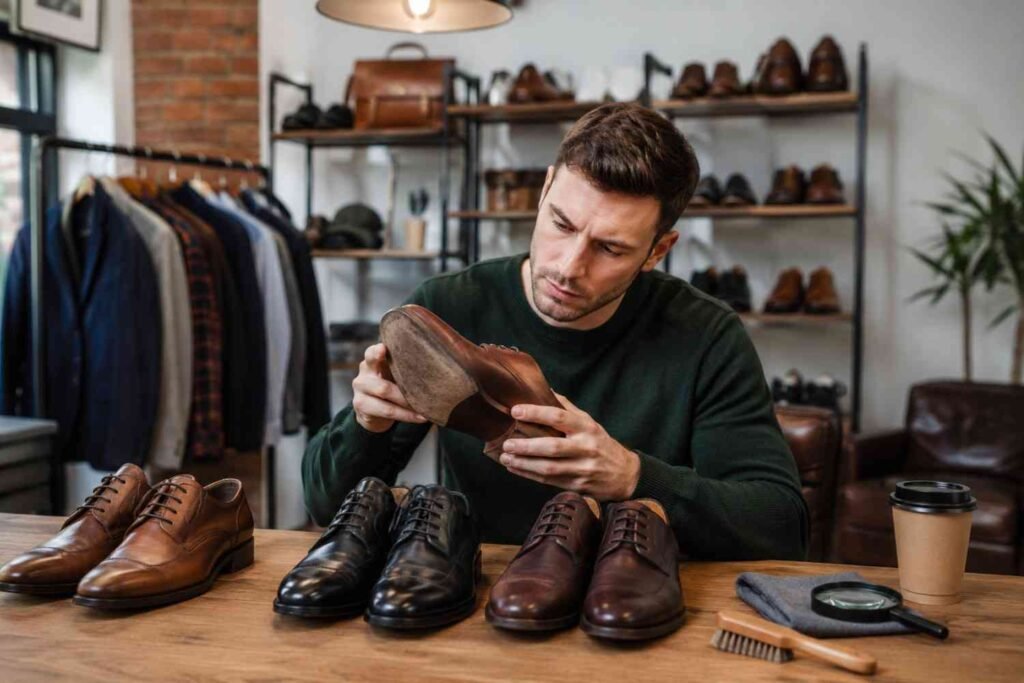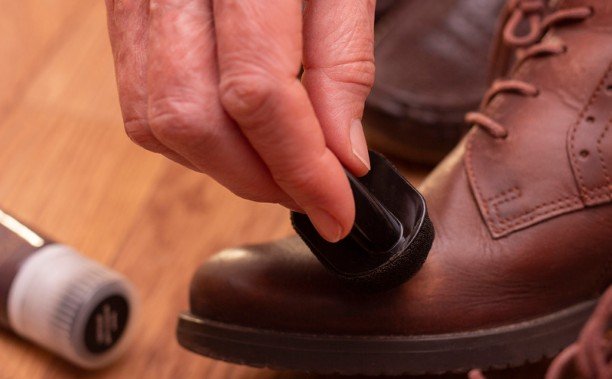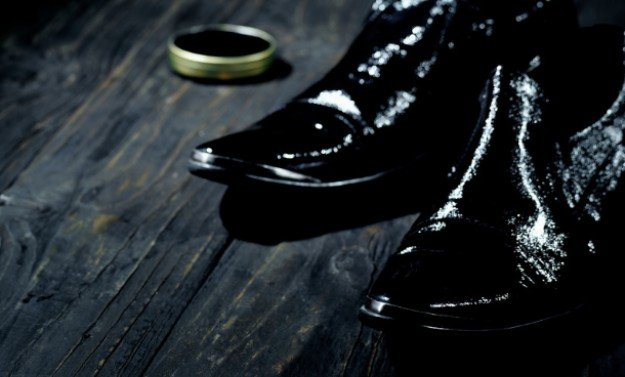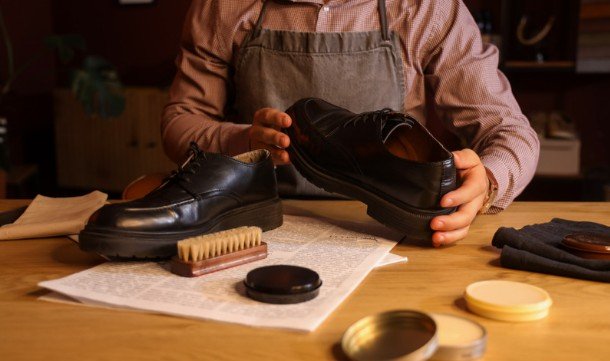
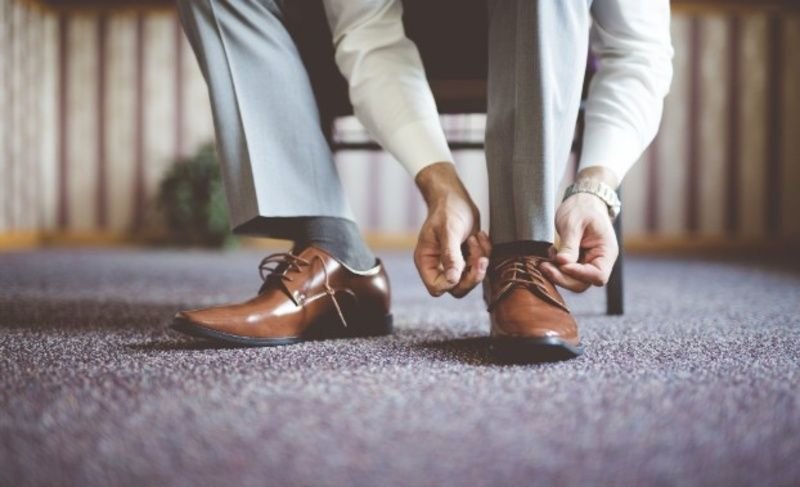
I used to think a little rain could not do much damage to good leather shoes. Then I noticed dull patches, water spots, stiff creases, and soles that felt weaker after repeated wet days. That is when I learned how to protect leather shoes from rain the right way: before the shoes get wet, while wearing them, and after they dry.
Leather is durable, but it is not naturally built for constant water exposure. Rain can strip oils from the hide, stain the surface, weaken stitching, soften leather soles, and leave shoes looking older than they are. The good news is simple care can protect dress shoes, boots, loafers, and formal leather footwear without making them look over-treated.
Why Rain Is Bad for Leather Shoes
Rain does more than leave temporary wet marks. When water enters leather fibers, it can push out natural oils that keep the material flexible. Once the leather dries, it may feel hard, tight, or cracked. Dirt and road grime can also mix with rainwater and settle into the pores, causing skin discoloration.
Leather soles are even more vulnerable. Smooth leather soles can absorb water quickly, making them slippery, soft, and easier to wear down. That is why rainy weather calls for prevention, not just cleanup.
What to Do Before Wearing Leather Shoes in Rain
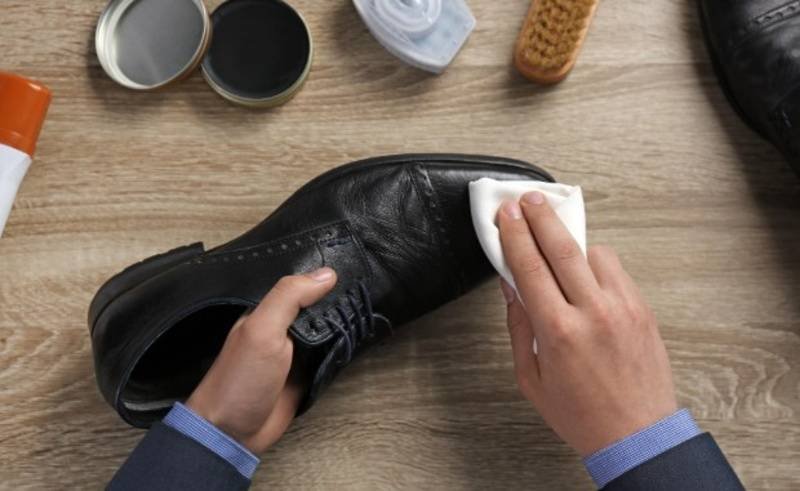
The best rain protection starts before you step outside. Clean shoes first with a soft brush or cloth so dirt does not get sealed into the leather. If the leather feels dry, apply a quality conditioner and let it absorb fully. Conditioned leather handles moisture better because it stays flexible.
After conditioning, use a waterproof spray made for leather. Hold the spray several inches away and apply a light, even coat. Let it dry completely before adding another thin layer. Do not soak the shoe with product. Too much spray can darken leather or create a sticky finish.
For smooth leather dress shoes, polish adds another layer of defense. Wax polish helps water bead on the surface instead of soaking in immediately. This is especially useful for Oxfords, Derbies, and formal shoes that need to stay sharp.
Choose the Right Soles for Wet Weather
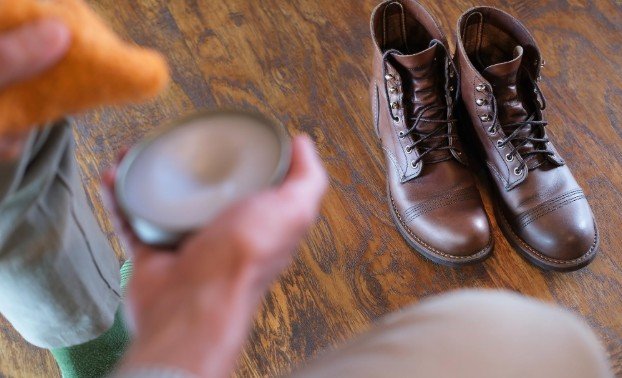
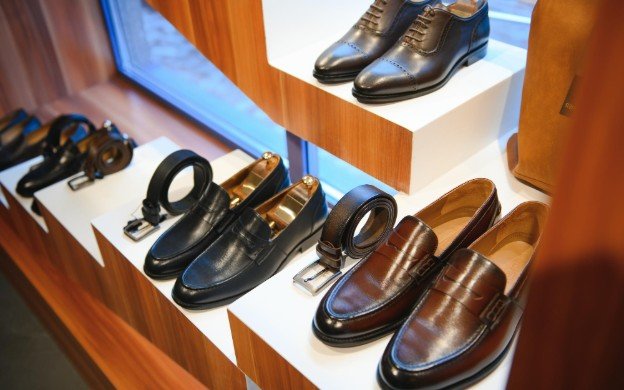
If rain is common where you live, rubber soles are a smart choice. They provide better grip and resist water better than leather soles. If your favorite shoes have leather soles, a cobbler can add thin rubber sole protectors. These protect the bottom of the shoe without changing the overall style too much.
Avoid wearing delicate leather-soled dress shoes during heavy rain if possible. They may look elegant, but they are not ideal for puddles, wet sidewalks, or long walks in bad weather.
How to Wear Leather Shoes Safely on Rainy Days
Even protected leather shoes need careful use in wet conditions. Try to avoid deep puddles, muddy areas, and soaked grass. Rain spray can help with light rain, but it does not turn fine leather shoes into rain boots.
If the forecast calls for heavy rain, wear overshoes or shoe covers during the commute and remove them once indoors. This is a practical option for formal shoes because it protects both the upper leather and the soles.
Suede and nubuck need extra caution. These materials stain more easily than smooth leather. Use a suede-safe waterproof spray and brush them only when dry. Never use regular leather wax or polish on suede. If you need to remove scuffs from leather dress shoes, use that method only on smooth leather, not suede or nubuck.
What to Do If Leather Shoes Get Wet
If your shoes get wet, act quickly but gently. First, wipe away surface water with a clean, dry cloth. Remove mud before it dries hard, but do not scrub aggressively. Take out the laces and removable insoles so air can move through the shoe.
Place cedar shoe trees inside if you have them. They help hold the shoe shape and absorb moisture. If not, lightly stuff the shoes with plain paper. Replace the paper when it becomes damp.
Let the shoes dry naturally at room temperature. Never put leather shoes near a heater, fireplace, hair dryer, or direct sunlight. Fast heat can shrink leather, create cracks, and ruin the shape. Natural drying is slower, but it protects the shoe.
Condition and Polish After Drying
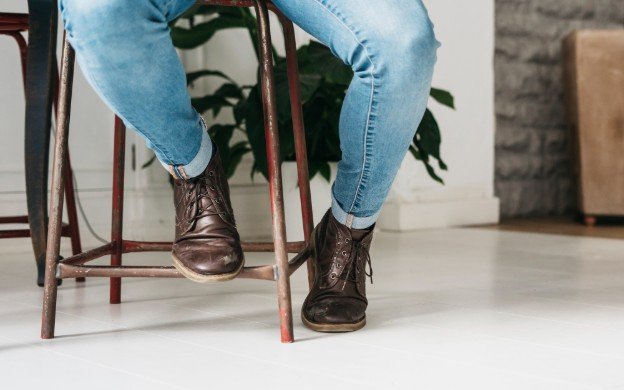
Once the shoes are completely dry, check the leather. If it feels stiff or dull, apply conditioner sparingly. Let it absorb, then brush or buff the leather. For dress shoes, finish with cream or wax polish to restore color, shine, and surface protection.
This step matters because rain often removes some of the oils and polish already on the shoe. Reconditioning helps bring back flexibility and prevents long-term cracking.
Best Products for Leather Shoe Rain Protection
A strong leather care routine does not need many products. A soft brush, clean cloth, leather conditioner, waterproof spray, wax polish, and cedar shoe trees are enough for most shoes. For suede, use a suede brush and suede-safe protector. For leather soles, consider rubber protectors if the shoes are worn often in wet weather.
The goal is not to make leather completely waterproof. The goal is to help it resist light moisture, dry correctly, and stay flexible after rain exposure.
Frequently Asked Questions
1. Can leather shoes be worn in the rain?
Yes, but only with care. Light rain is usually manageable if the shoes are conditioned, protected, and dried properly afterward.
2. What is the best way for how to protect leather shoes from rain?
Use conditioner, waterproof spray, wax polish for smooth leather, shoe trees after wear, and natural drying if they get wet.
3. Can waterproof spray damage leather shoes?
It can if you use the wrong formula or apply too much. Always choose a leather-safe spray and test it on a hidden area first.
4. Should wet leather shoes be dried in the sun?
No. Direct sun and heat can crack, shrink, or stiffen leather. Dry them slowly at room temperature with airflow.
Final Thoughts
I have learned that rain does not have to destroy good leather shoes if I prepare them before wearing, treat them gently after exposure, and avoid shortcuts like heat drying. With the right spray, polish, conditioner, soles, and drying routine, leather shoes can stay clean, comfortable, and sharp through unpredictable weather.