Why Quality Matters Before You Buy
The easiest way to waste money on dress shoes is to judge them by shine alone. I have seen glossy shoes crack early, while quieter full-grain pairs aged into something richer after every wear.
The signs of good quality leather dress shoes are found in the leather, stitching, lining, sole, heel, and finishing. A good pair should feel structured, smell natural, and look refined without screaming for attention.
Quality also affects comfort. If the shoe is badly built, even expensive leather will not save your feet.
If you spend long hours on your feet, exploring comfortable oxford shoes for standing all day can also help you balance craftsmanship with everyday comfort.
That is why fit still matters, so check this guide on how should men’s leather dress shoes fit before buying your next pair.
The 60-Second Shoe Inspection Test
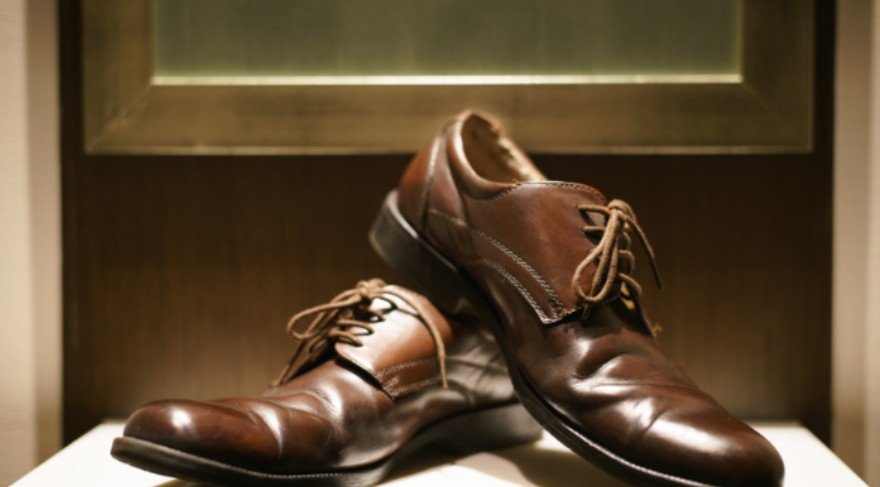
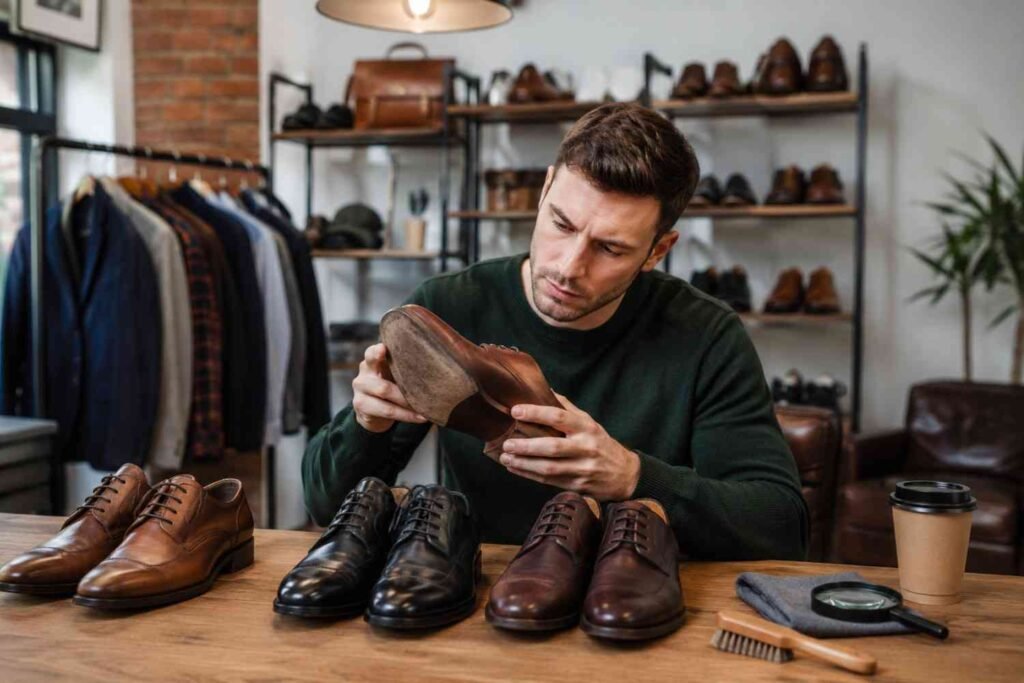
I use a quick inspection before trusting any pair of leather dress shoes. It takes less than a minute and reveals more than the price tag.
Check the Leather Surface
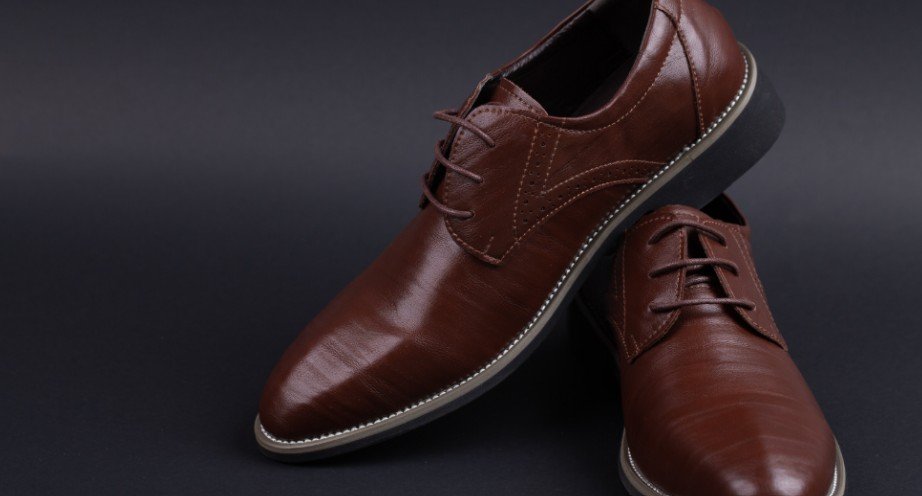
Good leather has natural depth. It should show a tight grain, slight variation, and a soft glow. It should not look like plastic, glass, or painted cardboard.
Full-grain leather is valued because it keeps the natural grain layer intact. Cheaney explains that full-grain leather uses the strongest outer layer of the hide and is prized for durability and character.
Bend the Shoe Gently
Press the forefoot lightly. Quality leather bends with smooth, soft creases. Cheap coated leather often forms sharp wrinkles, hard cracks, or a plasticky fold.
This small test matters because dress shoes crease where your foot naturally flexes. Premium leather handles that movement better.
Smell the Leather
Good leather has a rich, earthy smell. It may smell slightly sweet, warm, or natural. Avoid shoes with a strong chemical, glue, or plastic odor.
That smell often signals synthetic coatings, low-grade leather, or heavy finishing used to hide weak material.
Leather Quality Signs That Matter Most
Full-Grain Leather
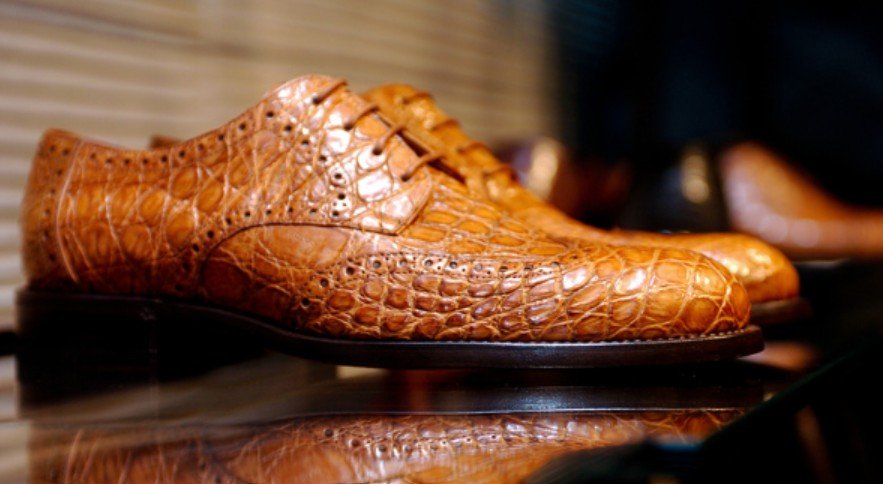
Full-grain leather is one of the clearest signs of good quality leather dress shoes. It develops patina instead of simply wearing out.
Patina gives leather depth, color variation, and personality. Natural full-grain leather tends to age better because it has not been heavily sanded or corrected.
Tight Grain Pattern
Look closely at the surface. High-grade leather usually has dense, tight pores. It feels supple, smooth, and slightly oily.
Bad leather often feels stiff, dry, overly shiny, or rubbery. If every inch looks perfectly flat, the shoe may be corrected-grain leather with a coating.
Calfskin and Shell Cordovan
Premium dress shoes often use calfskin because it is soft, flexible, and elegant. It breaks in well and suits Oxfords, Derbies, loafers, and formal shoes.
Shell cordovan is rarer and more expensive. It is known for durability, deep color, and a mirror-like finish when cared for properly.
Construction Signs of Premium Dress Shoes
Goodyear Welt Construction
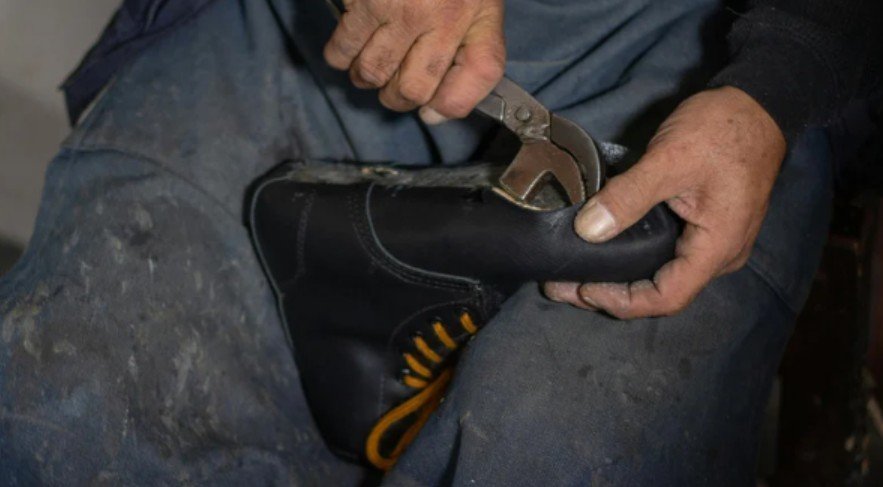
Goodyear welt construction is one of the strongest signs of good quality leather dress shoes. It uses a welt to connect the upper, insole, and outsole.
This method allows shoes to be resoled multiple times without damaging the upper leather, according to Cobbler Union’s construction guide.
A visible welt around the edge is a good sign, but do not trust looks alone. Some cheap shoes add fake welt stitching for decoration.
Blake Stitching
Blake stitching is another premium construction method. It stitches the outsole directly to the insole, creating a sleek and flexible shoe.
I like Blake-stitched shoes for slimmer Italian-style dress shoes. They are lighter than many welted shoes, but usually less water-resistant.
Clean Stitch Density
Good stitching should look neat, tight, and even. Premium shoes often show around 8 to 10 stitches per inch on the upper.
Watch for loose threads, crooked lines, skipped stitches, or messy brogue holes. Those details reveal rushed manufacturing.
Interior and Sole Details to Inspect
Full Leather Lining
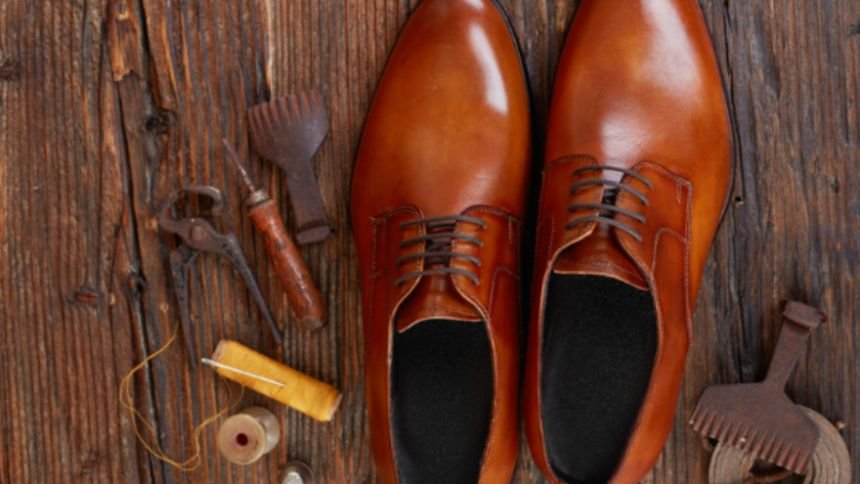
The inside of the shoe matters as much as the outside. A quality dress shoe should have soft leather lining through the heel, tongue, and inner walls.
Leather lining helps absorb moisture and reduce friction. Cheap fabric or synthetic lining can trap heat and wear out quickly.
Cork Interlayer
In many welted shoes, cork sits between the insole and outsole. Crownhill Shoes notes that cork improves adaptability because it compresses and records the wearer’s footprint over time.
That is why quality dress shoes often feel better after break-in. The shoe begins to shape itself around your foot.
Leather Insole and Stacked Heel
A thick leather insole is a major quality sign. It manages moisture better than cheap foam and gives the shoe structure.
The heel also tells the truth. A stacked leather heel uses layers of genuine leather. Budget shoes often use plastic or compressed material wrapped to look like leather.
Finishing Details That Separate Luxury From Cheap Shoes
A quality sole edge should be smooth, stained, and sealed. Rough, dry, or unfinished edges suggest poor finishing.
Luxury dress shoes also use discreet branding. The logo is usually stamped inside the shoe or placed quietly on the sole. Loud branding rarely improves craftsmanship.
Closed channel stitching is another premium detail. The stitches on the sole sit inside a groove, then get covered by a leather flap. This protects the thread and creates a cleaner sole finish.
Common Red Flags in Low-Quality Leather Dress Shoes
The biggest red flag is leather that feels like plastic. If the upper is too shiny, stiff, or cold, it may be heavily corrected or synthetic.
Another warning sign is glued-only construction. Cemented shoes are usually harder to repair than welted shoes. They may be fine for occasional wear, but they are not ideal for long-term value.
Also avoid shoes with loose lining, foam-heavy insoles, cardboard-like heel counters, rough sole edges, and strong chemical smells.
Final Verdict: Don’t Let Shiny Leather Fool You
The real signs of good quality leather dress shoes are not loud. They are hidden in the grain, welt, lining, insole, cork layer, heel stack, stitching, and finishing.
My rule is simple: if the shoe looks refined, bends naturally, smells like leather, has a repairable build, and feels solid inside, it is worth a closer look. If it only looks shiny, keep walking.
FAQs
1. How can you tell if leather dress shoes are good quality?
Check for full-grain leather, clean stitching, leather lining, Goodyear welt or Blake construction, leather insole, and a stacked heel.
2. Are Goodyear welted dress shoes worth it?
Yes, they are worth it if you want long-term durability, better structure, and the option to resole the shoes multiple times.
3. What leather is best for men’s dress shoes?
Full-grain calfskin is the best everyday choice because it is elegant, flexible, durable, and easier to maintain than rare leathers.
4. Do quality leather dress shoes always feel stiff at first?
Some feel firm at first, but they should not feel painful, plasticky, or harsh. Good leather softens and shapes with wear.