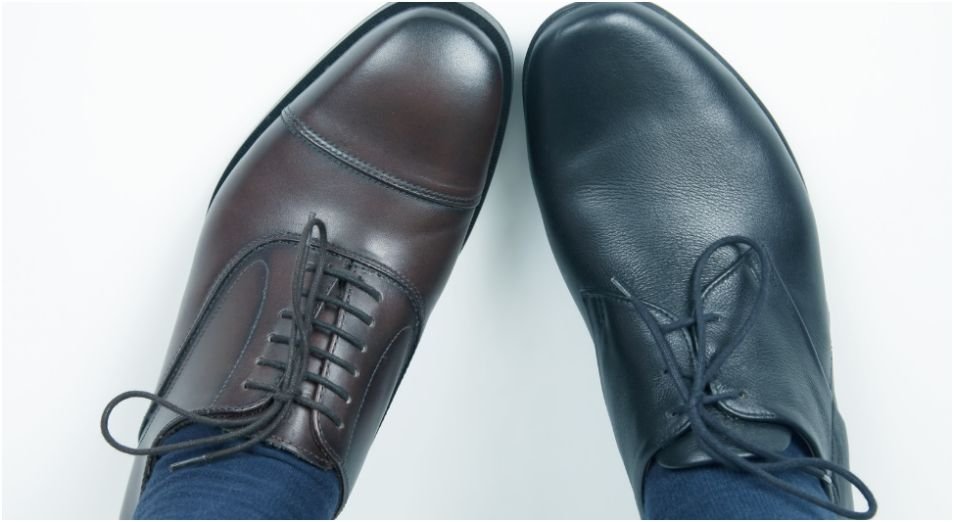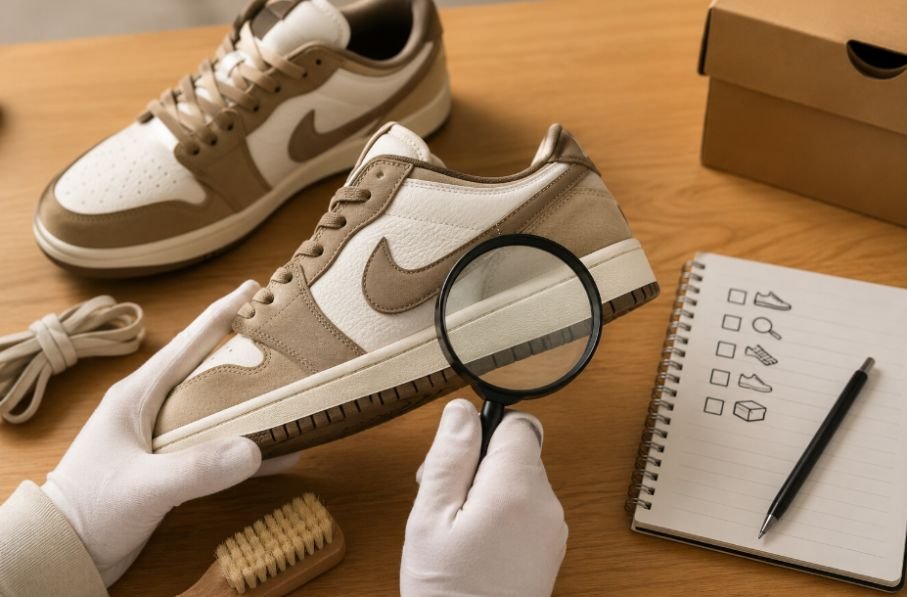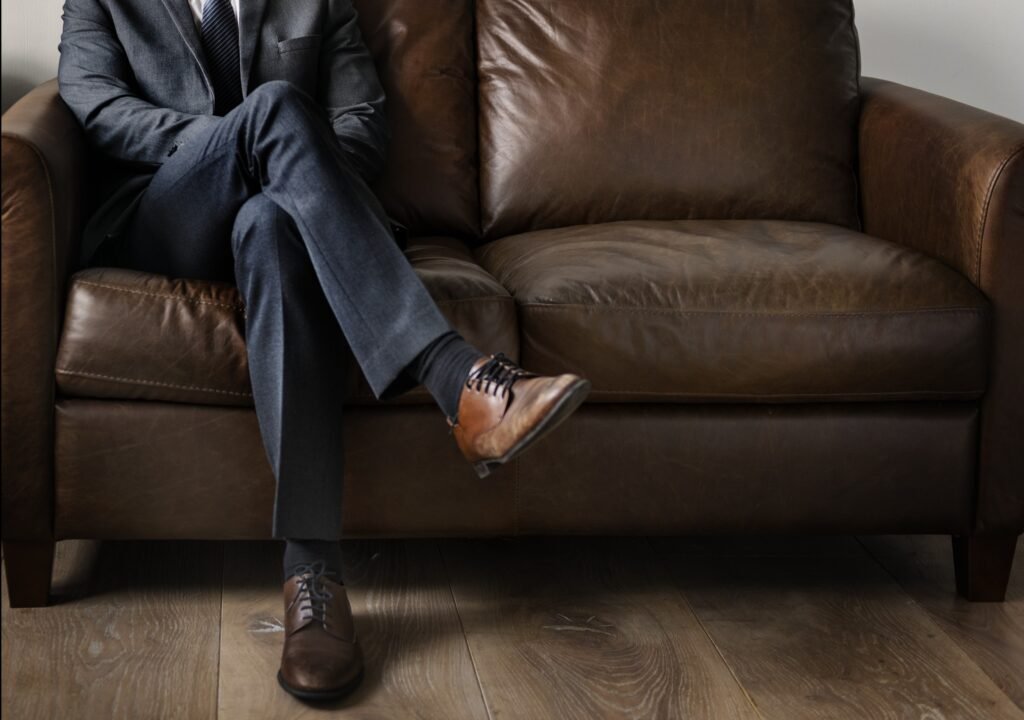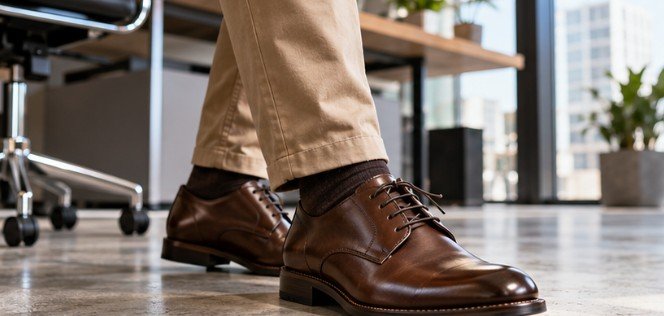
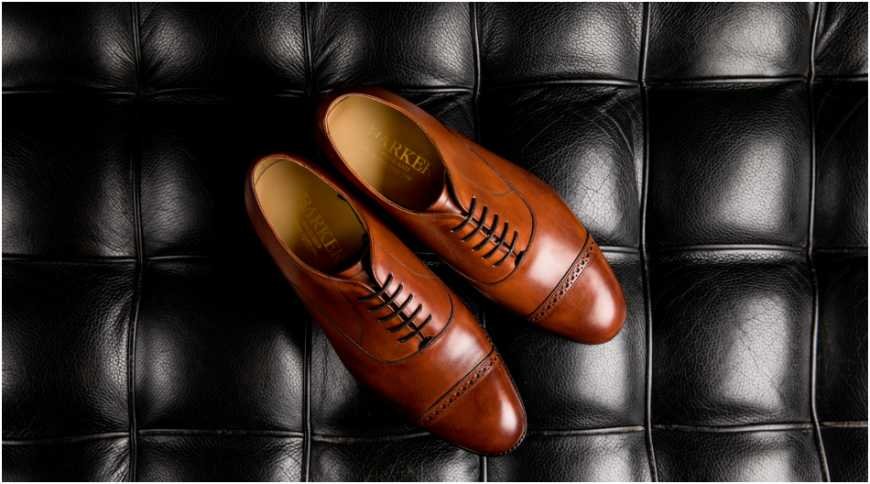
When I compare genuine leather vs full grain dress shoes, I do not just look at the price tag. I look at how the shoe bends, breathes, ages, and survives real wear. Full-grain leather usually wins because it comes from the strongest top layer of the hide, while “genuine leather” often refers to lower split layers that are corrected and coated.
Genuine Leather Vs Full Grain Dress Shoes: The Real Difference
The main difference is the part of the hide used. Full-grain leather keeps the natural grain intact. It has the tightest fiber structure and the most natural surface. Leather sources commonly describe full-grain as the top layer of the hide with its natural grain preserved.
Genuine leather sounds premium, but the label only confirms that the material contains real leather. It does not mean the best leather. In many dress shoes, genuine leather is made from lower split layers after the stronger top grain has been removed.
That difference matters because dress shoes bend at the vamp, absorb foot heat, handle polish, and face daily creasing. A weak leather layer can look clean in the store but age poorly after office wear, weddings, commutes, and long events.
What Full-Grain Leather Means in Dress Shoes
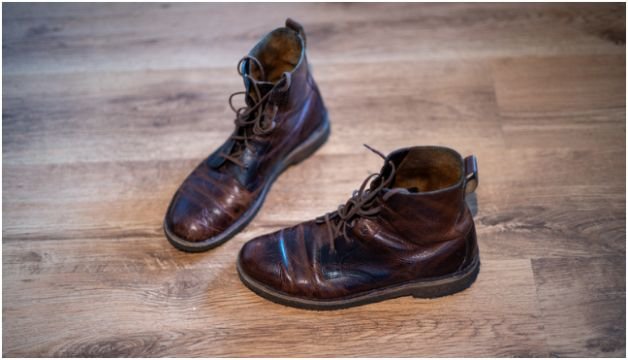
Full-grain leather is the premium choice for men who want dress shoes that improve with age. It keeps the natural surface instead of sanding away marks and stamping on a fake texture.
Why Full-Grain Leather Lasts Longer
The top layer of the hide has dense fibers. That density helps the leather resist tearing, stretching, and deep cracking. In dress shoes, this is important around the toe box, flex point, and heel counter.
A good full-grain Oxford, Derby, loafer, or monk strap can last years with proper care. It also accepts conditioning and polishing better because the surface is not buried under a thick plastic finish.
How Full-Grain Leather Ages
Full-grain leather develops patina. That means the color deepens, the surface gains character, and the shoe starts to look more personal. Small marks do not always ruin it. They often blend into the leather’s natural character.
This is why premium dress shoes rarely look flat or plastic. The leather has depth. Under light, it shows subtle tone changes instead of one artificial color.
What “Genuine Leather” Really Means
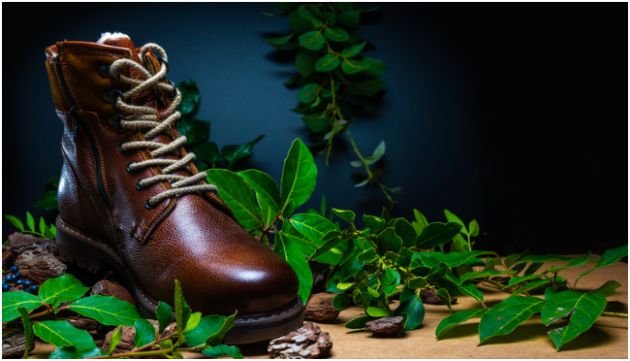
Genuine leather is real leather, but it is usually not the best leather. The phrase can appear on belts, wallets, bags, and budget dress shoes. It often signals a lower-grade material that has been heavily processed.
Why It Looks Good at First
Many genuine leather dress shoes look smooth when new. That is because the surface may be corrected, coated, embossed, or finished to hide flaws. Artificial grain can make every pair look perfectly uniform.
That showroom finish can be tempting. I have seen budget dress shoes look sharp for the first few wears, especially in black. The problem starts later, when the coating creases, peels, or cracks.
Why It Wears Out Faster
Lower split leather does not have the same tight fiber structure as full-grain leather. Once the finish breaks, the shoe can look tired quickly. It may also trap more heat because synthetic coatings reduce breathability.
That matters if you wear dress shoes for work, interviews, church, weddings, or travel. A shoe that looks formal but feels hot and stiff will not stay in your rotation.
Comfort, Breathability, and Daily Wear
Full-grain leather usually feels better over time because it molds to your feet. It starts structured, then softens with wear. The shoe becomes more comfortable without losing its shape.
Genuine leather can feel comfortable at first if the shoe has thick padding. But padding is not the same as quality leather. Once the insole compresses and the upper starts creasing badly, comfort drops.
For daily office wear, full-grain leather is the better long-term option. It breathes better, handles polish better, and looks more refined with age. For one-time events, genuine leather can work if the budget is tight.
Price Vs Value: My Cost-Per-Wear Test
Here is the original test I use when choosing dress shoes: divide the price by expected wears.
A $120 genuine leather shoe worn 40 times costs $3 per wear. If it cracks after one year, the real value is poor.
A $300 full-grain leather shoe worn 300 times costs $1 per wear. If it can be resoled, conditioned, and polished, the value becomes even stronger.
That is why I see full-grain leather as an investment, not just a luxury. The upfront price is higher, but the long-term cost can be lower.
How to Tell Which Leather You Are Buying
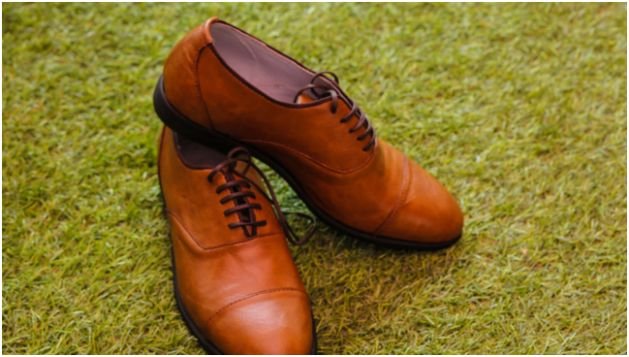
Check the product description first. Look for “full-grain leather upper,” not vague phrases like “premium genuine leather.” If the brand avoids saying full-grain, assume it may not be full-grain.
Touch the leather if you can. Full-grain leather often has slight natural variation. Genuine leather often looks too smooth, too even, or slightly plastic.
Bend the shoe gently. Quality leather creases softly. Heavily coated leather can form sharp, stiff lines.
Also check the price. A very cheap “leather dress shoe” is rarely full-grain. Better materials, better tanning, and better construction cost more.
If you are also choosing shoe colors, compare this with black vs brown leather dress shoes for men before buying. Leather quality matters first, but color decides how often you can wear the pair.
Which One Should You Choose?
Choose full-grain leather dress shoes if you want long-term durability, better breathability, natural aging, and a polished look that improves with care. It is the smarter choice for work, formal events, business outfits, and serious wardrobes.
Choose genuine leather dress shoes only if you need a low-cost pair for occasional use. They can be useful for a single event, a backup pair, or a short-term budget purchase.
For me, the answer is simple. If the shoe will be worn often, I choose full-grain. If it will sit in a closet after one event, genuine leather may be enough.
FAQs
1. Is genuine leather good for dress shoes?
Genuine leather is acceptable for occasional dress shoes, but it usually lacks the durability and aging quality of full-grain leather.
2. Are full-grain leather dress shoes worth it?
Yes, full-grain leather dress shoes are worth it if you want better comfort, longer wear, and a natural patina.
3. Does genuine leather crack faster than full-grain leather?
Yes, genuine leather often cracks faster because it is usually made from weaker split layers with coated finishes.
4. What is better for formal shoes, genuine leather or full-grain leather?
Full-grain leather is better for formal shoes because it looks richer, lasts longer, and handles polishing better.
Final Take: Don’t Let the Label Flirt With You
The genuine leather vs full grain dress shoes debate comes down to honesty. Full-grain tells you the shoe is made from the strongest, most natural part of the hide. Genuine leather only tells you the shoe contains real leather.
My tip is simple: buy fewer dress shoes, but buy better leather. A full-grain pair in black or dark brown will outdress, outlast, and outshine most cheap pairs pretending to be premium.