A good pair of formal shoes has a way of quietly upgrading everything else you wear. Many people spend hours choosing suits, shirts, and accessories but pick shoes quickly without looking at quality, comfort, or long-term use. Over time, those rushed purchases often sit untouched because they hurt, wear out quickly, or no longer match personal style.
Building a timeless footwear collection is not about owning dozens of pairs. It is about choosing shoes that stay useful through changing trends, different occasions, and years of wear. These formal shoe buying tips focus on finding pairs that balance craftsmanship, comfort, and classic design so every purchase feels intentional.
Why Choosing the Right Formal Shoes Matters More Than You Think
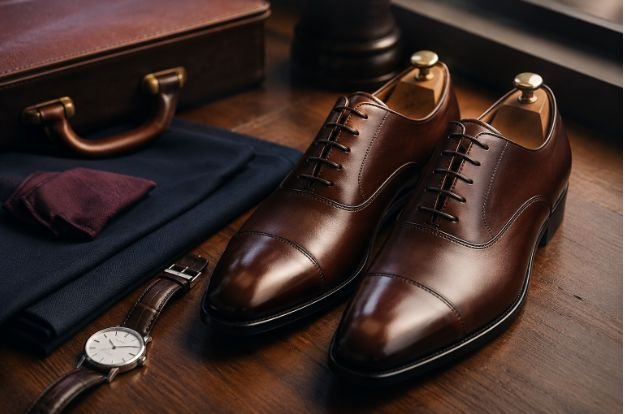
Formal shoes do more than complete an outfit. They influence posture, confidence, and how polished your overall appearance feels. A well-made pair can work across business meetings, weddings, dinners, and everyday professional settings.
The biggest mistake many buyers make is choosing based only on appearance. A shoe might look attractive on display, but factors like footwear construction, leather quality, arch support, and fit determine whether it actually becomes a long-term wardrobe essential.
Instead of following short-lived trends, focus on timeless silhouettes, durable materials, and colors that naturally pair with different outfits.
Start With Classic Styles That Stay Relevant
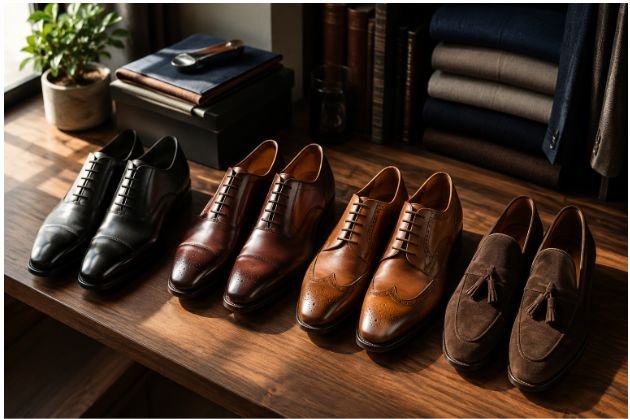
A strong formal shoe collection begins with versatile designs. Classic styles remain popular because they adapt well to different dress codes and personal preferences.
Oxford Shoes
Oxford shoes are considered one of the most traditional formal options. Their closed lacing system creates a clean and elegant look, making them suitable for suits, formal events, and professional environments.
A black Oxford shoe is often one of the smartest first investments because it works well with darker suits and more traditional occasions.
Derby Shoes
Derby shoes offer a slightly more relaxed approach while still looking refined. Their open lacing system provides extra flexibility, which many people find more comfortable for everyday wear.
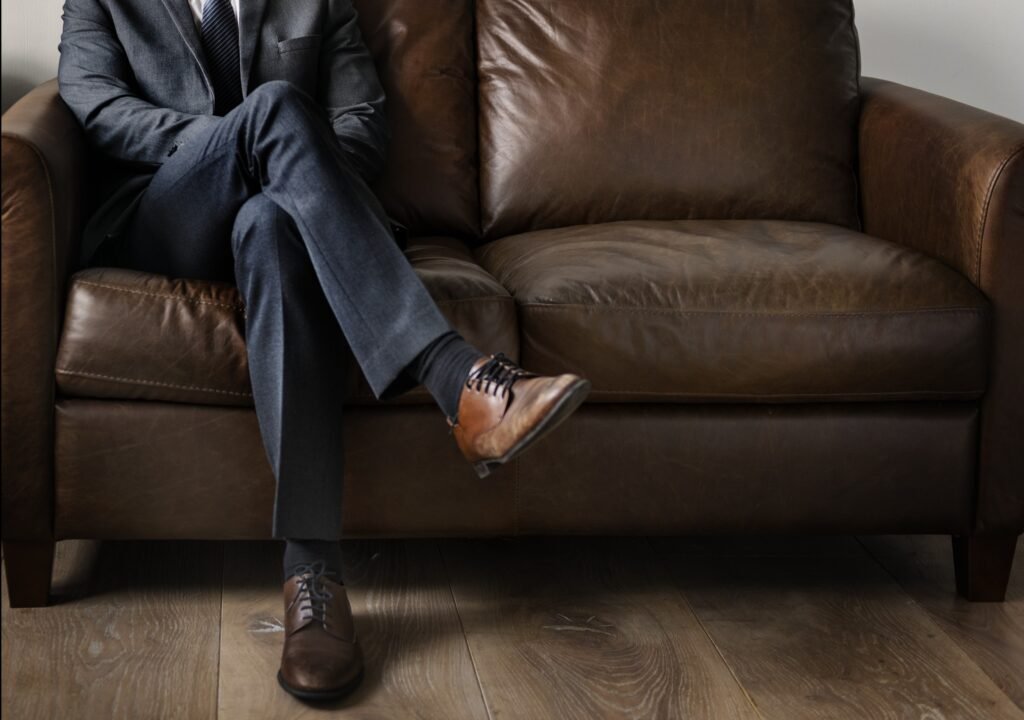
A dark brown Derby pairs easily with navy, grey, and neutral-colored clothing, making it one of the most practical choices in a modern wardrobe.
Loafers, Monk Straps, and Chelsea Boots
Loafers bring convenience and style together. Penny and tassel loafers especially work well for business casual outfits while maintaining a polished appearance.
Monk strap shoes replace traditional laces with metal buckles, giving a sleek and distinctive look. Chelsea boots add another versatile option with their ankle-high shape and clean design, especially for people who prefer modern formal footwear.
Pay Attention to Materials and Footwear Construction
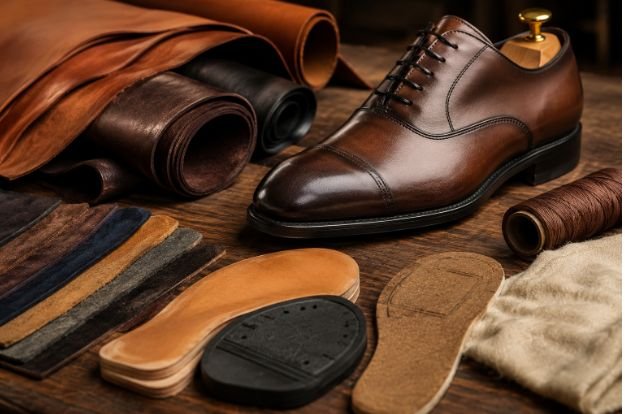
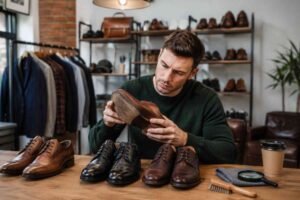
One of the most important formal shoe buying tips is learning what separates a lasting pair from an average one. Materials and construction usually reveal the real value of a shoe.
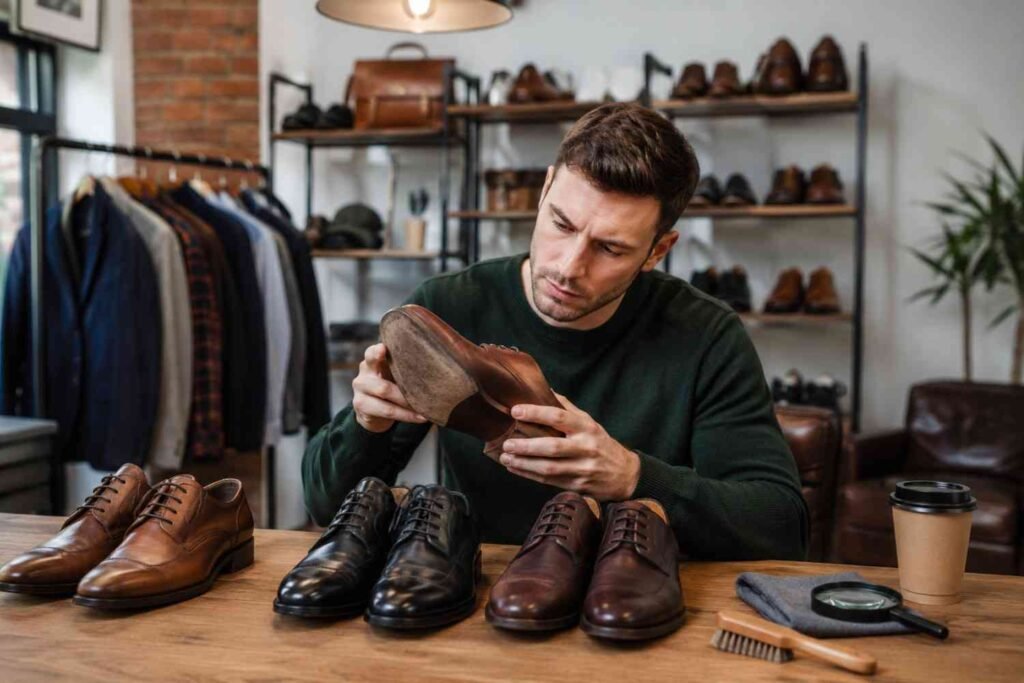
Full-grain leather is considered the highest-quality choice because it keeps the natural texture of the leather and develops a unique patina over time. Top-grain leather is another durable option that provides a smoother appearance and good resistance to everyday wear.
Heavily processed corrected-grain leather may look perfect initially, but it often ages poorly because the surface can crack or lose its finish faster.
Construction also matters. Goodyear welt construction is valued because it allows shoes to be resoled, extending their lifespan. Blake stitching creates a lighter and more flexible shoe while still maintaining quality craftsmanship. Cemented soles, which rely mainly on glue, are usually harder to repair once they separate.
Think About Versatility Before Buying Another Pair
A timeless collection works because every pair serves a purpose. Instead of buying several similar designs, choose shoes that cover different occasions.
A practical formal shoe collection usually includes:
- Black leather shoes for traditional formal settings
- Dark brown shoes for daily professional wear
- Burgundy or oxblood shoes for added personality and flexibility
Neutral shades usually provide better cost-per-wear because they match more clothing combinations. A versatile pair worn regularly often delivers more value than a trendy design used only once or twice.
Look Beyond Price and Understand Long-Term Value
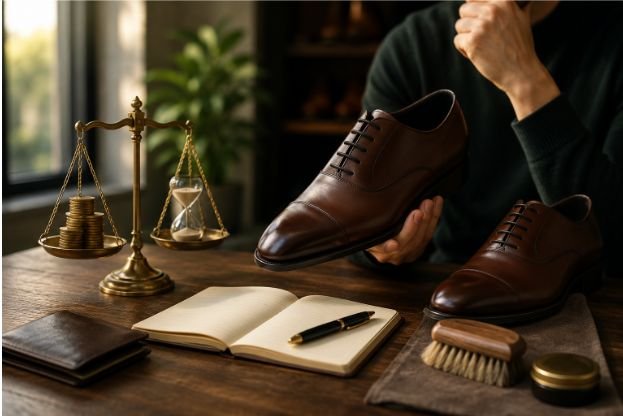
The cheapest option is not always the most affordable in the long run. A carefully made pair with strong materials may cost more initially but can provide years of reliable use with proper care.
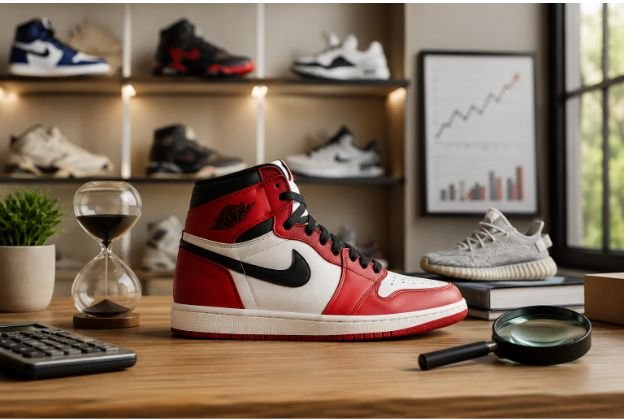
Quality shoes also tend to maintain their structure, comfort, and appearance better over time. People interested in understanding how footwear quality affects long-term worth often compare craftsmanship, demand, and condition through resources like a resale shoe value guide before evaluating their collections.
Thinking beyond the purchase price encourages smarter decisions and helps build a collection based on lasting value rather than temporary trends.
Common Mistakes People Make When Buying Formal Shoes
Many buyers focus only on brand names or current fashion trends instead of evaluating actual quality. A recognizable label does not always guarantee better materials or stronger construction.
Ignoring lifestyle is another common mistake. Someone attending formal events frequently may need different shoes than someone looking for daily office footwear.
The best formal shoes for men are usually the ones that match personal routines while offering durability, comfort, and timeless style.
Frequently Asked Questions: Formal Shoe Buying Tips for Building a Timeless Footwear Collection
How many formal shoes should someone own?
A small collection of three to five quality pairs is usually enough. Choosing different styles and colors provides more flexibility than owning many similar shoes.
What color formal shoe is the most versatile?
Dark brown is one of the most versatile options because it works with navy, grey, beige, and many professional outfits while feeling slightly less traditional than black.
Are expensive formal shoes always better?
Not always. Price alone does not determine quality. Leather type, stitching method, comfort, and overall footwear construction are better indicators of long-term value.
How can formal shoes last longer?
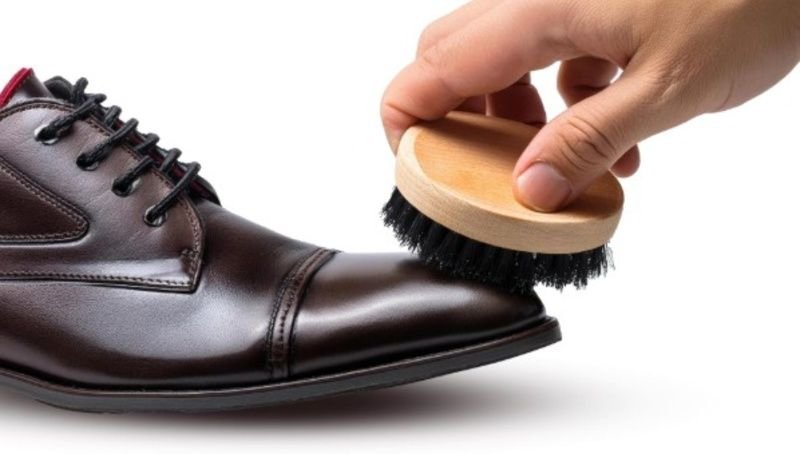
Proper maintenance makes a major difference. Rotate pairs, use shoe trees, clean the leather regularly, and condition the material to prevent drying and cracking.
Why Quality Formal Shoes Stay Part of Your Wardrobe
The best formal shoes are rarely the ones bought because of a passing trend. They are the pairs that continue looking appropriate year after year because the design, materials, and craftsmanship were chosen carefully. A timeless footwear collection grows through thoughtful decisions, not constant replacements.
When shoes offer comfort, durability, and effortless style, they become pieces you naturally reach for again and again.