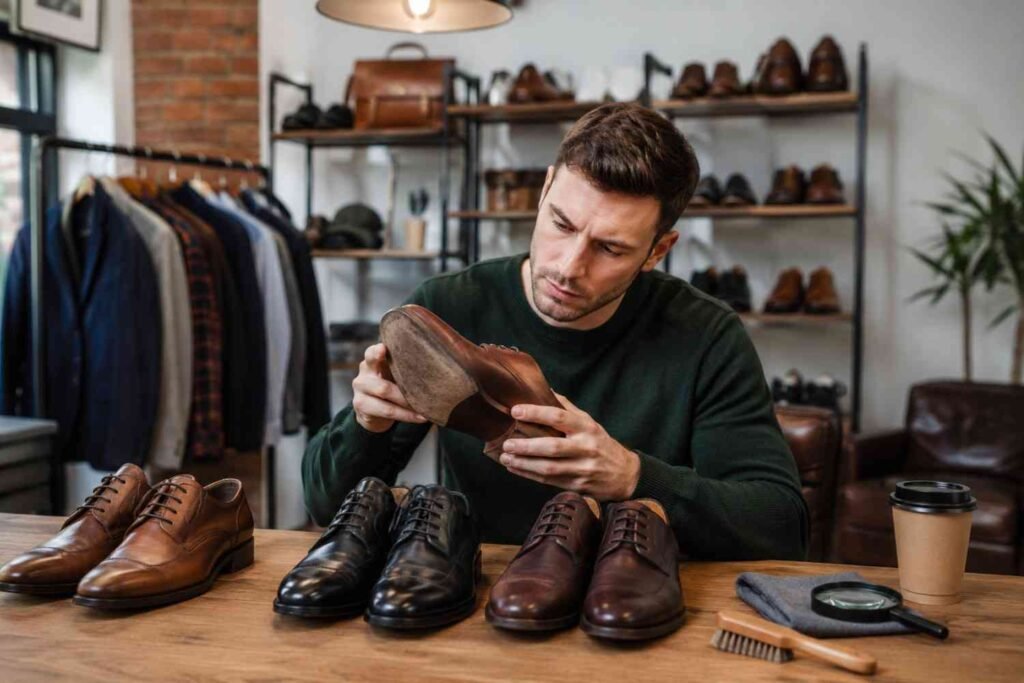
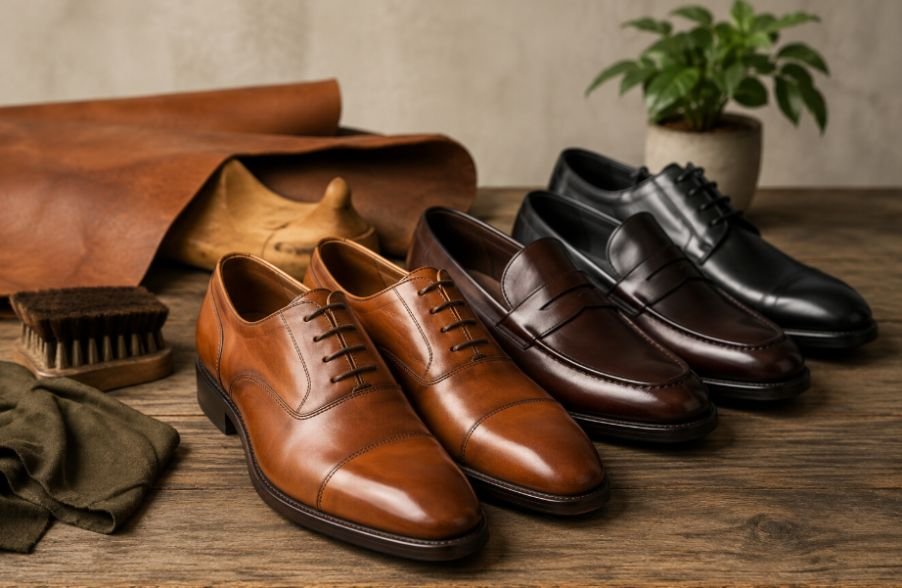
A great pair of leather shoes has a different kind of character. The small changes in texture, the natural creases, and the way the material adapts over time often tell a story that brand-new shoes simply do not have. That is one reason more people are becoming interested in pre-owned footwear instead of replacing pairs every season.
Buying secondhand shoes is not only about saving money. A well-made leather pair can last for years when it has strong construction, quality materials, and proper care behind it. This used leather shoes guide will help you understand what makes a pair worth choosing and what signs suggest you should keep looking.
Why Used Leather Shoes Are Becoming a Smarter Choice
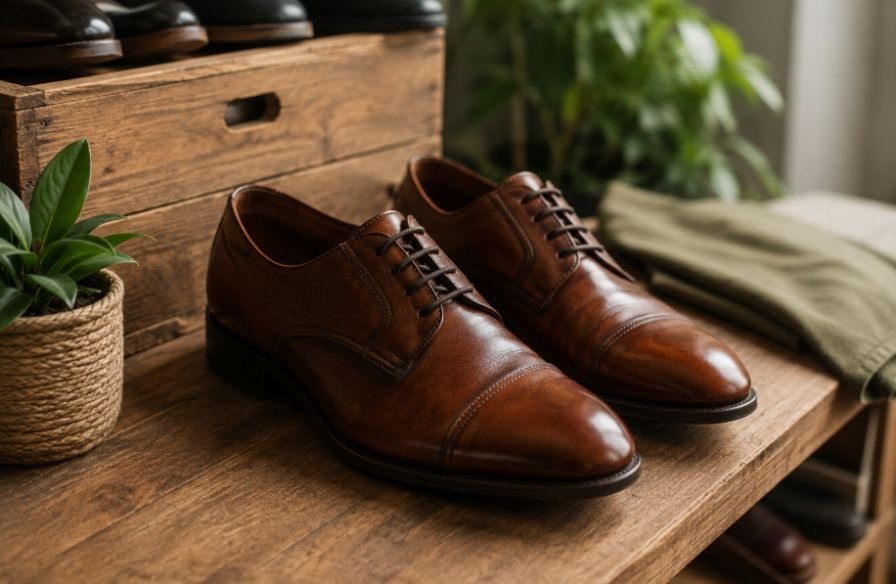
Many older leather shoes were built with durability in mind. Instead of focusing only on trends, quality footwear often included stronger stitching methods, better leather selection, and designs that could be repaired over time.
The biggest advantage is value. A premium pair that originally carried a higher price can sometimes be found at a much lower cost. When you think about cost-per-wear, a durable pair worn for years may offer better value than cheaper shoes replaced every few months.
There is also a sustainability benefit. Choosing pre-owned leather footwear supports a more circular approach by extending the lifespan of existing products and reducing unnecessary waste.
Start by Inspecting the Leather Quality
The first thing to check is the leather itself. Appearance matters, but the feel, flexibility, and aging signs usually reveal more about quality.
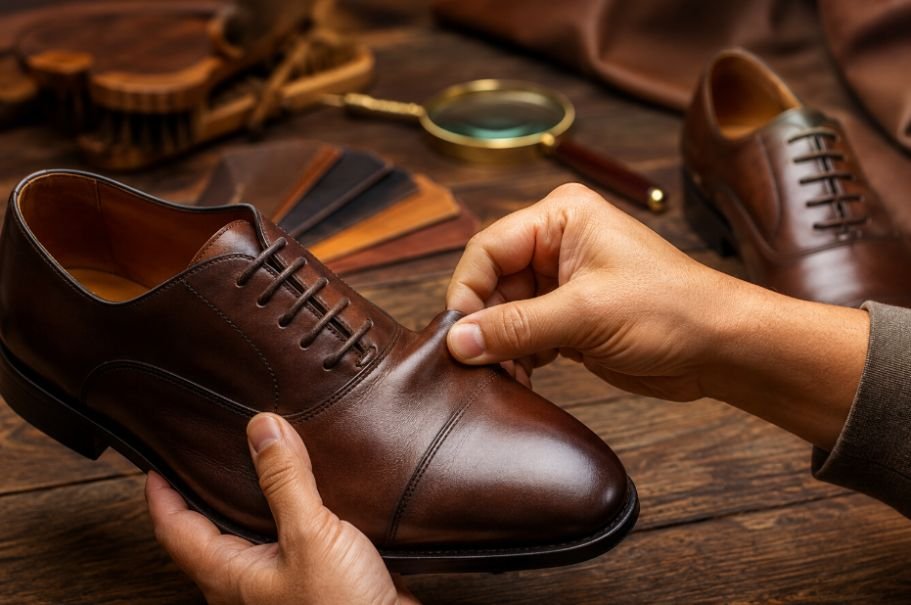
Full-grain leather is often considered the highest-quality option because it keeps the natural surface of the hide. Over time, it develops a rich patina instead of simply wearing out. Small marks and color changes can actually add character when the leather structure is still strong.
Corrected-grain leather or heavily coated materials may not age the same way. These surfaces are often treated to hide imperfections, which can make restoration harder if cracking or peeling starts.
A simple touch test can tell you a lot. Press the leather gently and watch how it reacts. Quality leather usually forms small, natural creases, while lower-quality materials may create deeper wrinkles or feel stiff and plastic-like.
The smell can also offer clues. Real leather often has a noticeable earthy scent. Strong chemical or glue-like odors may suggest synthetic materials or lower-quality manufacturing.
Pay Attention to Footwear Construction
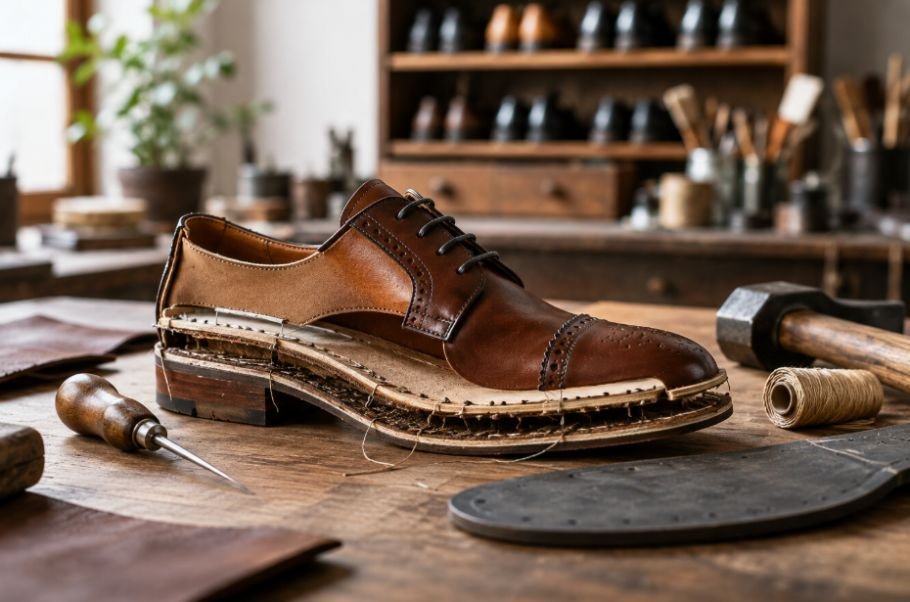
A good-looking shoe is not always a well-built shoe. Construction plays a major role in how long a pair will last.
Quality leather shoes often use stitched construction instead of relying only on adhesives. Methods like Goodyear welt and Blake stitching allow shoes to hold their shape better and make repairs easier.
Look closely around the connection between the upper leather and the sole. Loose edges, visible glue, or separation can mean the shoe is already weakening. Repairs may sometimes cost more than buying another pair.
The lining deserves attention too. Premium leather shoes commonly include leather interiors because they manage comfort and moisture better. Synthetic linings or worn foam materials may trap sweat and create odor problems over time.
Look Beyond the Outside Condition
It is easy to focus on polished leather, but the inside of the shoe often reveals its true condition.
Check the insoles carefully. Leather footbeds naturally adjust to the person who wore them before. A slight shape is normal, but deep impressions may affect comfort because the shoe has already molded heavily to another foot.
The heel lining is another important area. This part deals with constant friction, so damage here is common. Torn material near the back of the shoe can cause discomfort or blisters.
The outsole also tells a story. Thin areas, holes, or extreme wear patterns are signs to reconsider the purchase. Some quality shoes can be resoled, but repair costs should always make sense compared with the value of the pair.
Common Mistakes People Make When Buying Used Leather Shoes
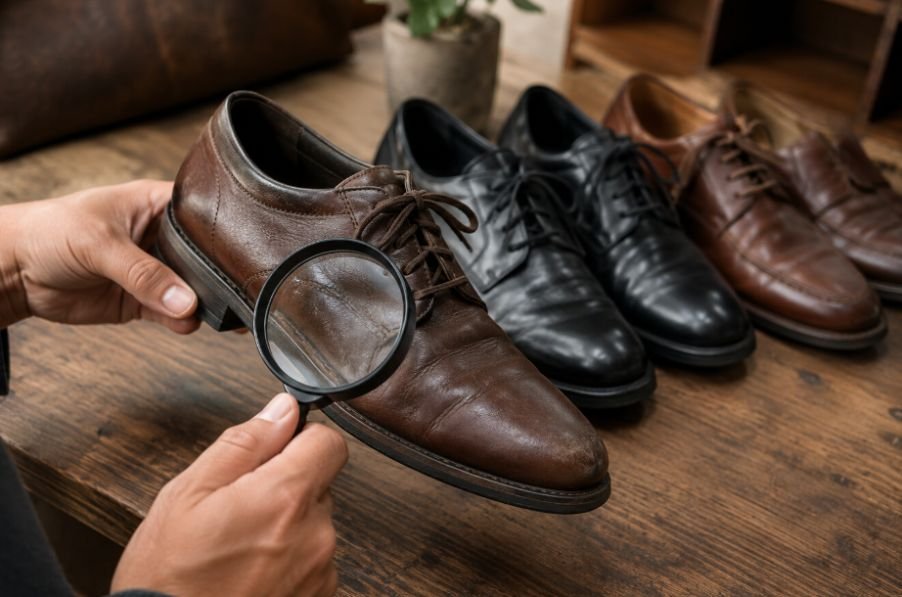
A common mistake is choosing shoes only because they look stylish. A polished surface can hide problems with structure, comfort, and durability.
Before buying, always check:
- Uneven heel wear that affects balance
- Cracked leather that cannot absorb conditioner
- Damaged stitching around important areas
- Strong odors inside the shoe
- Soles that are close to wearing through
Explore more resale shoe buying guides before choosing a second hand pair, especially if you are comparing brands, condition, fit, and repair value.
Another mistake is ignoring fit. Leather can soften over time, but it cannot completely change size. Proper arch support, enough toe space, and a comfortable shape matter more than getting a popular brand name.
Many shoppers explore secondhand options because there is no phrase that perfectly describes the satisfaction of finding a well-crafted pair that still has years of life left.
How to Clean and Restore Used Leather Shoes
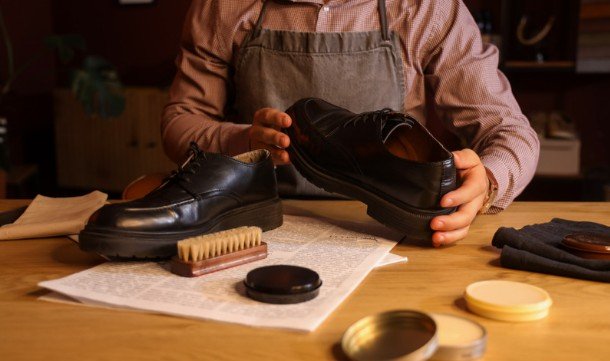
Cleaning should always be the first step after purchasing pre-owned leather shoes. Even pairs that look clean need basic care before regular wear.
Start by refreshing the inside. A light disinfecting process helps remove bacteria and odors. Allow the shoes to dry completely because trapped moisture can damage leather.
Cedar shoe trees are useful because they absorb moisture and help maintain the original shape. They can also reduce deep creasing caused by storage or previous use.
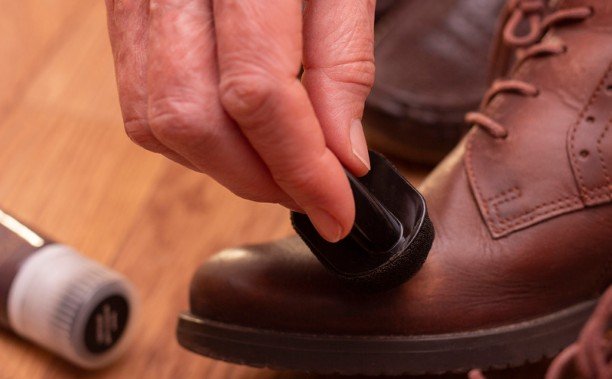
For the exterior, remove surface dirt before applying products. Saddle soap can help clean leather, while a quality leather conditioner restores moisture and flexibility. Leather naturally loses oils over time, so conditioning prevents dryness and cracking.
Frequently Asked Questions:
1. Are used leather shoes worth buying?
Yes, used leather shoes can be worth buying when they are made from quality materials and have been maintained properly. Premium leather footwear can last for many years with regular cleaning, conditioning, and repairs.
2. How can you tell if used leather shoes are good quality?
Check the leather texture, stitching, sole construction, lining, and overall shape. High-quality leather usually feels flexible, develops natural creases, and maintains its structure over time.
3. Should you clean secondhand leather shoes before wearing them?
Yes, always clean and sanitize secondhand shoes before wearing them. Refreshing the interior and conditioning the leather helps improve comfort, hygiene, and longevity.
4. What type of leather is best for used shoes?
Full-grain leather is usually the best choice because it is strong, durable, and develops a natural patina. It often handles years of wear better than heavily treated leather.
Why Well-Made Leather Shoes Always Find Their Way Back
Quality footwear lasts because thoughtful craftsmanship does not disappear after the first owner. A carefully made leather shoe can continue providing comfort, style, and reliability when the materials and structure remain strong. Understanding details like leather quality, construction methods, and maintenance habits makes choosing secondhand pairs much easier.
Trends change quickly, but durable design stays valuable. The best shoes are often the ones built well enough to keep moving forward.