Buying a good pair of shoes used to be about comfort, style, or replacing something worn out. Today, many shoppers think one step further. They want footwear that looks good now but can still attract buyers years later. That shift has made resale value part of the conversation, whether someone collects sneakers or invests in well-made leather shoes.
The good news is that shoes that hold resale value aren’t always the most expensive pairs on the shelf. They usually share a few important traits: quality construction, timeless design, steady demand, and proper care. Understanding those factors can help you spend your money wisely while building a collection that’s enjoyable to wear and easier to resell.
Why Some Shoes Keep Their Value Better Than Others
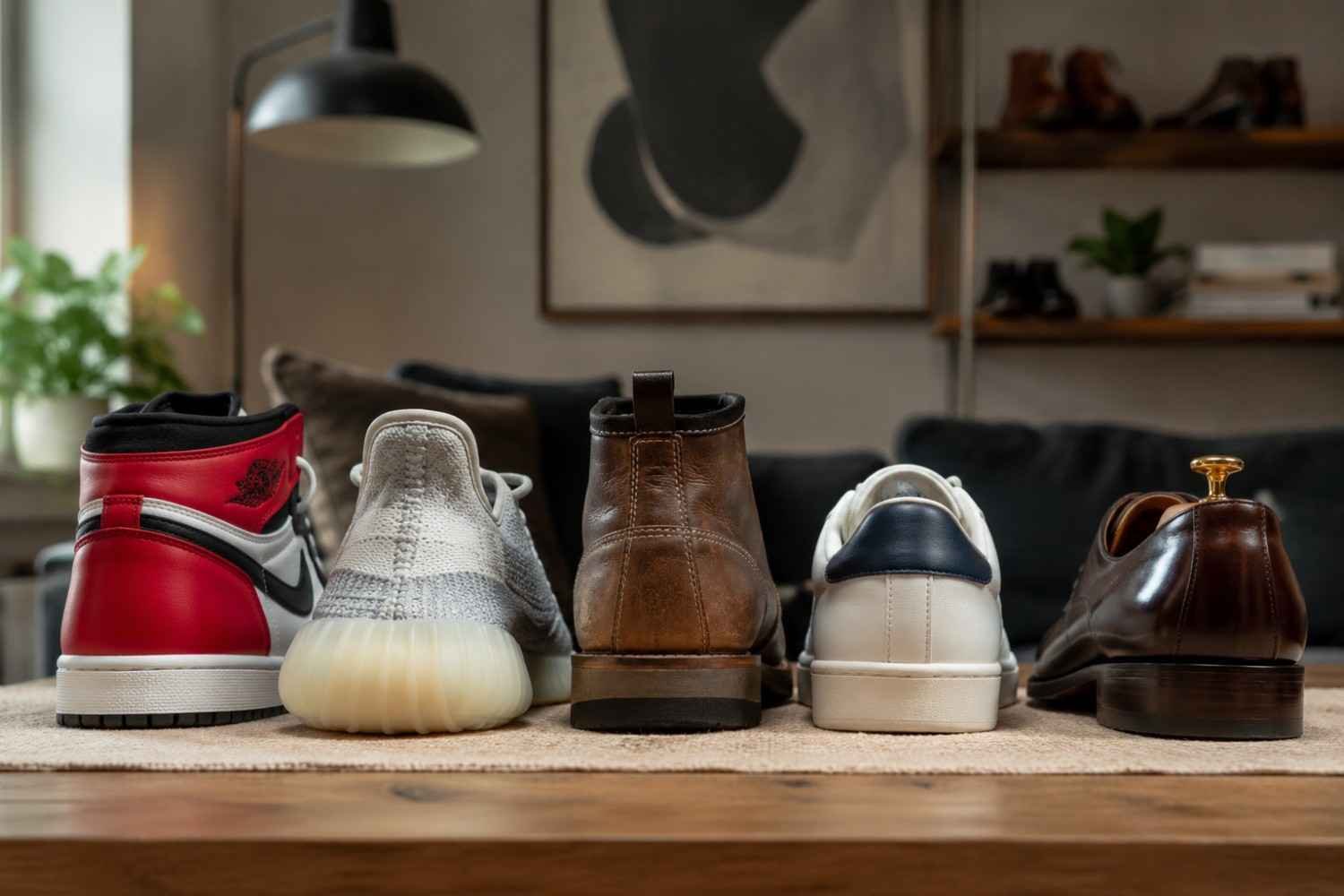
Not every popular shoe becomes valuable on the resale market. Trends come and go, but certain styles continue attracting buyers because they offer something beyond hype.
Classic silhouettes rarely feel outdated, premium materials age better, and strong brand heritage builds buyer confidence. Limited production runs also create scarcity, which often pushes resale prices higher once a release sells out.
Another factor is cost-per-wear. A shoe that lasts for years while maintaining its appearance often delivers better value than a cheaper pair that needs replacing every season. That’s why experienced buyers often look beyond the original price tag and focus on durability, footwear construction, and long-term demand.
Premium Sneakers Continue to Lead the Market
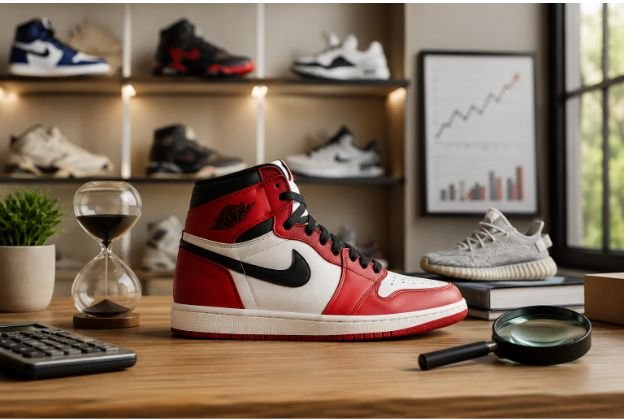
Sneakers dominate many resale marketplaces, but only a small percentage consistently appreciate or maintain their value.
Models like the Air Jordan 4 remain highly sought after because classic colorways appeal to both collectors and everyday wearers. Nike SB Dunk collaborations also continue attracting attention thanks to limited releases and creative partnerships that make each drop feel unique.
New Balance has quietly become another favorite among resale buyers. Models such as the 550, 9060, and 2002R combine comfort with the growing popularity of retro runner aesthetics. Rather than relying solely on limited releases, these shoes benefit from timeless styling that continues attracting new buyers.
While resale prices fluctuate, established silhouettes usually perform better than shoes built around short-lived fashion trends.
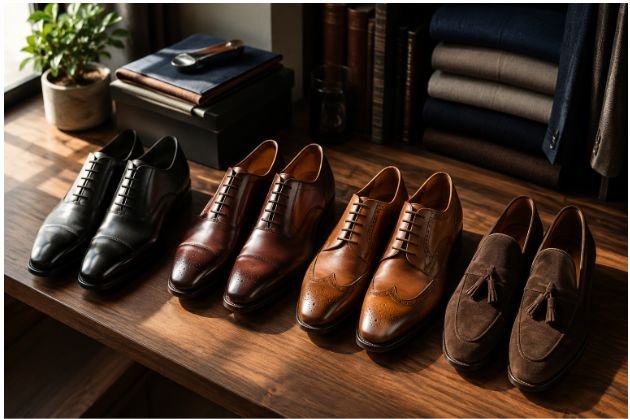
Classic Leather Shoes Offer Long-Term Value
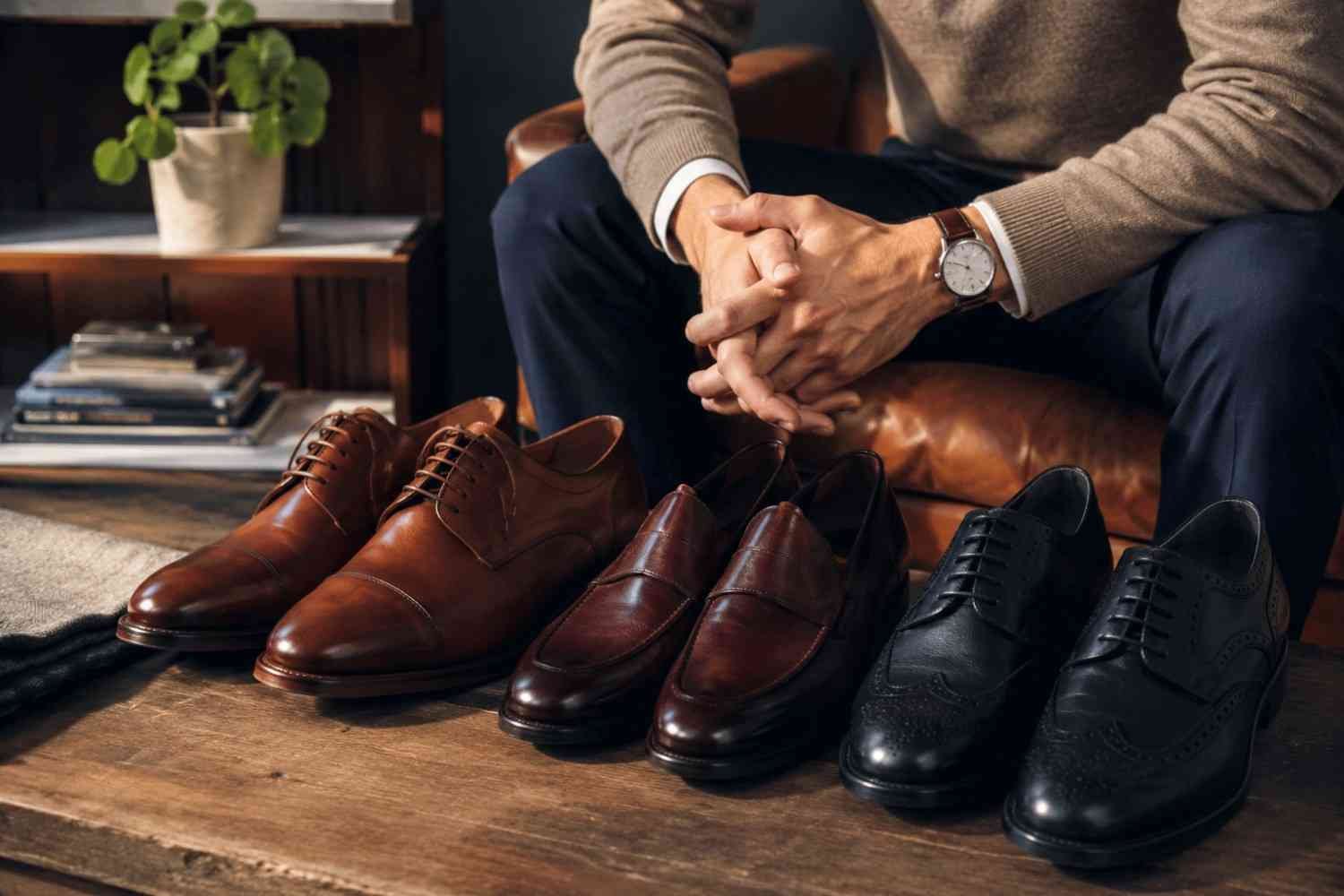
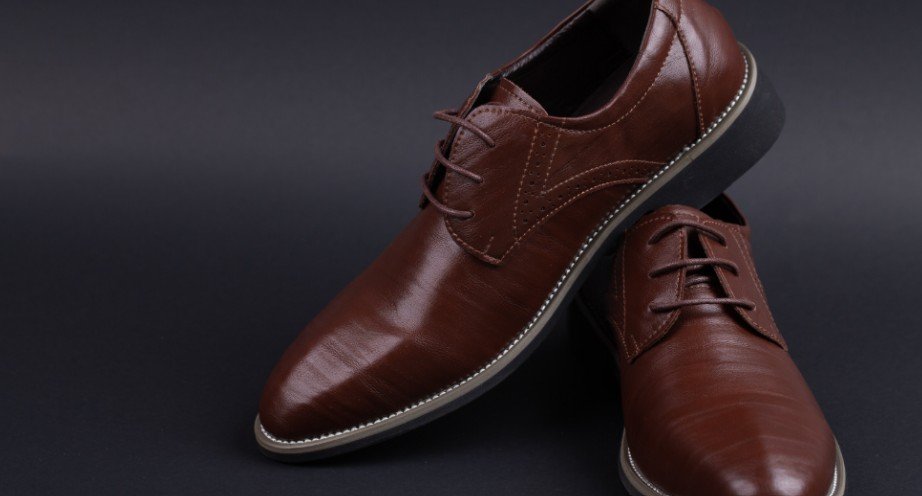
Sneakers receive most of the attention, but well-crafted leather shoes often provide exceptional long-term value.
Horse-bit loafers from Gucci remain popular because they have changed very little over the decades. Their timeless design makes them relevant across different fashion cycles, helping maintain steady demand in the secondary market.
Construction also matters. Shoes built with Goodyear welt or Blake stitch methods can often be resoled instead of discarded. Combined with full-grain leather, quality craftsmanship allows these shoes to age gracefully rather than fall apart after regular use.
For buyers who prioritize longevity over hype, premium leather footwear can deliver excellent value while remaining wearable for many years.
Condition Matters More Than the Brand
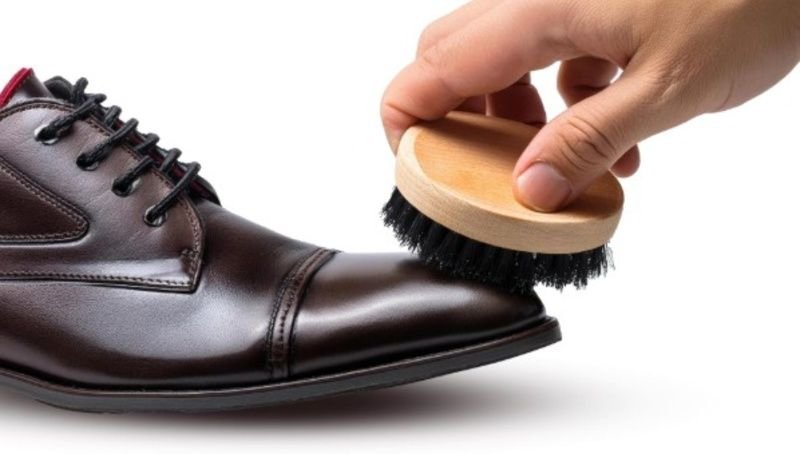
Even the most desirable shoe can lose significant value if it isn’t cared for properly.
Creasing, worn heels, damaged soles, stains, and missing accessories all influence what buyers are willing to pay. That’s why experienced collectors store shoes carefully instead of leaving them exposed to dust, moisture, or direct sunlight.
Using shoe trees helps preserve the original shape, while dust bags protect premium materials during storage. Keeping the original box, spare laces, tags, and receipts can also make a noticeable difference when it’s time to sell.
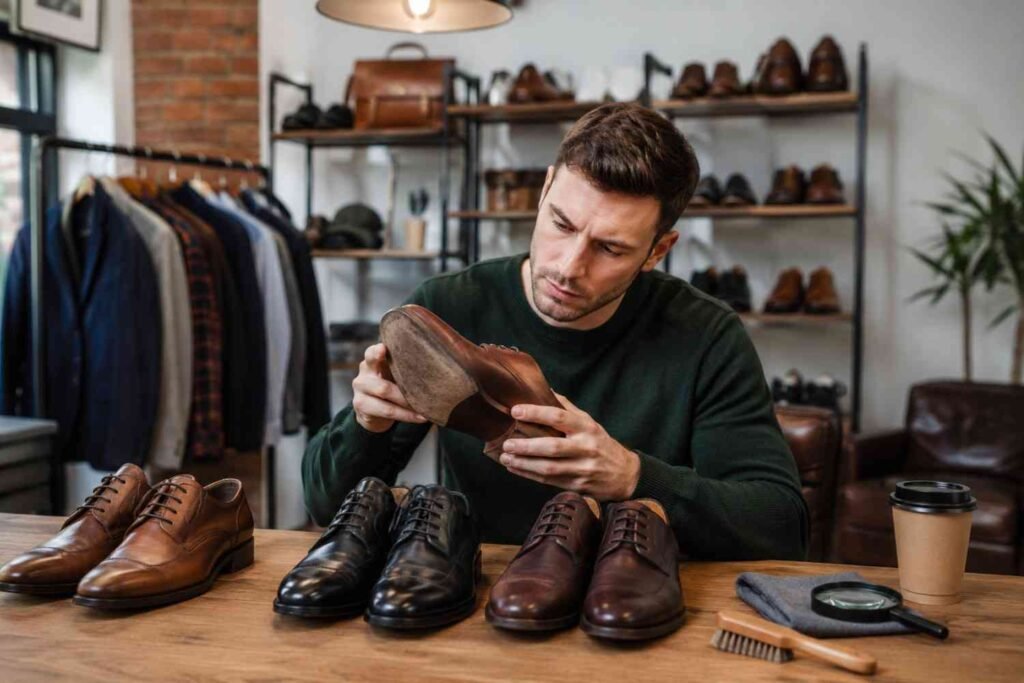
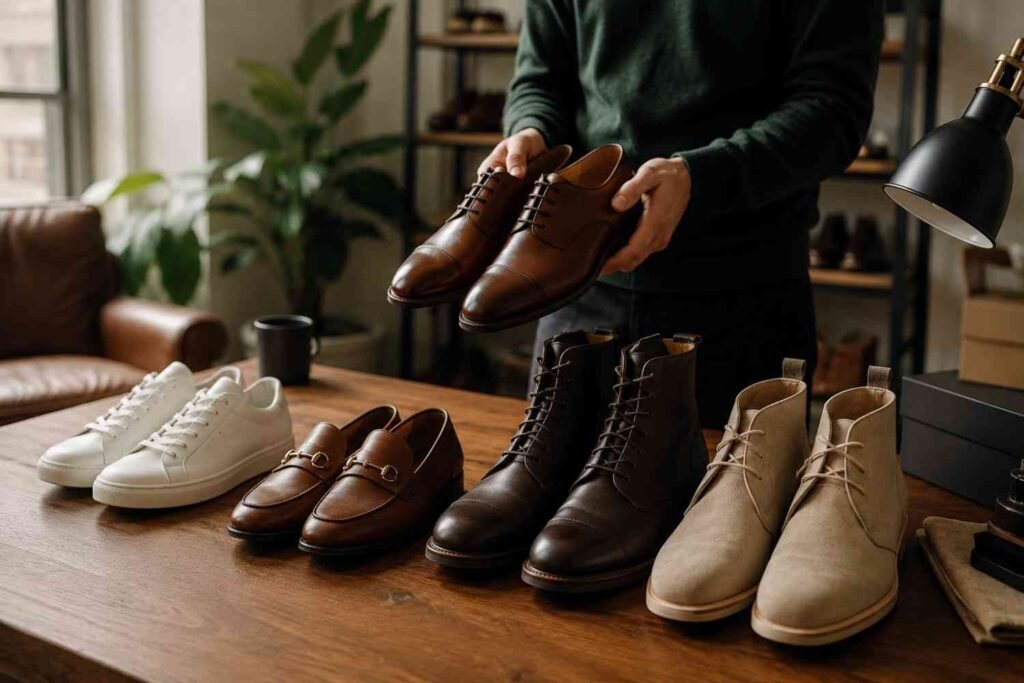
If you’re buying pre-owned footwear, learning how to judge the condition of resale shoes is just as important as choosing the right brand. Small details often separate a great deal from an expensive mistake.
Size and Demand Play a Bigger Role Than Most Buyers Expect
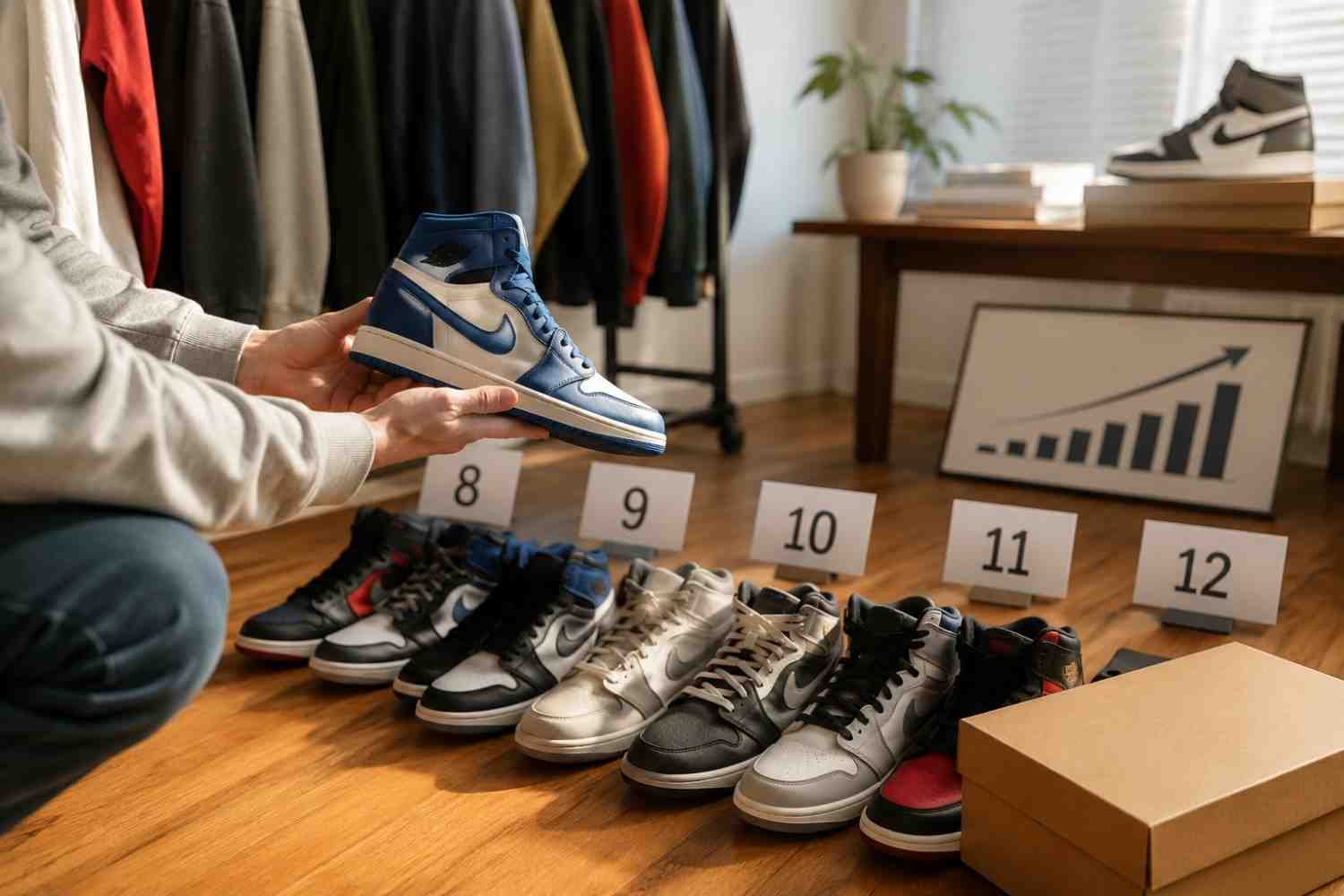
One overlooked factor is sizing.
Average men’s sizes between US 8.5 and 11 and women’s sizes around US 7 to 8 generally attract the largest pool of buyers. That broader demand often makes them easier to resell than uncommon sizes.
Limited availability can also increase resale value, but only when genuine buyer demand exists. A rare shoe without interested buyers isn’t necessarily valuable. Successful resale usually comes from the combination of scarcity, reputation, authenticity, and lasting appeal.
Should You Buy Shoes as an Investment?
It’s tempting to view every limited release as an investment, but the resale market doesn’t always move in one direction.
Some collaborations gain value quickly, while others decline once initial excitement fades. Rather than chasing every release, it’s usually smarter to buy shoes you’d genuinely enjoy wearing. If they happen to retain their value, that’s an added benefit rather than the only reason for purchasing them.
Checking historical sales and live pricing through established resale platforms can also provide a clearer picture before making a purchase. Looking at completed sales often tells a more accurate story than asking prices alone.
Ultimately, the best purchases balance craftsmanship, comfort, timeless design, and market demand. Those qualities tend to outlast seasonal trends and offer better long-term satisfaction.
FAQs: Shoes That Hold Resale Value: Smart Picks for Long-Term Wear
1. Which shoes usually have the best resale value?
Limited-edition sneakers, heritage runners, and premium leather shoes often retain value because they combine strong demand, recognizable designs, and quality craftsmanship.
2. Does wearing shoes always reduce their resale value?
Normal wear can lower value, but careful maintenance, clean uppers, good soles, and original packaging help preserve resale prices surprisingly well.
3. Are luxury shoes better investments than sneakers?
Not always. Luxury shoes often provide steady long-term value, while popular sneaker collaborations can experience faster price changes depending on collector demand.
4. How can I improve the resale value of my shoes?
Store them properly, use shoe trees, keep the original box and accessories, clean them regularly, and avoid unnecessary damage. Buyers consistently pay more for shoes that look well cared for.
The Best Pairs Are Worth More Than Their Price Tag
The shoes that hold resale value aren’t simply the rarest or the most expensive. They’re the pairs people continue wanting years after release because they’re well made, easy to wear, and built to last. Whether you prefer collectible sneakers or timeless leather footwear, focusing on quality over hype usually leads to better purchases.
A smart shoe isn’t just one that sells for more later. It’s one you’ll enjoy wearing every step of the way.