Stepping into a high-stakes meeting or a weekend wedding in a flawless outfit changes your entire posture. Walking into a tailor shop years ago, the clothier pointed at my sleeve and asked if I wanted working buttonholes. Looking back, that single design choice changed how I viewed the anatomy of a premium garment forever.
Choosing functional cuffs on suit outfits is one of those insider style secrets that separates the casual dressers from the true sartorial aficionados. It is a tiny, low-profile detail that speaks volumes about your appreciation for classic menswear and fine craftsmanship without saying a word.
The Tailoring History Behind Surgeon’s Cuffs
The fascinating world of high-end men’s tailoring is built on small choices that possess deep historical meaning. Every time you look at a premium blazer, you are wearing a piece of living history.
Back in the nineteenth century, military field surgeons in London were required to maintain strict dress codes, meaning they had to treat patients while wearing full suits.
To keep from ruining their expensive wool garments with fluids, Savile Row tailors engineered functional sleeve buttons so doctors could easily roll their sleeves up.
Making Sense of Kissing and Waterfall Buttons
Modern custom clothiers love to play with the physical arrangement of these working elements to showcase distinct international styles.
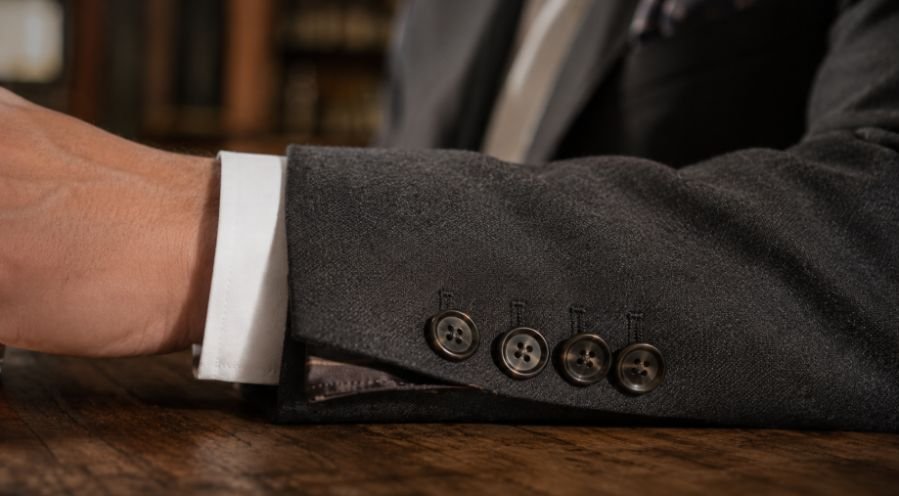
Traditional British tailoring favors neatly spaced parallel setups, while Italian styles showcase kissing buttons that lightly touch or waterfall buttons that slightly overlap down the wrist.
These minor layout variations hint at a handmade garment, introducing beautiful asymmetry that machine-made options simply cannot replicate.
Prestige of the Working Sleeve
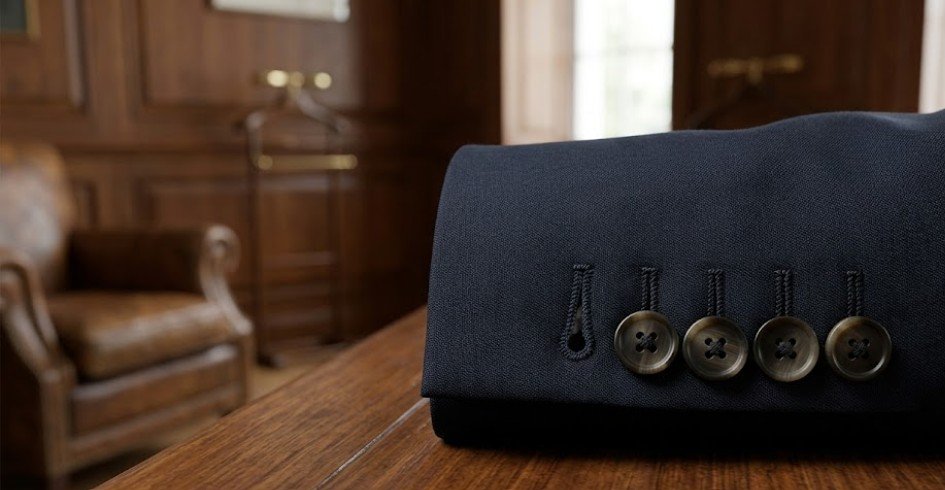
When you examine a high-quality jacket, the presence of operational slots indicates that the manufacturer did not cut corners during production. True sartorial enthusiasts look for these details because they require specialized machinery or painstaking hand-stitching to execute perfectly.
This subtle touch instantly elevates a standard coat into a luxury item that commands immediate respect in any room you enter.
Secret Sign of Premium Tailoring Quality
Investing in fine clothing requires a sharp eye for the production methods that differentiate cheap clothes as investment pieces. The presence of operational sleeve openings is widely regarded as an elite hallmark of high-end bespoke or custom-made suiting.
Because these elements require precise tailoring and additional labor hours, mass-production factories completely avoid them to maximize profit margins. When you notice these details on a jacket, it serves as immediate proof that the wearer values exceptional quality over fast-fashion trends.
The Role of Custom Clothiers Today
Reputable modern brands like SuitSupply or Indochino frequently offer functioning openings as a premium customizable add-on when ordering a made-to-measure suit. This accessibility allows contemporary gentlemen to experience the luxury of custom details without paying traditional Savile Row prices.
It bridges the gap between old-world heritage and modern convenience for the everyday professional.
Hand-Stitched Excellence Versus Machine Work
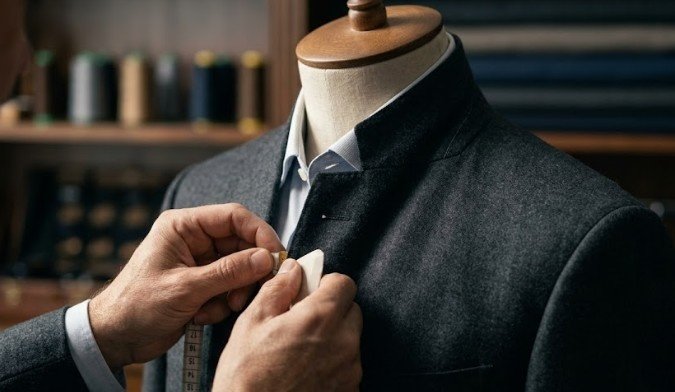
True luxury connoisseurs can easily spot the difference between a machine-cut opening and one crafted by hand. A hand-switched buttonhole features a slightly raised, irregular texture that tells a story of human craftsmanship and hours of focused dedication.
This minor imperfection is actually a badge of honor in the style community, proving that your garment was touched by an artisan.
Massive Alteration Trap Competitors Hide From You
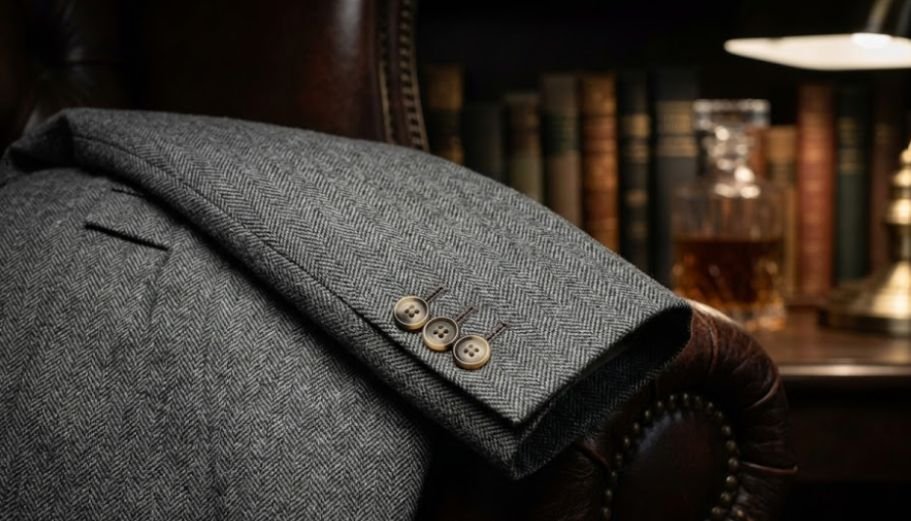
Investing in luxury menswear requires a sharp eye for the practical realities of garment maintenance and structural limitations. The single most critical piece of advice missing from standard fashion blogs is that real working buttonholes are an absolute nightmare to alter.
When a tailor cuts open the fabric to create operational openings, that window is permanently set into the wool weave. Attempting to shorten a sleeve that already features pre-cut openings forces a tailor to remove the entire sleeve from the shoulder.
The Point of No Return in Jacket Alterations
Once the fabric is sliced open by the tailor, the physical placement of those openings cannot be adjusted from the bottom line. If you attempt to shorten the sleeve from the wrist, you will end up cutting right through the existing holes, completely ruining the jacket.
This structural limitation means your initial measurements must be flawlessly accurate before any blades touch the textile.
The Extreme Cost of Aftermarket Tailoring
Modifying a jacket from the shoulder structure requires dismantling the sleevehead, shifting the armhole lining, and re-stitching the sleeve pitch perfectly. This incredibly delicate operation easily runs upward of two hundred dollars at a master tailor, quickly wiping out any savings you found on a discount purchase.
If you are shopping off-the-rack, it is always smarter to buy a jacket with unfinished sleeves, fit the length first, and then have the slots cut.
How to Wear Functional Cuffs on Suit Jackets Correctly
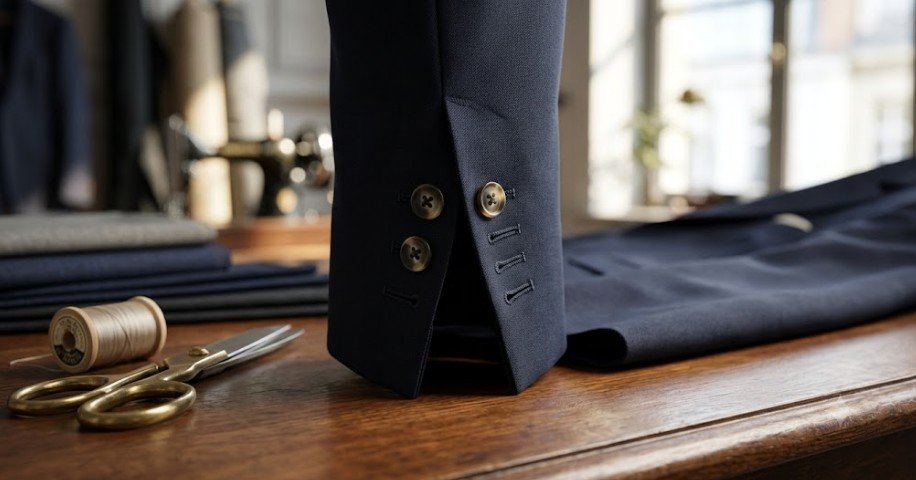
Stepping out into the city requires more than just wearing clothes; it demands an effortless attitude toward your presentation. To execute this look seamlessly, wear your jacket to a social gathering and unbutton only the final cuff closure nearest to your hand.
This single open slot acts as a subtle, silent handshake to fellow style enthusiasts, signaling that your garment is premium. Avoid the temptation to unbutton two or three loops, as opening too many looks flashy and desperate for attention.
Mastering Sprezzatura in Formal Settings
Pair this sleeve arrangement with a premium linen pocket square folded casually rather than perfectly straight to mirror that relaxed energy. Let your shirt cuff extend precisely a half-inch past the jacket wool to frame the unbuttoned slot naturally.
The goal is to make the luxury detail look like an accidental afterthought, embodying the true spirit of Italian style.
When to Keep Everything Buttoned Tight
While showing off your tailoring is fun, certain ultra-formal environments demand absolute adherence to traditional style rules. If you are attending a conservative black-tie gala, a corporate boardroom meeting, or a somber event, it is best to keep all your sleeve buttons fastened.
True elegance lies in knowing when to flash your style credentials and when to let quiet luxury speak for itself.
Frequently Asked Questions
1. What are the cuffs on suits called?
The working buttonholes on a jacket sleeve are traditionally called surgeon’s cuffs. This historic menswear term dates back to London tailors designing functional sleeves for nineteenth-century medical professionals who needed to roll up their sleeves.
2. What are functional buttons on a suit?
Functional buttons are actual sleeve closures accompanied by real, pre-cut buttonholes that can open and close. Unlike ornamental mock buttons on standard garments, they allow you to unbutton and roll back your jacket sleeves with ease.
3. Should cuffs show on a suit?
Yes, your dress shirt cuffs should ideally extend a quarter-inch to a half-inch past the end of your suit jacket sleeve. This clean line provides a visual frame for your hands and balances your overall physical proportions beautifully.
4. Are suits with cuffs in style?
Working sleeve buttons are a timeless element of premium tailoring and are never out of style. They represent structural quality and custom craftsmanship rather than a passing aesthetic trend in modern fashion circles.
Drop the Mic with Your New Sleeve Knowledge
Investing in a proper wardrobe is all about embracing the subtle accents that elevate your confidence. Securing functional cuffs on suit designs connects your personal wardrobe to centuries of tailoring heritage while adding an elite design language to your daily rotation.
Just ensure your sleeve length is perfect before committing to the cut, wear that open button with casual confidence, and let your exceptional style do the talking.