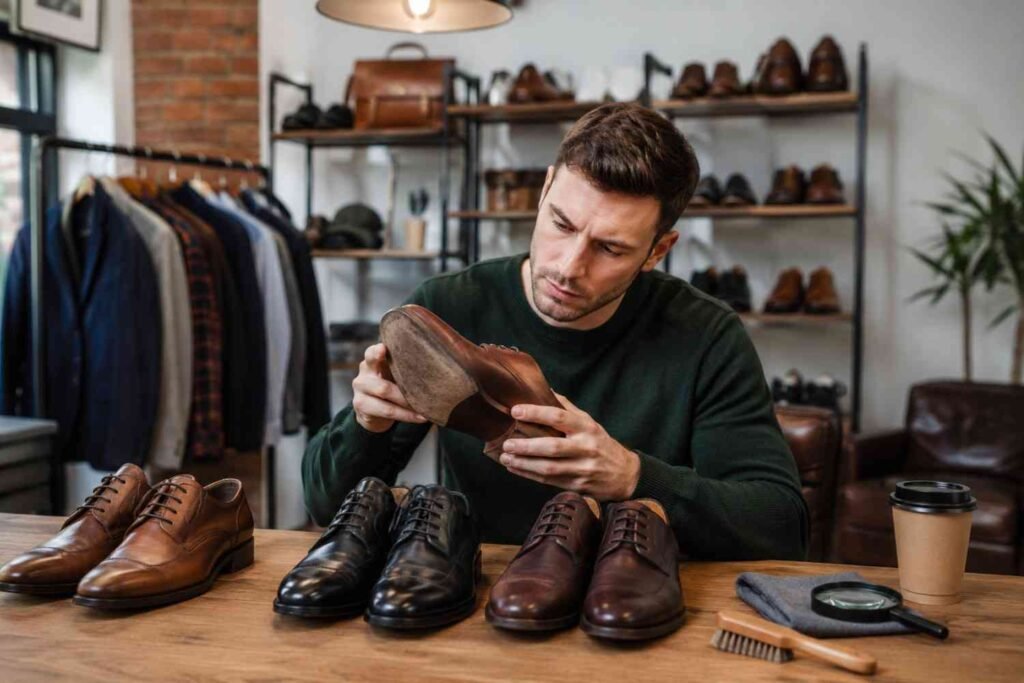
Buying resale shoes can save you a significant amount of money, but only if you know what you’re looking at. A pair might look almost new in photos, yet hide worn-out soles, damaged leather, or repairs that shorten its lifespan. On the other hand, a well-maintained pair with a few cosmetic marks can often outlast a brand-new budget alternative.
The difference comes down to inspection. Once you know how to judge the condition of resale shoes, you can separate genuine value from expensive mistakes. Instead of focusing only on appearance, learn to evaluate construction, materials, and wear patterns. That approach helps you buy shoes you’ll actually enjoy wearing for years.
Why Condition Matters More Than Age
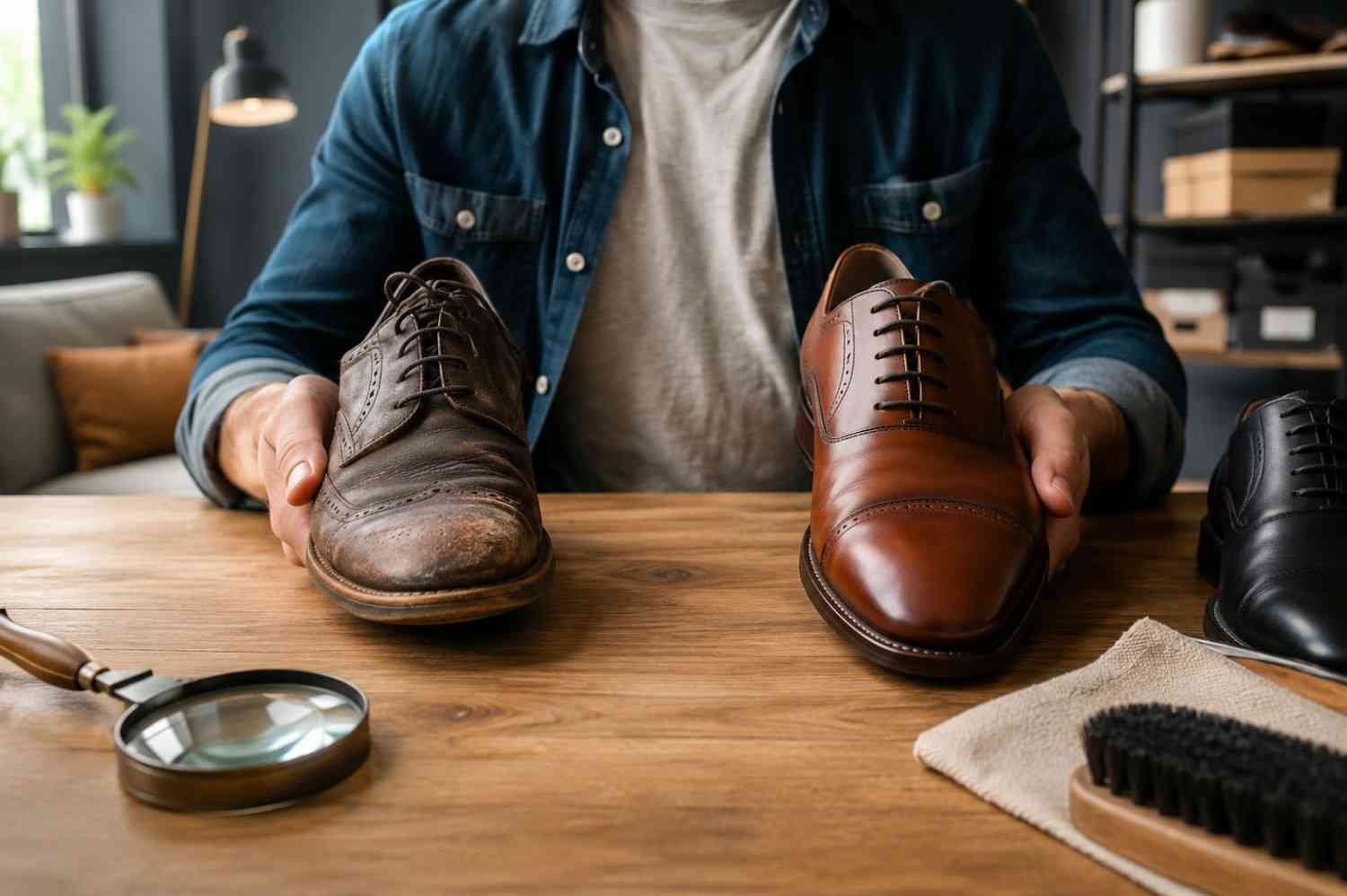
Many first-time buyers assume newer shoes are always the better choice. That’s rarely true, especially with quality leather footwear. A five-year-old pair that’s been stored properly with shoe trees and cleaned regularly can easily outperform a pair that’s only a year old but heavily worn.
Condition tells you how much life remains in the shoe. The outsole, upper leather, stitching, and interior all reveal how the previous owner cared for them. Looking at these details gives you a much clearer picture than the production date alone.
Start With the Outsole
The outsole is usually the easiest place to spot wear. Look closely at the heel and forefoot because these areas experience the most friction during walking.
Heel drag is one of the biggest warning signs. If one side of the heel has worn down significantly, the previous owner may have had an uneven walking pattern. Excessive heel wear can affect comfort and may require professional repair sooner than expected.
Also check the tread depth. Nearly smooth soles, uneven wear, or exposed stitching indicate the shoes are approaching the point where they’ll need a resole. For premium leather dress shoes with Goodyear welt construction, a professional resole is often worthwhile. Cemented shoes, however, are usually less economical to repair.
Inspect the Midsole Carefully
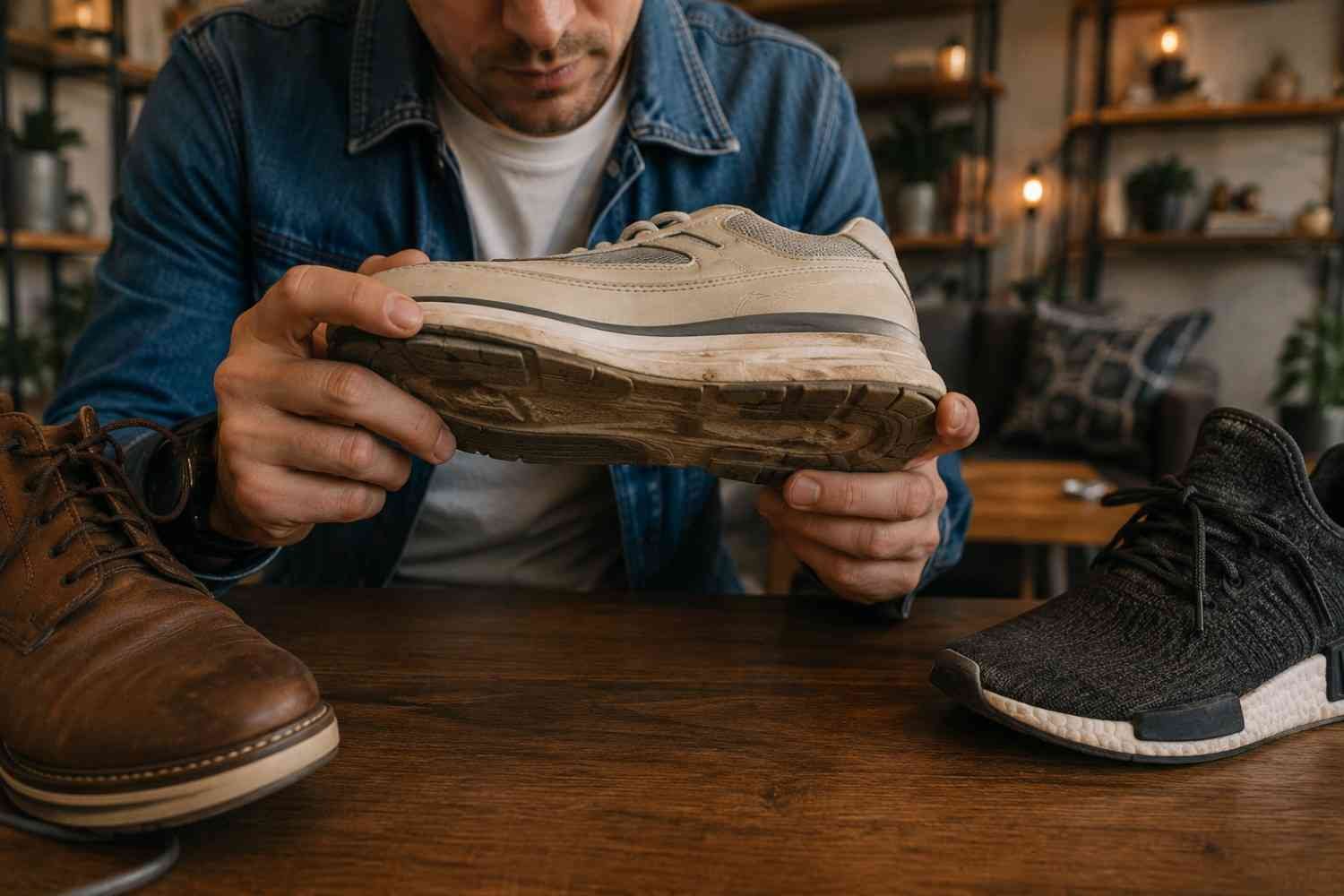
Many buyers overlook the midsole, but it’s one of the most important areas to inspect, especially when purchasing older shoes or sneakers.
Press gently along the midsole to see whether it still feels flexible. If the material feels unusually hard, brittle, or begins cracking, it may be suffering from dry rot. Vintage sneakers sometimes show cloudy air units or crumbling foam, both of which indicate irreversible deterioration.
Any visible separation between the upper and sole should also be examined carefully. Minor glue separation may be repairable, but widespread separation often points to structural failure.
Examine the Leather Upper
Leather naturally develops creases over time, so don’t let a few wrinkles discourage you. Normal creasing across the toe box simply shows the shoes have been worn.
The concern begins when those creases become deep cracks. Cracked leather loses flexibility and cannot be restored to its original condition. Likewise, deep cuts, gouges, or permanent stains reduce both appearance and durability.
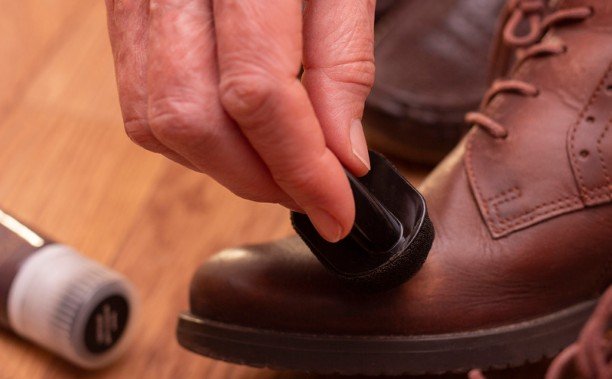
Light scuffs, faded edge dressing, and surface marks are usually cosmetic. A quality leather conditioner and polish can often improve them significantly, making these shoes a smart resale purchase.
Check the Stitching and Construction
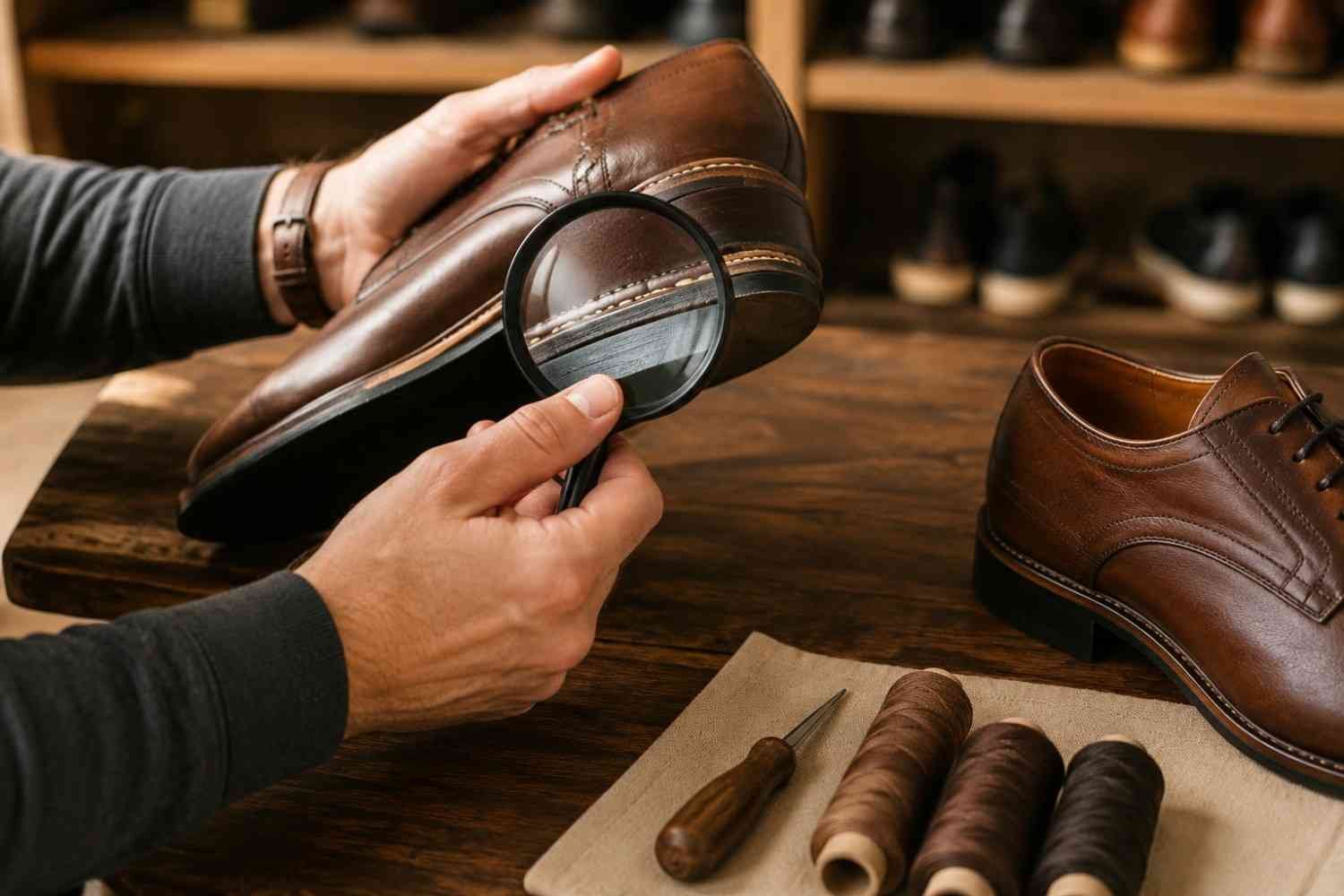
Strong stitching often says more about a shoe than its finish. Inspect the welt, seams, and areas where different pieces of leather meet.
Loose threads aren’t always a major problem, but missing stitches, separated welts, or uneven repairs deserve closer attention. High-quality construction methods like Goodyear welt and Blake stitch generally offer better long-term durability and easier repairs than cemented construction.
Knowing the construction also helps estimate future maintenance costs and overall cost-per-wear.
Don’t Ignore the Interior
The inside of the shoe often reveals more than the outside.
Check the heel lining first. Torn heel fabric usually indicates repeated friction caused by heel slippage. While replacement insoles are inexpensive, damaged lining typically requires professional repair.
Inspect the footbed for excessive compression, permanent foot impressions, or strong odors. Worn brand logos on the insole aren’t necessarily a concern, but they do indicate frequent use.
If possible, ask whether the original insoles, shoe bags, or box are included. Complete sets often suggest better overall care.
Look Beyond Seller Photos
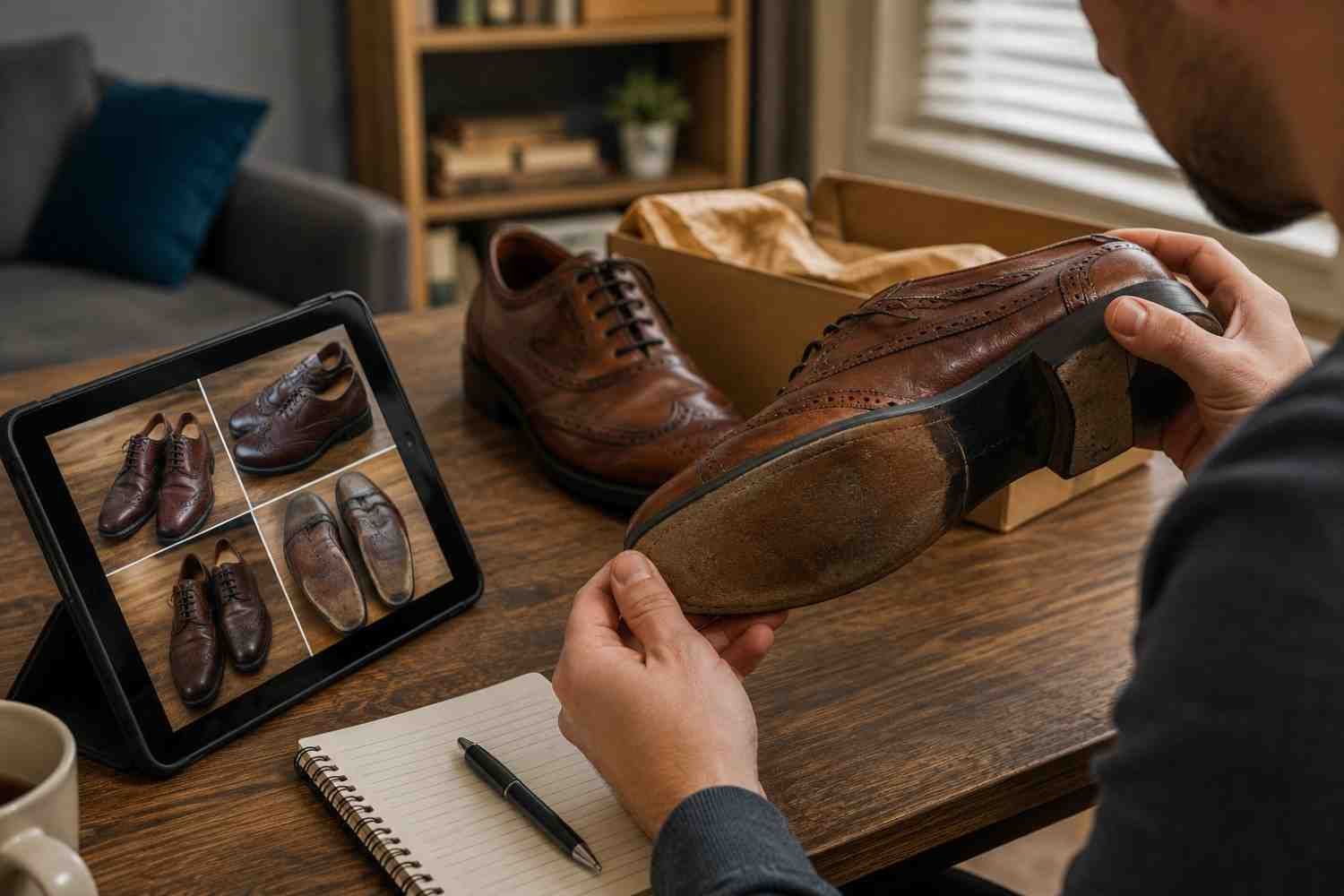
Shopping online requires extra attention because photos don’t always tell the complete story.
Request close-up images of the outsole, heel, toe box, interior lining, and stitching. Ask for photos taken in natural lighting instead of heavily edited images that can hide discoloration or scratches.
If a seller avoids showing certain angles or provides only stock images, consider it a warning sign. Reliable sellers are usually willing to answer questions and provide additional pictures.
Compare the Price With the True Cost
Finding a low price doesn’t automatically make a pair a bargain.
Start by comparing the exact model, size, and condition with current market prices on trusted resale platforms like StockX or GOAT. Many experienced buyers look for pre-owned shoes priced roughly 40% to 60% below the value of an equivalent deadstock pair.
Next, calculate restoration costs. Professional resoling, leather conditioning, replacement laces, or interior repairs all increase your total investment. Sometimes paying slightly more for a better-preserved pair costs less in the long run.
If you’re new to evaluating premium footwear, reading formal shoe buying tips before purchasing can also help you understand construction, fit, and long-term value.
Red Flags You Should Never Ignore
Some flaws are worth repairing, while others usually aren’t.
- Deep leather cracks, severe dry rot, mold, separated soles across large sections, or major structural damage are usually reasons to walk away.
- Light creasing, minor scuffs, worn laces, faded polish, or replaceable insoles are generally cosmetic issues that can often be restored at a reasonable cost.
Knowing the difference prevents expensive mistakes while helping you recognize genuinely good deals.
FAQs: How to Judge the Condition of Resale Shoes and Know If They’re Worth It
1. Should I avoid shoes with leather creases?
Not necessarily. Light creasing is normal and expected in quality leather shoes. The real concern is deep cracking, splitting, or dryness that weakens the leather and affects durability.
2. Is buying resoled shoes a bad idea?
No. A professionally resoled Goodyear welt shoe can still provide years of reliable wear. Always check that the repair was completed by a reputable cobbler and that the upper remains in good condition.
3. How can I tell if resale shoes are overpriced?
Compare the exact model, size, and condition with listings on trusted resale marketplaces. Then add any restoration costs to the asking price before deciding whether the purchase offers good value.
4. Can bad odors or worn insoles be fixed?
Worn insoles are usually easy to replace, and mild odors can often be treated with proper cleaning. However, persistent mold, severe odor, or damaged interior lining may indicate deeper issues that aren’t worth repairing.
A Good Purchase Starts With a Better Inspection
The best resale shoes aren’t always the ones that look flawless. They’re the pairs that still have strong construction, healthy leather, and plenty of life left after a careful inspection. Looking beyond cosmetic wear helps you spot quality footwear that delivers excellent value over time.
Once you know how to judge the condition of resale shoes, every purchase becomes less about luck and more about making an informed decision.